What is Summer Branch Drop?
Understanding the risks during hot, dry weather
As the UK experiences more frequent periods of prolonged heat and drought, trees are increasingly showing signs of environmental stress. One phenomenon that arboricultural professionals monitor closely during these conditions is summer branch drop: the sudden and often unexpected failure of large tree limbs from otherwise healthy-looking trees.
For landowners, facilities managers, schools, estates, local authorities and homeowners, understanding summer branch drop is becoming increasingly important as changing weather patterns place greater pressure on trees across the country.
What is Summer Branch Drop?
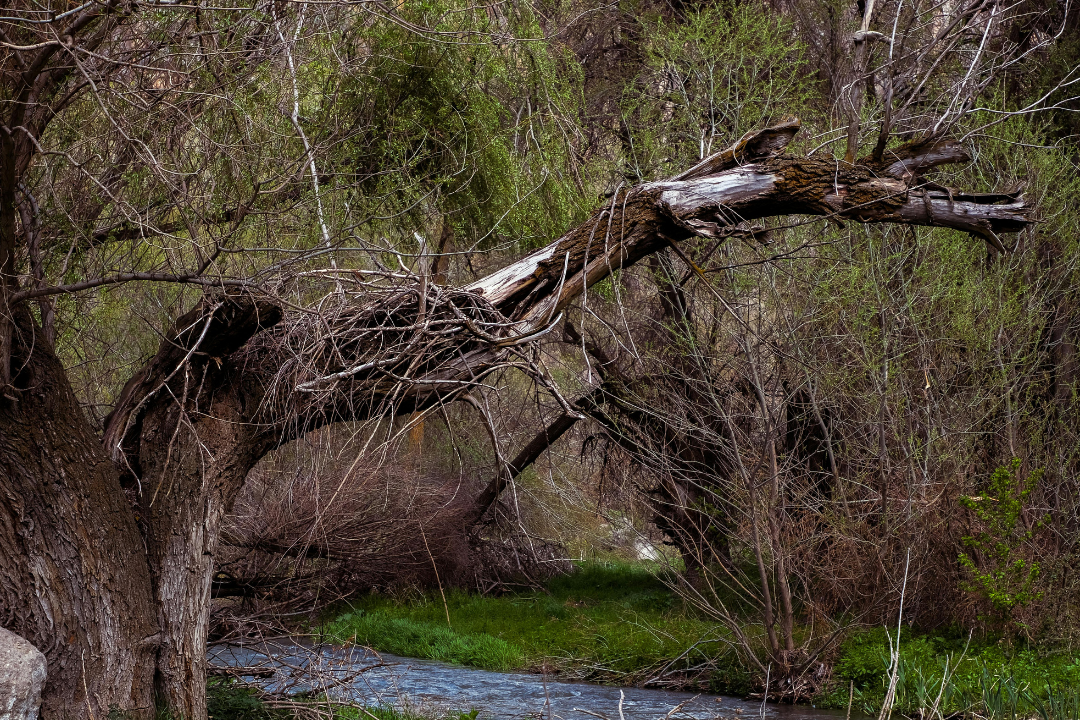
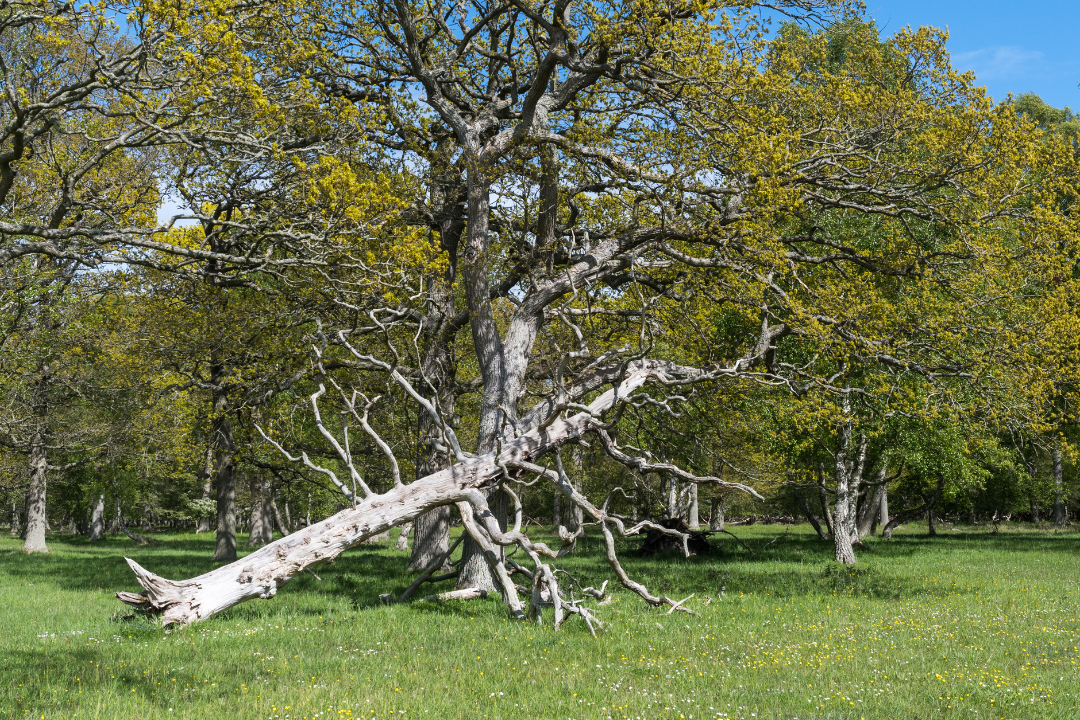
Summer branch drop refers to the unexpected shedding or failure of a substantial branch during warm weather, often when there are no obvious signs of disease, decay or structural weakness. Unlike branch failure caused by storms or strong winds, summer branch drop frequently occurs during periods of high temperatures, drought conditions and still air.
The phenomenon is most commonly associated with mature trees and can occur without warning, creating significant safety risks in areas where people, vehicles or buildings are located beneath tree canopies.
What causes Summer Branch Drop?
While the exact cause remains the subject of ongoing research and debate within the arboricultural industry, several factors are commonly believed to contribute:
- Drought stress, which affects the tree’s ability to transport water effectively.
- High temperatures, increasing moisture loss and placing additional strain on the tree.
- Extended periods of still air, which can create unique physiological conditions within the canopy.
These environmental pressures can cause large limbs to fail suddenly, even when a tree appears healthy from the outside.
What is Summer Branch Drop?
Understanding the risks during hot, dry weather
As the UK experiences more frequent periods of prolonged heat and drought, trees are increasingly showing signs of environmental stress. One phenomenon that arboricultural professionals monitor closely during these conditions is summer branch drop: the sudden and often unexpected failure of large tree limbs from otherwise healthy-looking trees.
For landowners, facilities managers, schools, estates, local authorities and homeowners, understanding summer branch drop is becoming increasingly important as changing weather patterns place greater pressure on trees across the country.
What is Summer Branch Drop?
Summer branch drop refers to the unexpected shedding or failure of a substantial branch during warm weather, often when there are no obvious signs of disease, decay or structural weakness. Unlike branch failure caused by storms or strong winds, summer branch drop frequently occurs during periods of high temperatures, drought conditions and still air.
The phenomenon is most commonly associated with mature trees and can occur without warning, creating significant safety risks in areas where people, vehicles or buildings are located beneath tree canopies.
What causes Summer Branch Drop?
While the exact cause remains the subject of ongoing research and debate within the arboricultural industry, several factors are commonly believed to contribute:
- Drought stress, which affects the tree’s ability to transport water effectively.
- High temperatures, increasing moisture loss and placing additional strain on the tree.
- Extended periods of still air, which can create unique physiological conditions within the canopy.
These environmental pressures can cause large limbs to fail suddenly, even when a tree appears healthy from the outside.
Signs of drought stress in trees
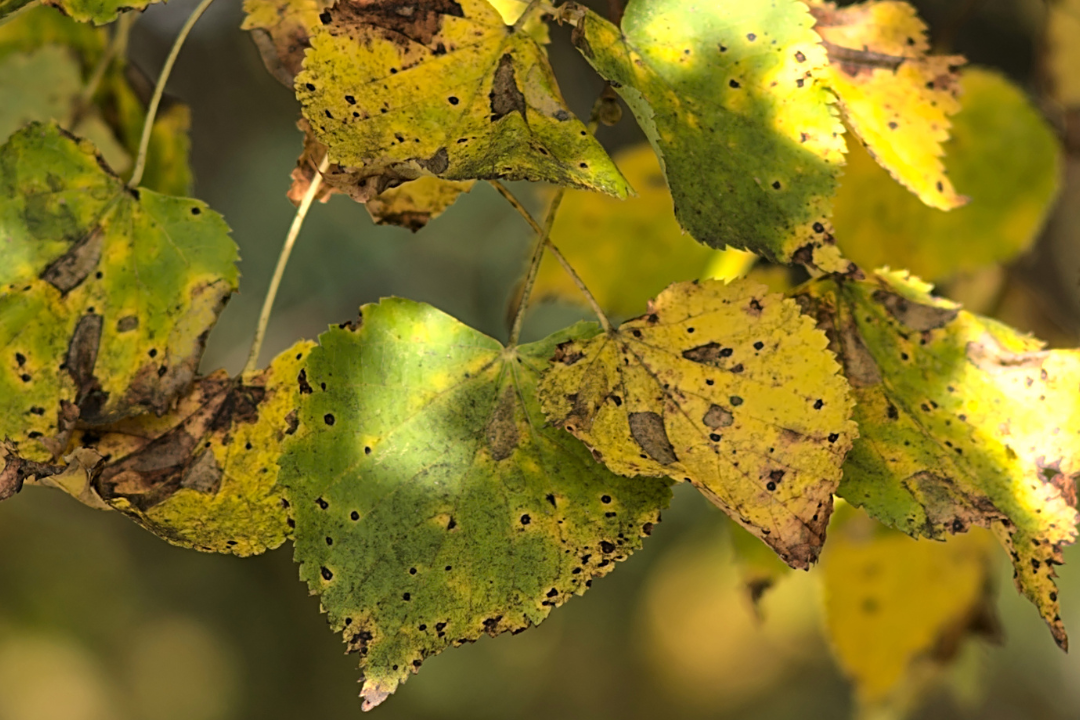
Although summer branch drop can be difficult to predict, trees experiencing drought stress often display warning signs that indicate they may require professional assessment.
Common symptoms include:
- Premature leaf drop
- Wilting or discoloured foliage
- Cracked, dry soils around the root zone
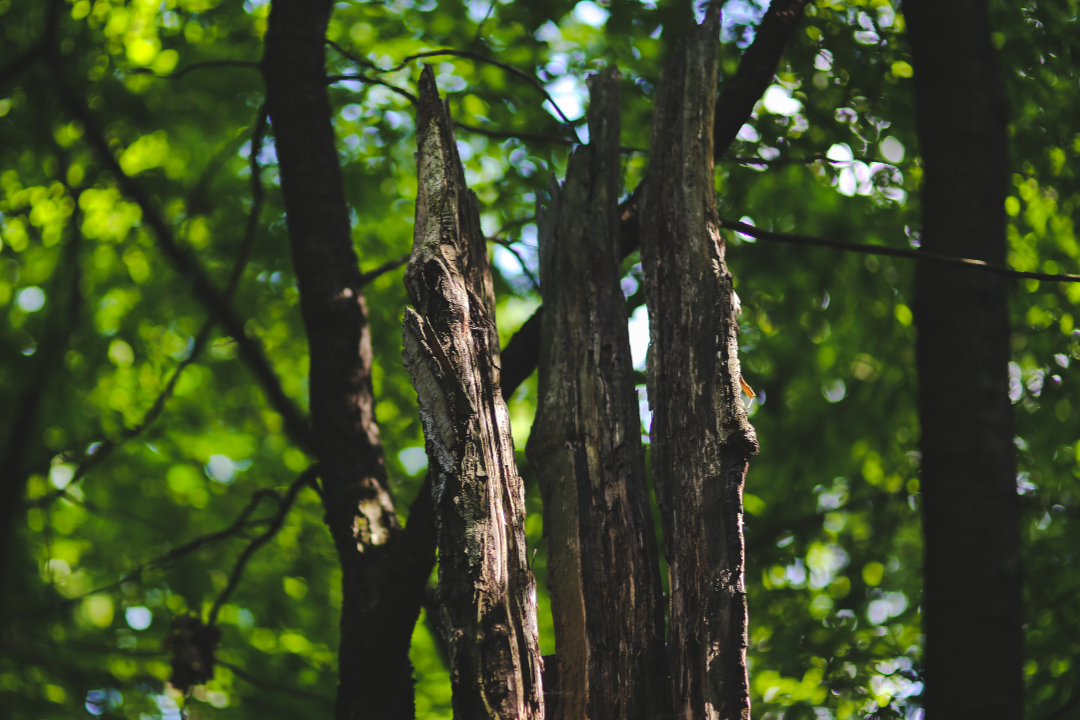
- Deadwood within the canopy
Monitoring trees for these symptoms can help identify potential issues before they become a significant risk.
Why Summer Branch Drop matters
The consequences of a falling branch can be serious. Large limbs can cause injury, disrupt public spaces, damage vehicles and buildings and create liability concerns for those responsible for tree management.
As the UK’s climate continues to bring more frequent periods of extreme weather, proactive tree management is becoming essential for maintaining both public safety and long-term tree health.
Organisations with significant tree stocks, including:
- Historic estates
- Commercial properties
- Schools and universities
- Public parks and open spaces
- Residential developments
- Private gardens
should consider regular inspections, particularly during periods of prolonged heat and drought.
Signs of drought stress in trees
Although summer branch drop can be difficult to predict, trees experiencing drought stress often display warning signs that indicate they may require professional assessment.
Common symptoms include:
- Premature leaf drop
- Wilting or discoloured foliage
- Cracked, dry soils around the root zone
- Deadwood within the canopy
Monitoring trees for these symptoms can help identify potential issues before they become a significant risk.
Why Summer Branch Drop matters
The consequences of a falling branch can be serious. Large limbs can cause injury, disrupt public spaces, damage vehicles and buildings and create liability concerns for those responsible for tree management.
As the UK’s climate continues to bring more frequent periods of extreme weather, proactive tree management is becoming essential for maintaining both public safety and long-term tree health.
Organisations with significant tree stocks, including:
- Historic estates
- Commercial properties
- Schools and universities
- Public parks and open spaces
- Residential developments
- Private gardens
should consider regular inspections, particularly during periods of prolonged heat and drought.
How professional arboricultural assessments can help
A qualified arboricultural assessment can help identify potential risks, evaluate tree condition and develop practical management strategies that balance safety requirements with the preservation of valuable tree assets.
At Nicholsons, our Arboriculture Team works with clients across a wide range of landscapes and property types to:
- Assess tree health and condition
- Identify potential risks associated with drought stress
- Recommend proportionate management measures
- Support long-term tree resilience and sustainability
Early intervention can help reduce risk while allowing trees to continue delivering the environmental, aesthetic and wellbeing benefits they provide.
Need advice on tree safety?
If you’re responsible for trees on an estate, commercial property, school, public space or private land, now is an ideal time to review their condition and consider a professional assessment. With hotter, drier summers becoming increasingly common, proactive management is key to protecting both people and landscapes.
Contact Nicholsons’ Arboriculture Team today to discuss a tree health assessment and management plan tailored to your site.
How professional arboricultural assessments can help
A qualified arboricultural assessment can help identify potential risks, evaluate tree condition and develop practical management strategies that balance safety requirements with the preservation of valuable tree assets.
At Nicholsons, our Arboriculture Team works with clients across a wide range of landscapes and property types to:
- Assess tree health and condition
- Identify potential risks associated with drought stress
- Recommend proportionate management measures
- Support long-term tree resilience and sustainability
Early intervention can help reduce risk while allowing trees to continue delivering the environmental, aesthetic and wellbeing benefits they provide.
Need advice on tree safety?
If you’re responsible for trees on an estate, commercial property, school, public space or private land, now is an ideal time to review their condition and consider a professional assessment. With hotter, drier summers becoming increasingly common, proactive management is key to protecting both people and landscapes.
Contact Nicholsons’ Arboriculture Team today to discuss a tree health assessment and management plan tailored to your site.
Explore our arboricultural services
Need expert guidance on managing summer branch drop or assessing your trees? Our arboriculture team can help you make informed, practical decisions for your landscape.
Explore our woodland management services
From summer branch drop response to long-term woodland stewardship, we help clients manage and enhance woodlands with a practical, sustainable approach.

Explore our arboricultural services
Need expert guidance on managing summer branch drop or assessing your trees? Our arboriculture team can help you make informed, practical decisions for your landscape.
Explore our woodland management services
From summer branch drop response to long-term woodland stewardship, we help clients manage and enhance woodlands with a practical, sustainable approach.