Climate-resilient planting: why collaboration is key to future-proof landscapes
As drought conditions become more common across the UK, climate-resilient planting is no longer optional. It is essential for creating landscapes that can adapt, survive and thrive in a changing climate.
This summer’s drought has brought climate resilience into sharp focus. Across England, landscapes are under increasing pressure. Newly planted trees are struggling to establish, water resources are stretched and gardens, parks, woodlands and wildlife habitats are showing visible signs of stress.
What was once considered an exceptional weather event is becoming part of our new reality.
For landscape architects, garden designers, ecologists, developers, landowners and estate managers, the question is no longer whether the climate is changing. The real challenge is how we respond.
At Nicholsons, we believe that climate-resilient planting is about much more than selecting drought-tolerant plants. It requires a holistic approach that combines landscape design, ecology, arboriculture, forestry, construction and long-term stewardship.
What is climate-resilient planting?
Climate-resilient planting is the practice of designing and establishing landscapes that can adapt to changing environmental conditions, including drought, extreme rainfall, temperature fluctuations, pests and disease.
Successful climate-resilient landscapes:
- Use the right plants for the right place
- Improve soil health and water retention
- Increase biodiversity
- Support wildlife and ecosystem services
- Reduce long-term maintenance requirements
- Adapt to future climate conditions
Rather than fighting against natural processes, climate-resilient planting works with them.
Understanding site conditions is the foundation of resilient design
Every successful landscape starts with a thorough understanding of place.
Before selecting a single tree, shrub or perennial, it is essential to consider:
- Soil type and structure
- Drainage and hydrology
- Local microclimate
- Exposure to wind and sun
- Biodiversity value
- Existing habitats and ecological connectivity
Landscapes designed in response to local conditions perform better over time because they require fewer inputs and are naturally better suited to environmental pressures.
By working with the characteristics of a site, rather than imposing solutions upon it, we can create landscapes that are more sustainable, biodiverse and climate resilient.
Climate-resilient planting: why collaboration is key to future-proof landscapes
As drought conditions become more common across the UK, climate-resilient planting is no longer optional. It is essential for creating landscapes that can adapt, survive and thrive in a changing climate.
This summer’s drought has brought climate resilience into sharp focus. Across England, landscapes are under increasing pressure. Newly planted trees are struggling to establish, water resources are stretched and gardens, parks, woodlands and wildlife habitats are showing visible signs of stress.
What was once considered an exceptional weather event is becoming part of our new reality.
For landscape architects, garden designers, ecologists, developers, landowners and estate managers, the question is no longer whether the climate is changing. The real challenge is how we respond.
At Nicholsons, we believe that climate-resilient planting is about much more than selecting drought-tolerant plants. It requires a holistic approach that combines landscape design, ecology, arboriculture, forestry, construction and long-term stewardship.
What is climate-resilient planting?
Climate-resilient planting is the practice of designing and establishing landscapes that can adapt to changing environmental conditions, including drought, extreme rainfall, temperature fluctuations, pests and disease.
Successful climate-resilient landscapes:
- Use the right plants for the right place
- Improve soil health and water retention
- Increase biodiversity
- Support wildlife and ecosystem services
- Reduce long-term maintenance requirements
- Adapt to future climate conditions
Rather than fighting against natural processes, climate-resilient planting works with them.
Understanding site conditions is the foundation of resilient design
Every successful landscape starts with a thorough understanding of place.
Before selecting a single tree, shrub or perennial, it is essential to consider:
- Soil type and structure
- Drainage and hydrology
- Local microclimate
- Exposure to wind and sun
- Biodiversity value
- Existing habitats and ecological connectivity
Landscapes designed in response to local conditions perform better over time because they require fewer inputs and are naturally better suited to environmental pressures.
By working with the characteristics of a site, rather than imposing solutions upon it, we can create landscapes that are more sustainable, biodiverse and climate resilient.

Why plant diversity matters in climate change adaptation
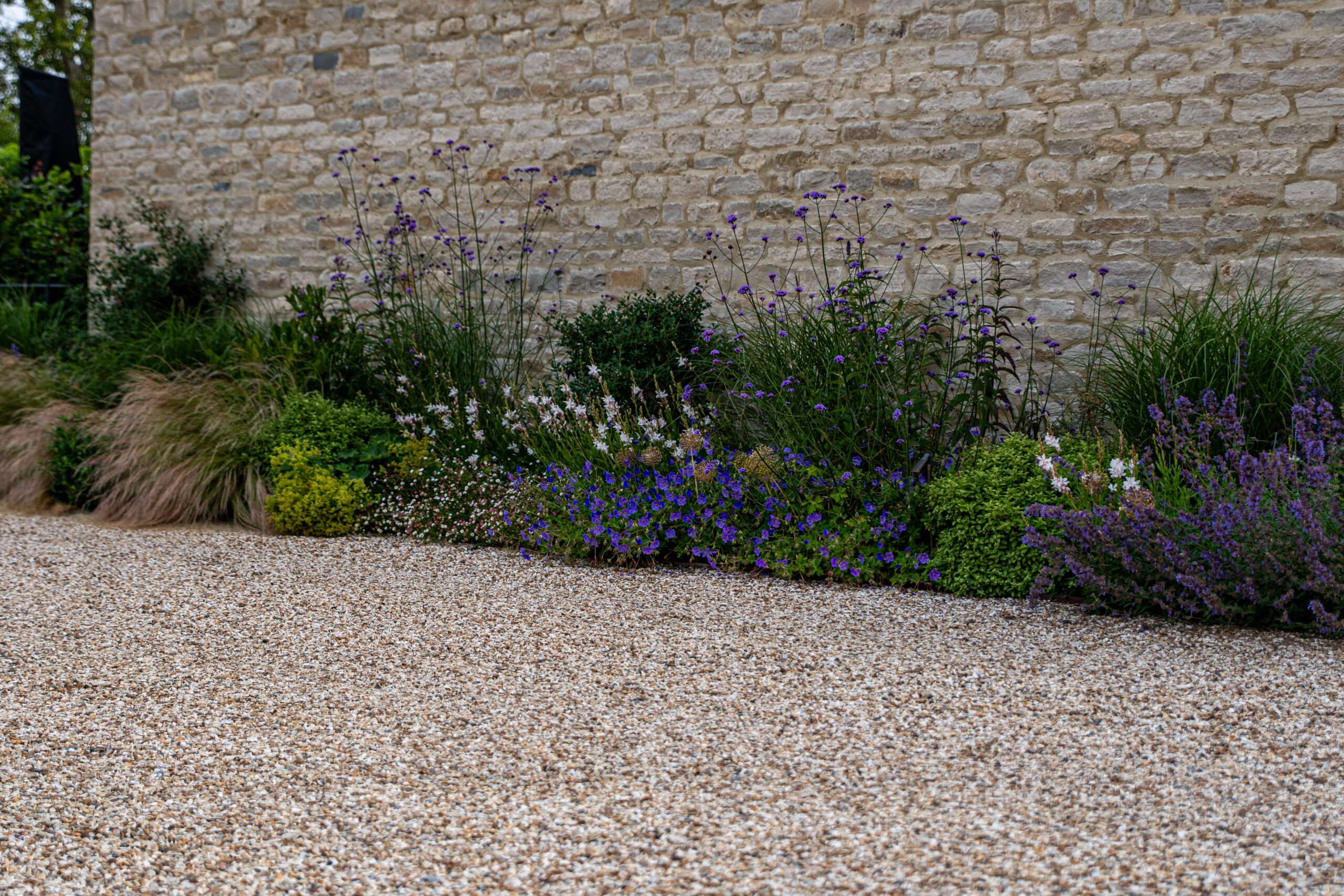
One of the most effective ways to improve resilience is through diversity.
Whether establishing a woodland, restoring habitat, designing a public realm project or creating a private garden, relying on a narrow palette of species increases vulnerability to environmental change.
Diverse landscapes are better able to:
- Recover from drought and extreme weather events
- Resist pests and diseases
- Support pollinators and wildlife
- Adapt to changing climatic conditions
- Deliver a wider range of ecosystem services
A diverse planting strategy spreads risk and creates landscapes that are more robust over the long term.
Climate resilience depends on more than plant selection
While plant choice is important, resilience is influenced by many interconnected factors.
Healthy soils, effective water management and ongoing landscape management are becoming just as critical as the species selected at planting stage.
Key considerations include:
Soil health
Healthy soils improve water infiltration, nutrient cycling and root development while increasing drought tolerance.
Sustainable water management
Rainwater harvesting, swales, attenuation features and sustainable drainage systems (SuDS) help landscapes cope with both drought and intense rainfall.
Long-term stewardship
Resilient landscapes require ongoing management and monitoring to ensure they continue to adapt and mature successfully.
Every landscape should be viewed as part of a wider ecosystem, where soil biology, water movement and habitat connectivity all contribute to long-term success.
Why plant diversity matters in climate change adaptation
One of the most effective ways to improve resilience is through diversity.
Whether establishing a woodland, restoring habitat, designing a public realm project or creating a private garden, relying on a narrow palette of species increases vulnerability to environmental change.
Diverse landscapes are better able to:
- Recover from drought and extreme weather events
- Resist pests and diseases
- Support pollinators and wildlife
- Adapt to changing climatic conditions
- Deliver a wider range of ecosystem services
A diverse planting strategy spreads risk and creates landscapes that are more robust over the long term.
Climate resilience depends on more than plant selection
While plant choice is important, resilience is influenced by many interconnected factors.
Healthy soils, effective water management and ongoing landscape management are becoming just as critical as the species selected at planting stage.
Key considerations include:
Soil health
Healthy soils improve water infiltration, nutrient cycling and root development while increasing drought tolerance.
Sustainable water management
Rainwater harvesting, swales, attenuation features and sustainable drainage systems (SuDS) help landscapes cope with both drought and intense rainfall.
Long-term stewardship
Resilient landscapes require ongoing management and monitoring to ensure they continue to adapt and mature successfully.
Every landscape should be viewed as part of a wider ecosystem, where soil biology, water movement and habitat connectivity all contribute to long-term success.
Why collaboration is essential for climate-resilient landscapes
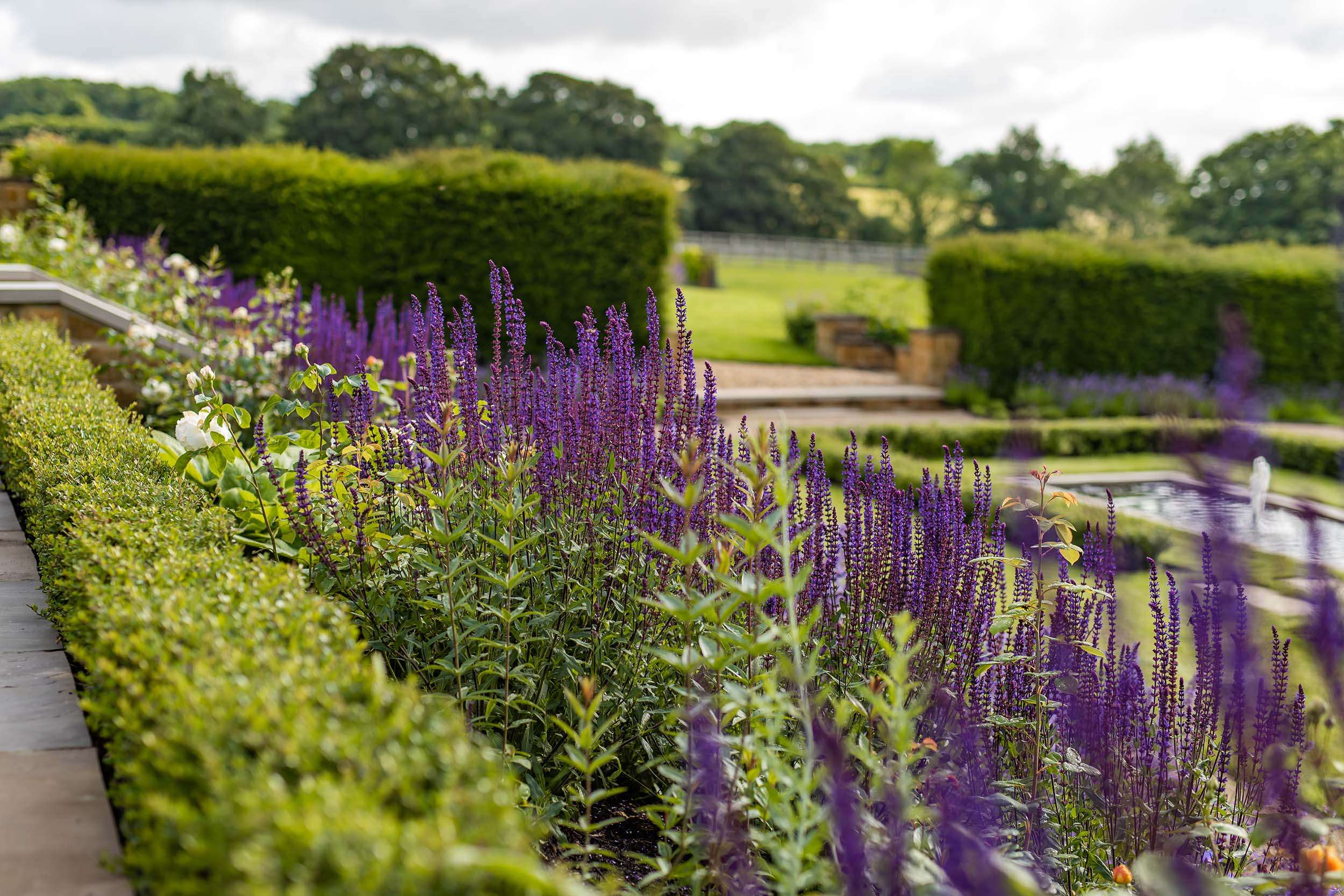
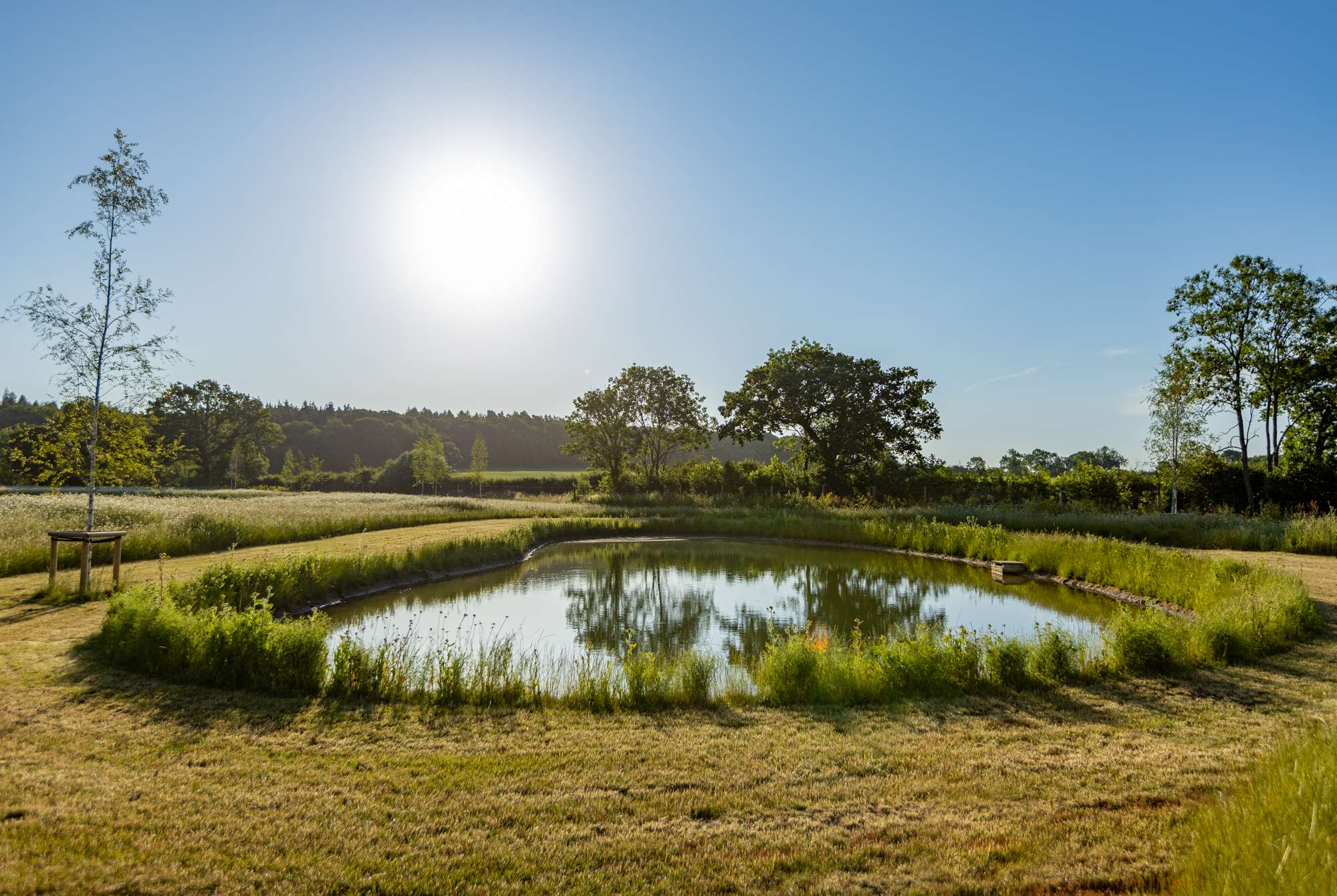
The landscapes of the future cannot be delivered by a single discipline working in isolation.
Climate resilience requires collaboration from the earliest stages of planning and design through to construction and long-term management.
Different specialists contribute unique expertise:
- Ecologists assess habitats, biodiversity and ecosystem function.
- Landscape architects and designers create spaces that balance environmental performance with human experience.
- Foresters and arboriculturists provide expertise in tree selection, establishment and long-term resilience.
- Contractors translate strategy and design into successful implementation.
- Landscape managers ensure landscapes continue to evolve and flourish after completion.
When these disciplines work together, projects are more likely to deliver lasting environmental, social and economic value.
Supporting better decision-making with elemental
At Nicholsons, integrated thinking has always been at the heart of our approach.
This philosophy led to the development of elemental, the green design tool, which helps evaluate the wider impact of landscape proposals.
Originally developed to support designers, elemental is now being adopted more widely across the industry to inform decisions around:
- Sustainability
- Biodiversity enhancement
- Climate resilience
- Natural capital
- Landscape performance
- Long-term place-making
As environmental challenges become increasingly complex, frameworks such as elemental provide a valuable way to bring multiple disciplines together around a shared vision.
The future of climate-resilient planting
Climate resilience is one of the defining challenges and opportunities facing the landscape sector today.
The landscapes we plant now will mature in a climate that may look very different from the one we experience today. By taking a long-term view and combining expertise across disciplines, we can create places that are adaptable, regenerative and fit for the future.
The solution to climate change will not be found in a single plant species or a single profession.
It will be found through collaboration, knowledge-sharing and responsible stewardship.
At Nicholsons, we are committed to helping clients create resilient landscapes that support biodiversity, improve wellbeing, enhance natural capital and deliver lasting value for generations to come.
Why collaboration is essential for climate-resilient landscapes
The landscapes of the future cannot be delivered by a single discipline working in isolation.
Climate resilience requires collaboration from the earliest stages of planning and design through to construction and long-term management.
Different specialists contribute unique expertise:
- Ecologists assess habitats, biodiversity and ecosystem function.
- Landscape architects and designers create spaces that balance environmental performance with human experience.
- Foresters and arboriculturists provide expertise in tree selection, establishment and long-term resilience.
- Contractors translate strategy and design into successful implementation.
- Landscape managers ensure landscapes continue to evolve and flourish after completion.
When these disciplines work together, projects are more likely to deliver lasting environmental, social and economic value.
Supporting better decision-making with elemental
At Nicholsons, integrated thinking has always been at the heart of our approach.
This philosophy led to the development of elemental, the green design tool, which helps evaluate the wider impact of landscape proposals.
Originally developed to support designers, elemental is now being adopted more widely across the industry to inform decisions around:
- Sustainability
- Biodiversity enhancement
- Climate resilience
- Natural capital
- Landscape performance
- Long-term place-making
As environmental challenges become increasingly complex, frameworks such as elemental provide a valuable way to bring multiple disciplines together around a shared vision.
The future of climate-resilient planting
Climate resilience is one of the defining challenges and opportunities facing the landscape sector today.
The landscapes we plant now will mature in a climate that may look very different from the one we experience today. By taking a long-term view and combining expertise across disciplines, we can create places that are adaptable, regenerative and fit for the future.
The solution to climate change will not be found in a single plant species or a single profession.
It will be found through collaboration, knowledge-sharing and responsible stewardship.
At Nicholsons, we are committed to helping clients create resilient landscapes that support biodiversity, improve wellbeing, enhance natural capital and deliver lasting value for generations to come.
Looking to create a more climate-resilient landscape?
Explore our landscape services
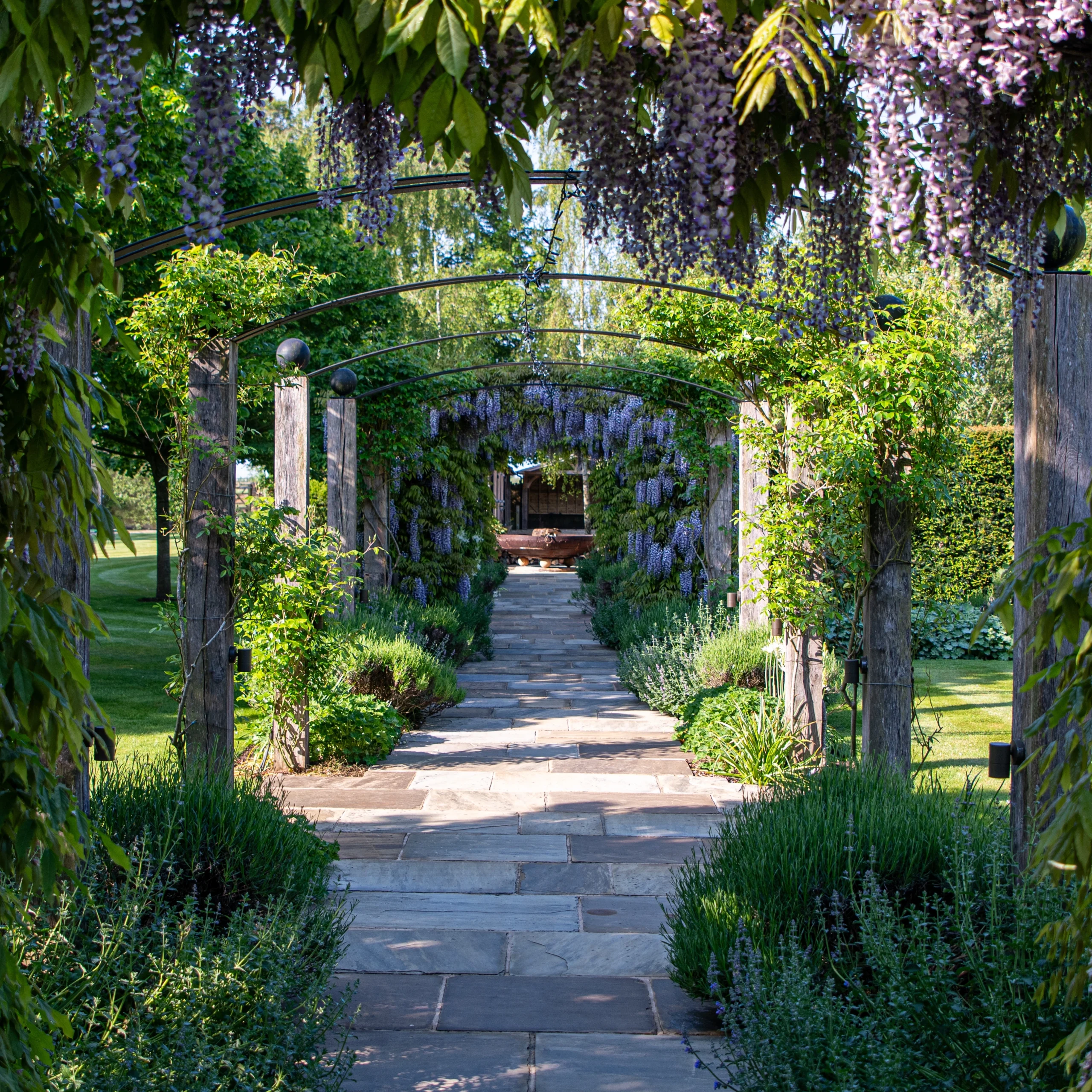
Whether you’re developing a private garden, estate, public realm project or habitat restoration scheme, Nicholsons provides integrated landscape solutions tailored to your site’s unique needs.
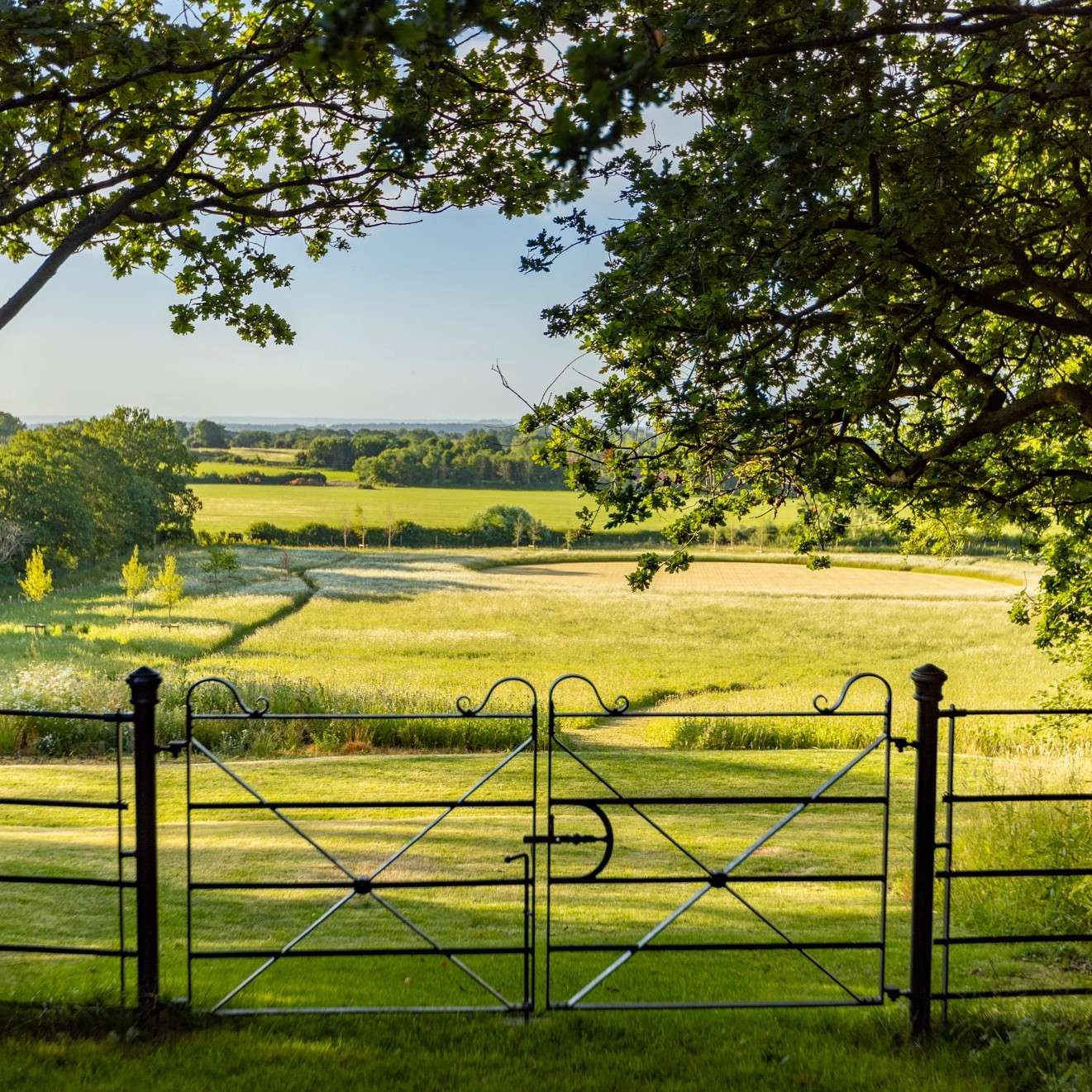
Looking to create a more climate-resilient landscape?
Explore our landscape services
Whether you’re developing a private garden, estate, public realm project or habitat restoration scheme, Nicholsons provides integrated landscape solutions tailored to your site’s unique needs.