Climate-Resilient Woodlands: How to Plant and Manage Forests for the Next Century
As climate change reshapes the British landscape, woodland owners face a critical challenge: how do you create woodlands today that will remain healthy, productive and resilient for generations to come?
Forestry has always required long-term thinking. Unlike most land management decisions, trees planted today may not reach full maturity until the next century. This makes climate resilience one of the most important considerations in modern woodland creation and forestry management.
Why Climate Resilience Matters in Forestry
Historically, British forestry focused primarily on timber production. Following the First World War, concerns over timber security led to large-scale planting programmes, with productive conifer species such as Sitka spruce playing a central role.
Today, woodland creation delivers far more than timber alone. New woodlands are increasingly designed to provide:
- Biodiversity enhancement
- Carbon sequestration and carbon storage
- Natural flood management
- Improved water quality
- Wildlife habitat creation
- Recreation and public access opportunities
- Sustainable timber production
However, climate change is placing growing pressure on many tree species traditionally used in UK forestry.
Climate-Resilient Woodlands: How to Plant and Manage Forests for the Next Century
As climate change reshapes the British landscape, woodland owners face a critical challenge: how do you create woodlands today that will remain healthy, productive and resilient for generations to come?
Forestry has always required long-term thinking. Unlike most land management decisions, trees planted today may not reach full maturity until the next century. This makes climate resilience one of the most important considerations in modern woodland creation and forestry management.
Why Climate Resilience Matters in Forestry
Historically, British forestry focused primarily on timber production. Following the First World War, concerns over timber security led to large-scale planting programmes, with productive conifer species such as Sitka spruce playing a central role.
Today, woodland creation delivers far more than timber alone. New woodlands are increasingly designed to provide:
- Biodiversity enhancement
- Carbon sequestration and carbon storage
- Natural flood management
- Improved water quality
- Wildlife habitat creation
- Recreation and public access opportunities
- Sustainable timber production
However, climate change is placing growing pressure on many tree species traditionally used in UK forestry.
How Is Climate Change Affecting British Woodlands?
Forests across the UK face an increasing range of environmental threats, including:
- Rising temperatures
- Longer periods of drought
- More frequent extreme weather events
- Increased pest and disease pressures
- Changing soil and moisture conditions
The impact can already be seen through challenges such as ash dieback, spruce bark beetle outbreaks, Phytophthora diseases and grey squirrel damage.
These pressures highlight the need for woodland design that can adapt to changing environmental conditions over the long term.
What Makes a Woodland Climate Resilient?
A climate-resilient woodland is designed to withstand environmental change while continuing to deliver ecological, commercial and social benefits.
Key principles include:
Species Diversity
Relying on a single species can leave woodlands vulnerable to pests, diseases and climatic extremes. Mixed-species woodlands often provide greater resilience and adaptability.
Genetic Diversity and Provenance
Selecting appropriate seed sources and planting stock can improve a woodland’s ability to adapt to future conditions. Provenance choices are becoming increasingly important as the climate changes.
Structural Diversity
Woodlands containing a mix of ages, species and canopy structures are typically better equipped to recover from disturbance events such as storms, drought or disease outbreaks.
Long-Term Woodland Planning
Forestry decisions made today must consider future climate scenarios as well as current site conditions. Modern climate modelling tools can support woodland owners in making informed planting and management decisions.
How Is Climate Change Affecting British Woodlands?
Forests across the UK face an increasing range of environmental threats, including:
- Rising temperatures
- Longer periods of drought
- More frequent extreme weather events
- Increased pest and disease pressures
- Changing soil and moisture conditions
The impact can already be seen through challenges such as ash dieback, spruce bark beetle outbreaks, Phytophthora diseases and grey squirrel damage.
These pressures highlight the need for woodland design that can adapt to changing environmental conditions over the long term.
What Makes a Woodland Climate Resilient?
A climate-resilient woodland is designed to withstand environmental change while continuing to deliver ecological, commercial and social benefits.
Key principles include:
Species Diversity
Relying on a single species can leave woodlands vulnerable to pests, diseases and climatic extremes. Mixed-species woodlands often provide greater resilience and adaptability.
Genetic Diversity and Provenance
Selecting appropriate seed sources and planting stock can improve a woodland’s ability to adapt to future conditions. Provenance choices are becoming increasingly important as the climate changes.
Structural Diversity
Woodlands containing a mix of ages, species and canopy structures are typically better equipped to recover from disturbance events such as storms, drought or disease outbreaks.
Long-Term Woodland Planning
Forestry decisions made today must consider future climate scenarios as well as current site conditions. Modern climate modelling tools can support woodland owners in making informed planting and management decisions.
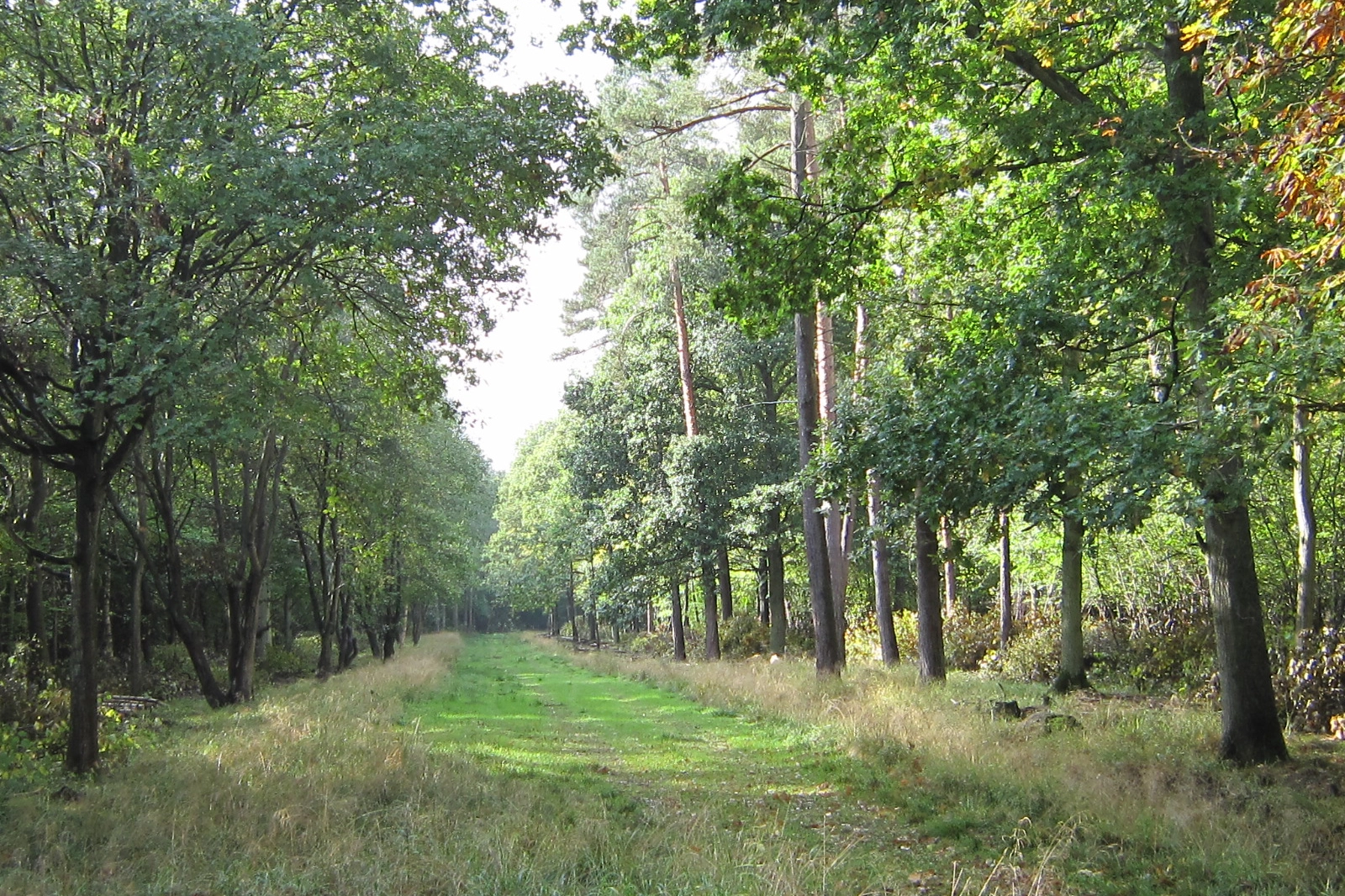
Should Forestry Prioritise Climate Resilience or Timber Production?
The two objectives are not mutually exclusive.
Climate-resilient forestry does not mean abandoning productive timber production. In fact, sustainable timber production depends on healthy, adaptable forests capable of thriving despite changing environmental conditions.
Whether managing commercial forests, native woodlands or mixed landscapes, resilience should be incorporated from the earliest stages of woodland design. This helps protect long-term productivity while supporting wider environmental outcomes.
Planning Woodlands for Future Generations
Forestry remains one of the few professions where decisions routinely span multiple generations. A woodland established in 2026 could still be standing in 2126 and beyond.
As future climates become less predictable, successful woodland creation requires balancing today’s needs with tomorrow’s challenges. By selecting appropriate species, increasing diversity and taking a long-term management approach, landowners can create woodlands that continue to provide value for people, nature and the wider environment.
Ultimately, forestry is about stewardship. Every generation inherits woodlands from those who planted before them and has a responsibility to leave them stronger, healthier and more resilient for those who follow.
Should Forestry Prioritise Climate Resilience or Timber Production?
The two objectives are not mutually exclusive.
Climate-resilient forestry does not mean abandoning productive timber production. In fact, sustainable timber production depends on healthy, adaptable forests capable of thriving despite changing environmental conditions.
Whether managing commercial forests, native woodlands or mixed landscapes, resilience should be incorporated from the earliest stages of woodland design. This helps protect long-term productivity while supporting wider environmental outcomes.
Planning Woodlands for Future Generations
Forestry remains one of the few professions where decisions routinely span multiple generations. A woodland established in 2026 could still be standing in 2126 and beyond.
As future climates become less predictable, successful woodland creation requires balancing today’s needs with tomorrow’s challenges. By selecting appropriate species, increasing diversity and taking a long-term management approach, landowners can create woodlands that continue to provide value for people, nature and the wider environment.
Ultimately, forestry is about stewardship. Every generation inherits woodlands from those who planted before them and has a responsibility to leave them stronger, healthier and more resilient for those who follow.
Planning a Climate-Resilient Woodland?
Whether you’re considering new woodland creation, restructuring an existing woodland or developing a long-term forestry strategy, the Nicholsons Forestry Team can help. Our experts provide tailored advice on species selection, woodland design, grant funding and sustainable woodland management.
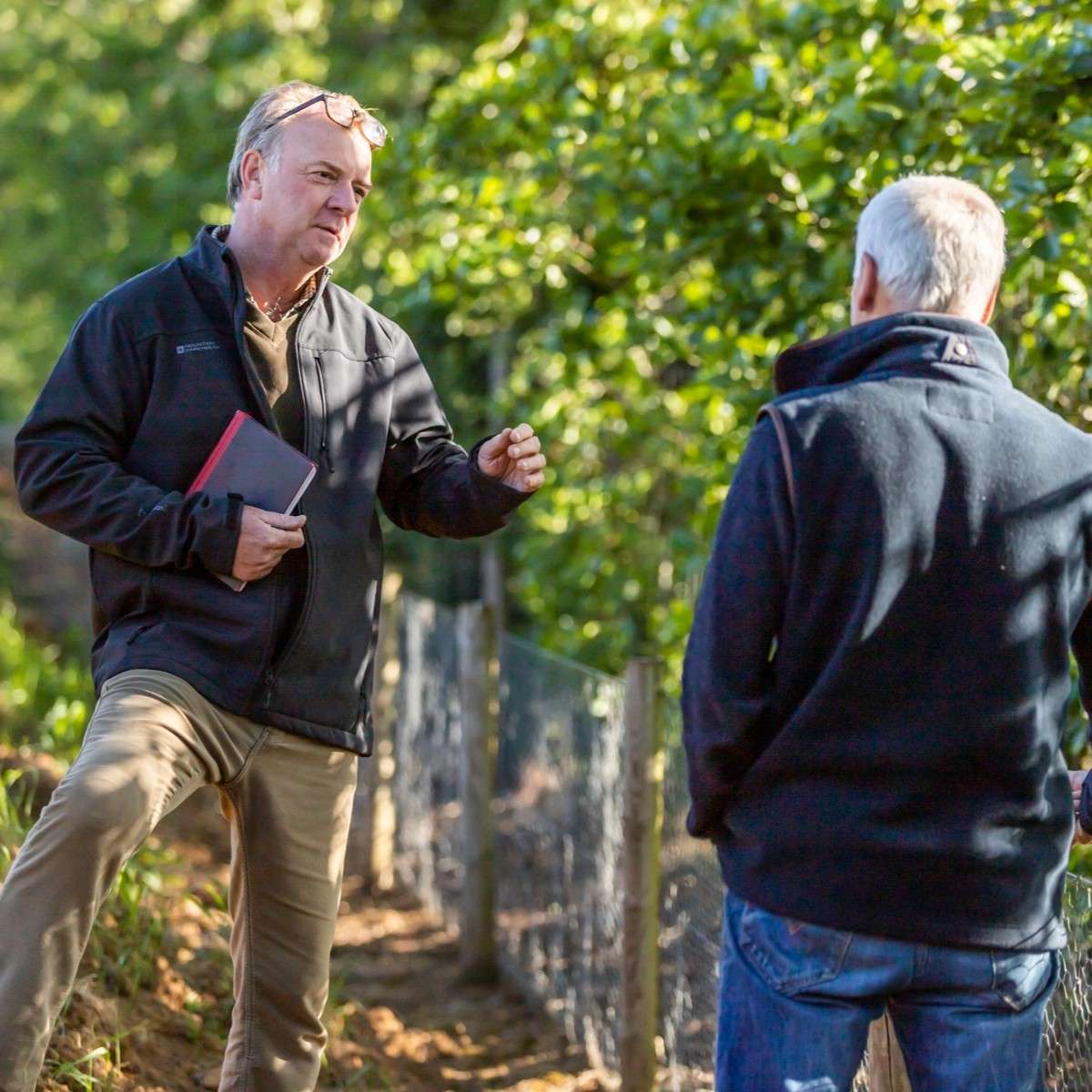
Helping Woodlands Thrive for Generations
From woodland creation and planting schemes to ongoing management and forestry consultancy, we deliver tailored solutions that help woodlands thrive.

Planning a Climate-Resilient Woodland?
Whether you’re considering new woodland creation, restructuring an existing woodland or developing a long-term forestry strategy, the Nicholsons Forestry Team can help. Our experts provide tailored advice on species selection, woodland design, grant funding and sustainable woodland management.
Helping Woodlands Thrive for Generations
From woodland creation and planting schemes to ongoing management and forestry consultancy, we deliver tailored solutions that help woodlands thrive.