RHS Badminton Flower Show 2026
Reflections on designing and building an RHS-commissioned feature garden
The inaugural RHS Badminton Flower Show 2026 marked an exciting new chapter in British horticulture, and for everyone at Nicholsons, it was a privilege to play a part in its story.
Commissioned by the Royal Horticultural Society, we were honoured to design and build Perfume Pavilions, a feature garden that explored the connection between plants, fragrance, heritage and place. Set within the spectacular grounds of Badminton Estate, the garden invited visitors to experience landscape design through a different lens, highlighting the powerful role scent plays in shaping our memories, emotions and connection to nature.
As the show comes to a close, we’re reflecting on what we learned and why fragrance deserves a greater place in contemporary garden design.
About the Perfume Pavilions
Perfume Pavilions was conceived as a celebration of the natural origins of fragrance. While many people associate perfume with laboratories and manufacturing, every scent begins with plants. The aim of the garden was to reconnect visitors with those botanical origins through an immersive sensory experience.
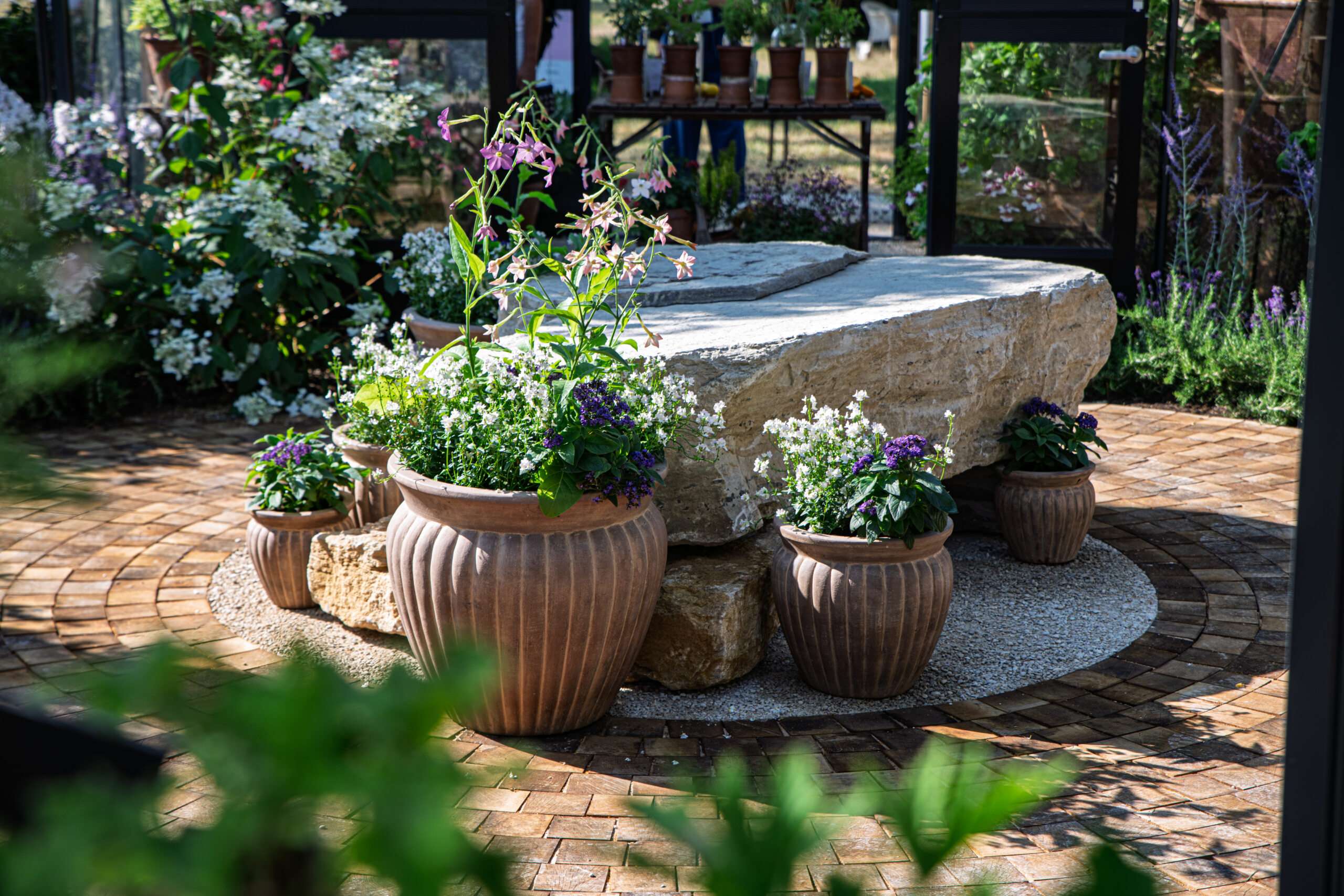
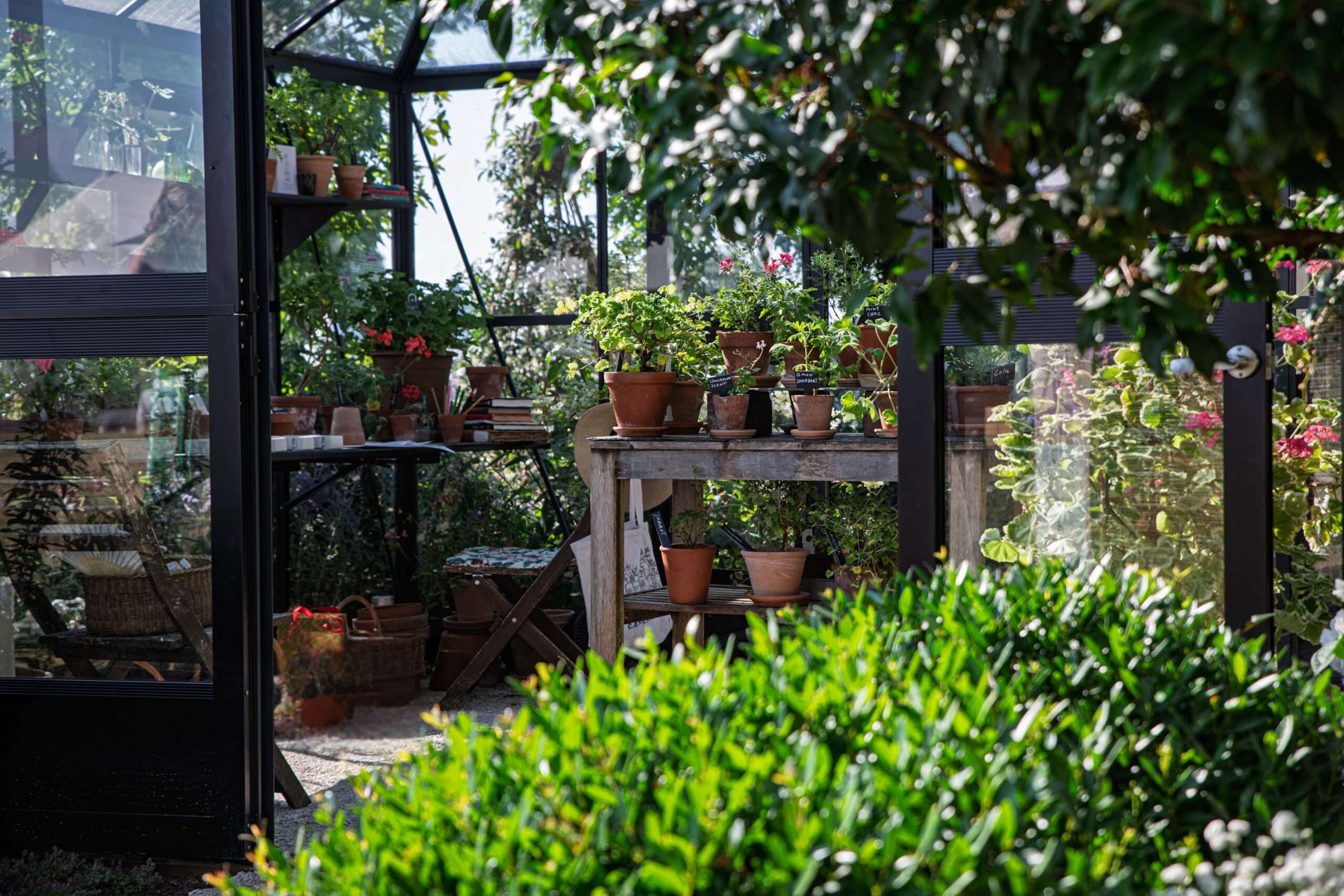
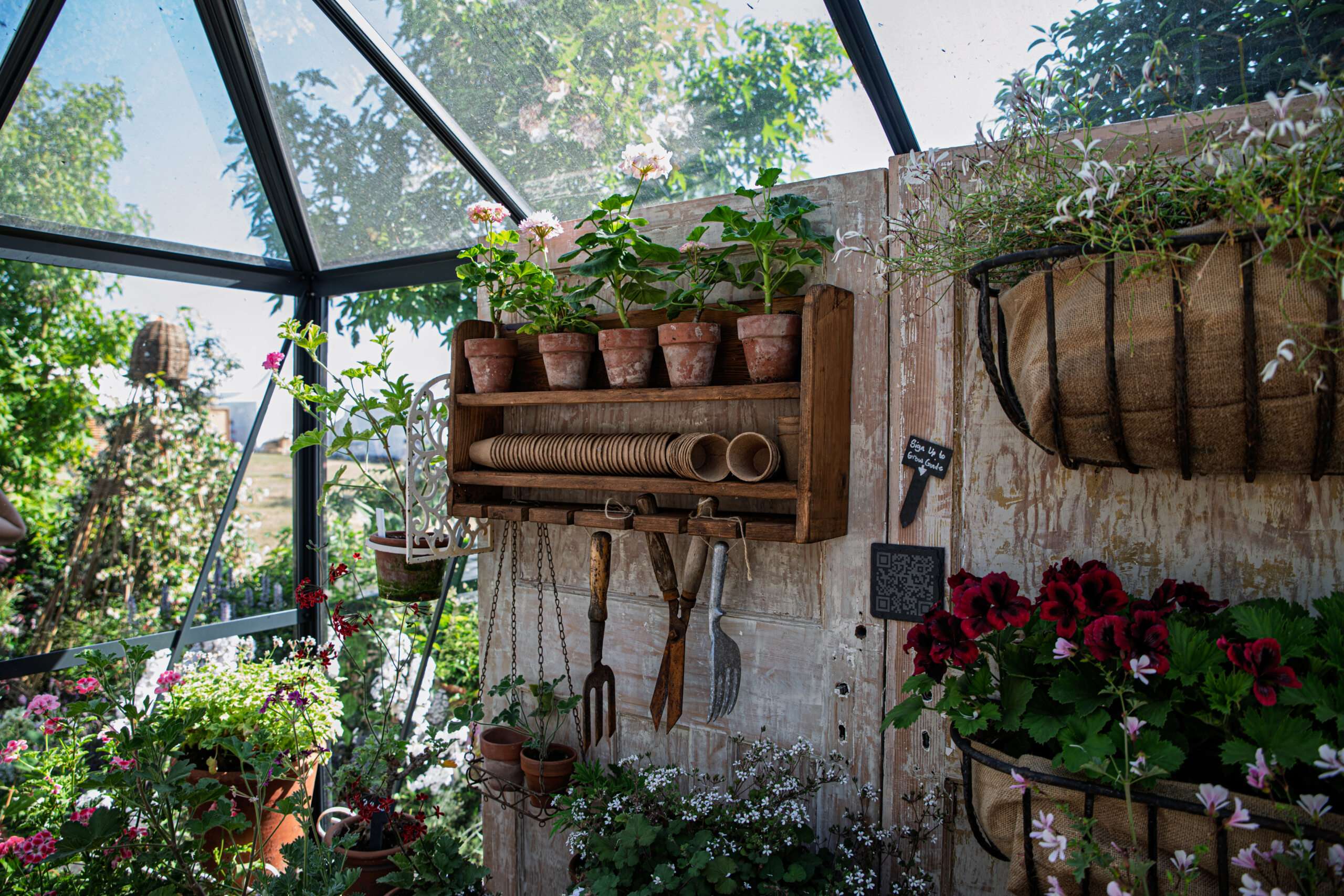
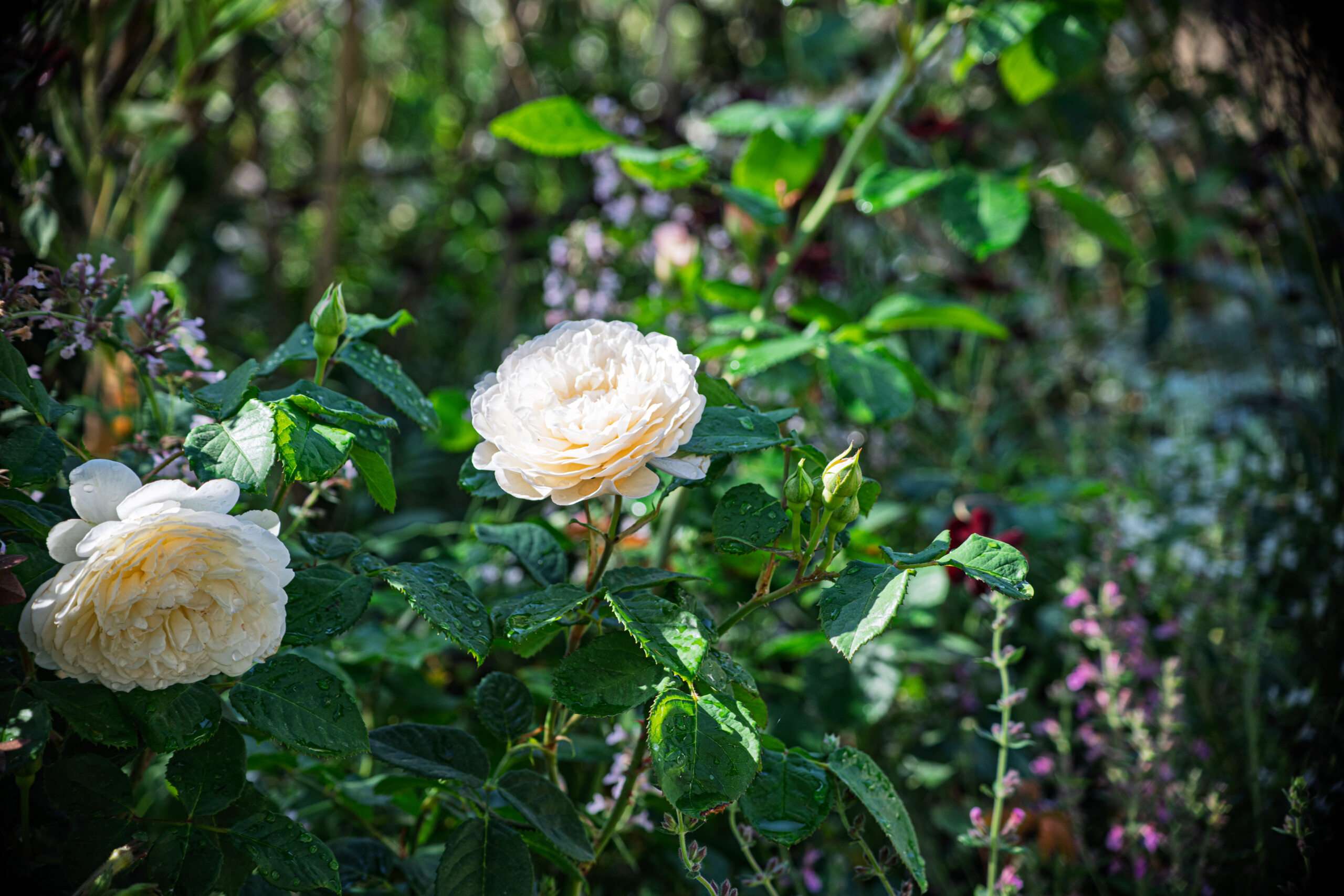
Designed by Liz Nicholson, Freddie Gibbs, Ruby Simpson and Dean Parsons, the garden combined fragrant flowers, aromatic foliage, scented timber and carefully selected trees to create what we described as a “living library of fragrance”. Visitors encountered lavender, jasmine, daphne, phlox, artemisia and scented pelargoniums, alongside aromatic trees including liquidambar and Portuguese laurel.
The result was a garden that encouraged people to slow down, breathe deeply and engage with their surroundings in a more meaningful way.
RHS Badminton Flower Show 2026
Reflections on designing and building an RHS-commissioned feature garden
The inaugural RHS Badminton Flower Show 2026 marked an exciting new chapter in British horticulture, and for everyone at Nicholsons, it was a privilege to play a part in its story.
Commissioned by the Royal Horticultural Society, we were honoured to design and build Perfume Pavilions, a feature garden that explored the connection between plants, fragrance, heritage and place. Set within the spectacular grounds of Badminton Estate, the garden invited visitors to experience landscape design through a different lens, highlighting the powerful role scent plays in shaping our memories, emotions and connection to nature.
As the show comes to a close, we’re reflecting on what we learned and why fragrance deserves a greater place in contemporary garden design.
About the Perfume Pavilions
Perfume Pavilions was conceived as a celebration of the natural origins of fragrance. While many people associate perfume with laboratories and manufacturing, every scent begins with plants. The aim of the garden was to reconnect visitors with those botanical origins through an immersive sensory experience.
Designed by Liz Nicholson, Freddie Gibbs, Ruby Simpson and Dean Parsons, the garden combined fragrant flowers, aromatic foliage, scented timber and carefully selected trees to create what we described as a “living library of fragrance”. Visitors encountered lavender, jasmine, daphne, phlox, artemisia and scented pelargoniums, alongside aromatic trees including liquidambar and Portuguese laurel.
The result was a garden that encouraged people to slow down, breathe deeply and engage with their surroundings in a more meaningful way.
What we learned: great gardens engage all of the senses
One of the strongest lessons reinforced during RHS Badminton Flower Show was something we experience regularly through our garden design projects: the most memorable gardens are rarely defined by how they look alone.
Colour, texture and form are important but scent has a unique ability to create emotional connections. A fragrance can instantly trigger memories, evoke a sense of place and transform how a garden is experienced throughout the year.
On the Perfume Pavilions, we saw visitors naturally pause when they encountered scented planting. They touched foliage, leaned in to smell flowers and spent longer in the space. This reaffirmed our belief that sensory garden design has an increasingly important role to play in both public and private landscapes.
For designers, landscape architects and homeowners alike, fragrance should never be an afterthought. It can be an integral design element that enriches a garden throughout the seasons.
Bringing together specialists across British horticulture
Like every successful show garden, Perfume Pavilions was the result of collaboration.
One of the most rewarding aspects of the project was bringing together specialists from across the horticultural industry, each contributing their expertise to help realise a shared vision.
We were proud to collaborate with:
- C. Atherley, whose interpretation of scented pelargoniums demonstrates the connection between horticulture and modern perfumery.
- Fibrex Nurseries, whose unrivalled expertise in scented pelargoniums and outstanding plant quality were invaluable to the project. Their passion for these highly fragrant plants, combined with the standards reflected in their Royal Warrant, helped create the rich sensory experience at the heart of Perfume Pavilions.
- Juliana Greenhouses, who provided the beautiful Grand Oase glasshouses that formed the garden’s central pavilions.
We were proud to be supported by:
- Rosara, which supplied peat-free, Plant Healthy-certified plants.
- Allgreen, whose heritage timber products contributed to the garden’s sustainable framework.
- Bay Tree Willow, whose handcrafted willow shuttlecocks became one of the garden’s most distinctive features.
Behind the scenes, the garden was brought to life by Nicholsons’ exceptional in-house hardworks and softworks teams, whose craftsmanship, dedication and attention to detail transformed the vision into reality. From the precise construction of the garden’s structural elements to the careful placement and establishment of every plant, their expertise was evident in every aspect of the finished scheme. The delivery of a project of this scale was expertly coordinated by Rich Holt, whose superb project management ensured the garden came together seamlessly, on time and to the highest standard.
Projects of this scale are never the work of one organisation alone. They depend on growers, craftspeople, designers, nurseries, landscape teams and suppliers working together to solve challenges and achieve something exceptional.
RHS Badminton showcased the strength, creativity and innovation that exists within British horticulture today.
What we learned: great gardens engage all of the senses
One of the strongest lessons reinforced during RHS Badminton Flower Show was something we experience regularly through our garden design projects: the most memorable gardens are rarely defined by how they look alone.
Colour, texture and form are important but scent has a unique ability to create emotional connections. A fragrance can instantly trigger memories, evoke a sense of place and transform how a garden is experienced throughout the year.
On the Perfume Pavilions, we saw visitors naturally pause when they encountered scented planting. They touched foliage, leaned in to smell flowers and spent longer in the space. This reaffirmed our belief that sensory garden design has an increasingly important role to play in both public and private landscapes.
For designers, landscape architects and homeowners alike, fragrance should never be an afterthought. It can be an integral design element that enriches a garden throughout the seasons.
Bringing together specialists across British horticulture
Like every successful show garden, Perfume Pavilions was the result of collaboration.
One of the most rewarding aspects of the project was bringing together specialists from across the horticultural industry, each contributing their expertise to help realise a shared vision.
We were proud to collaborate with:
- C. Atherley, whose interpretation of scented pelargoniums demonstrates the connection between horticulture and modern perfumery.
- Fibrex Nurseries, whose unrivalled expertise in scented pelargoniums and outstanding plant quality were invaluable to the project. Their passion for these highly fragrant plants, combined with the standards reflected in their Royal Warrant, helped create the rich sensory experience at the heart of Perfume Pavilions.
- Juliana Greenhouses, who provided the beautiful Grand Oase glasshouses that formed the garden’s central pavilions.
We were proud to be supported by:
- Rosara, which supplied peat-free, Plant Healthy-certified plants.
- Allgreen, whose heritage timber products contributed to the garden’s sustainable framework.
- Bay Tree Willow, whose handcrafted willow shuttlecocks became one of the garden’s most distinctive features.
Behind the scenes, the garden was brought to life by Nicholsons’ exceptional in-house hardworks and softworks teams, whose craftsmanship, dedication and attention to detail transformed the vision into reality. From the precise construction of the garden’s structural elements to the careful placement and establishment of every plant, their expertise was evident in every aspect of the finished scheme. The delivery of a project of this scale was expertly coordinated by Rich Holt, whose superb project management ensured the garden came together seamlessly, on time and to the highest standard.
Projects of this scale are never the work of one organisation alone. They depend on growers, craftspeople, designers, nurseries, landscape teams and suppliers working together to solve challenges and achieve something exceptional.
RHS Badminton showcased the strength, creativity and innovation that exists within British horticulture today.
Celebrating heritage through design
An important part of the design concept was honouring the history of Badminton Estate. The project was greatly enriched by the support of Her Grace Georgia, Duchess of Beaufort, whose enthusiasm for sharing the estate’s remarkable heritage helped shape the storytelling at the heart of the garden. We are also grateful to Jasper, Estates Manager at Badminton Estate, for his generous assistance in providing historical references and resources from the estate.
Perfume Pavilions referenced the legacy of Mary Somerset, Duchess of Beaufort, the pioneering botanist who introduced pelargoniums to Britain from South Africa during the seventeenth century. This historical connection provided an inspiring link between fragrance, plant collecting and the estate itself.
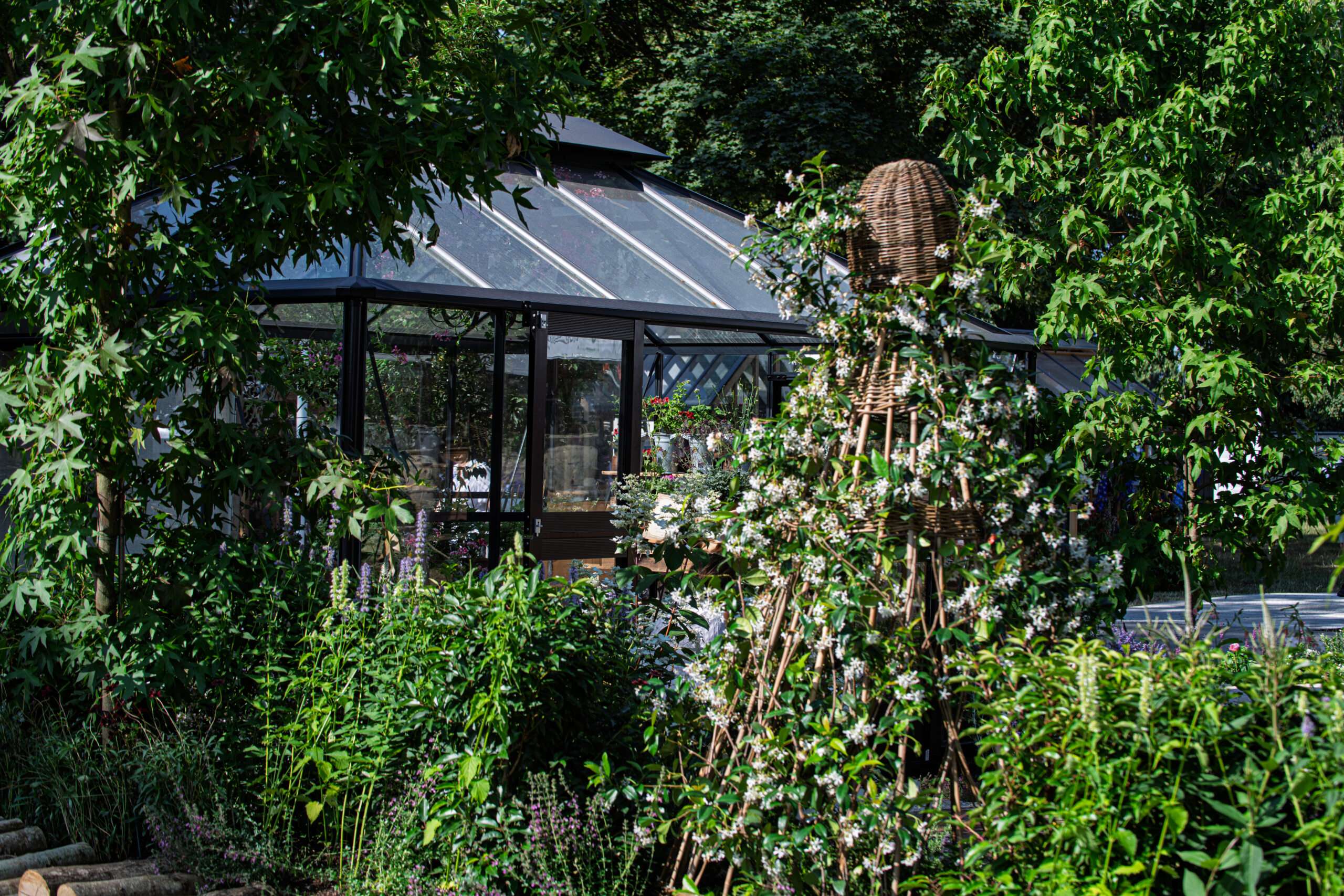
The garden also celebrated the estate’s association with the game of badminton. Handcrafted willow shuttlecocks supported climbing scented roses and jasmine, creating a playful but meaningful reference to the sport’s origins and the history of the Beaufort family.
These heritage elements helped ground the garden within its setting, demonstrating how successful landscape design can tell stories as well as create beautiful spaces. The collaboration and support of the Duchess of Beaufort and the Badminton Estate team ensured that these historical narratives were both authentic and deeply connected to place.
Sustainability at the heart of the garden
Sustainability was embedded throughout the design and construction process.
The planting palette was selected not only for fragrance but also for resilience in a changing climate, with species chosen for their ability to thrive in hotter, drier conditions. The plants were peat-free and Plant Healthy certified, supporting responsible horticultural practices.
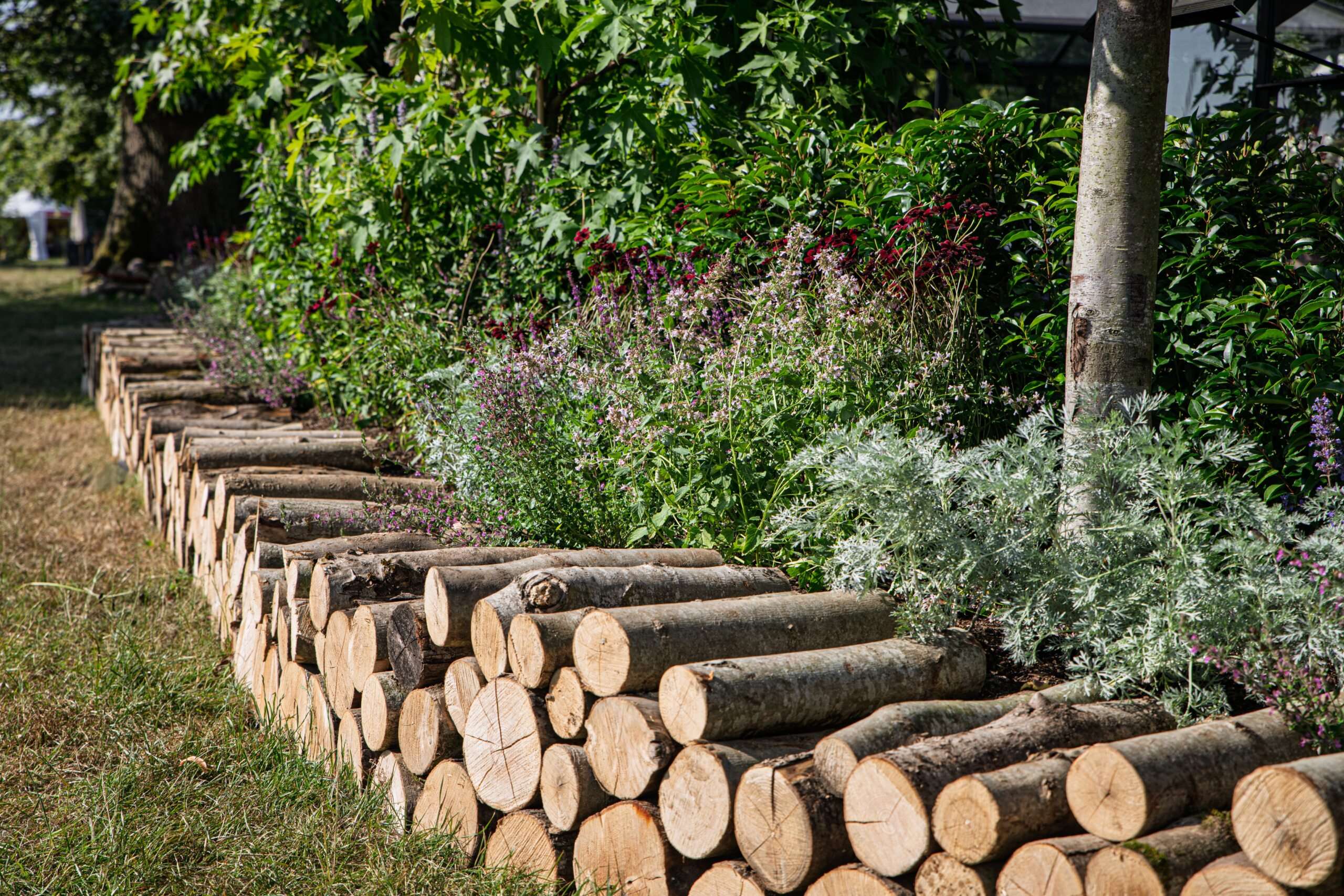
Materials were carefully considered too. Logs harvested from ash trees affected by ash dieback on the Badminton Estate were repurposed to create retaining walls, while local gravel and heritage timber finishes helped reduce environmental impact and strengthen the connection to place.
For us at Nicholsons, sustainably designed gardens are not a trend. They are an essential part of creating landscapes that are beautiful, resilient and beneficial for future generations.
Celebrating heritage through design
An important part of the design concept was honouring the history of Badminton Estate. The project was greatly enriched by the support of Her Grace Georgia, Duchess of Beaufort, whose enthusiasm for sharing the estate’s remarkable heritage helped shape the storytelling at the heart of the garden. We are also grateful to Jasper, Estates Manager at Badminton Estate, for his generous assistance in providing historical references and resources from the estate.
Perfume Pavilions referenced the legacy of Mary Somerset, Duchess of Beaufort, the pioneering botanist who introduced pelargoniums to Britain from South Africa during the seventeenth century. This historical connection provided an inspiring link between fragrance, plant collecting and the estate itself.
The garden also celebrated the estate’s association with the game of badminton. Handcrafted willow shuttlecocks supported climbing scented roses and jasmine, creating a playful but meaningful reference to the sport’s origins and the history of the Beaufort family.
These heritage elements helped ground the garden within its setting, demonstrating how successful landscape design can tell stories as well as create beautiful spaces. The collaboration and support of the Duchess of Beaufort and the Badminton Estate team ensured that these historical narratives were both authentic and deeply connected to place.
Sustainability at the heart of the garden
Sustainability was embedded throughout the design and construction process.
The planting palette was selected not only for fragrance but also for resilience in a changing climate, with species chosen for their ability to thrive in hotter, drier conditions. The plants were peat-free and Plant Healthy certified, supporting responsible horticultural practices.
Materials were carefully considered too. Logs harvested from ash trees affected by ash dieback on the Badminton Estate were repurposed to create retaining walls, while local gravel and heritage timber finishes helped reduce environmental impact and strengthen the connection to place.
For us at Nicholsons, sustainably designed gardens are not a trend. They are an essential part of creating landscapes that are beautiful, resilient and beneficial for future generations.
Why RHS Badminton Flower Show matters
As a new addition to the RHS calendar, RHS Badminton Flower Show immediately established itself as a significant event within the horticultural world.
The atmosphere created by the combination of world-class gardens, the historic estate setting and a passionate community of growers, designers and visitors made it a truly memorable experience.
Beyond the gardens themselves, the show created valuable opportunities to discuss biodiversity, sustainability, craftsmanship, planting design and the future of horticulture.
These conversations are often the most lasting outcome of flower shows. While gardens may be temporary, the ideas, partnerships and inspiration they generate continue long after the final visitors leave.
Thank you from Nicholsons
We leave RHS Badminton Flower Show 2026 feeling incredibly grateful.
Thank you to the Royal Horticultural Society for the opportunity to create an RHS-commissioned feature garden. Thank you to Badminton Estate for providing such an extraordinary setting. Thank you to our collaborators, suppliers, growers, craftspeople and construction teams who brought Perfume Pavilions to life. Most importantly, thank you to everyone who visited the garden and shared in the experience.
Perfume Pavilions may have been designed to celebrate fragrance but its greatest legacy is the connections it helped create.
We look forward to carrying those conversations, ideas and collaborations into future garden design, landscape construction and horticultural projects.
Thank you, RHS Badminton Flower Show. Until next time.
Inspired by Perfume Pavilions?
Discover how Nicholsons can create a bespoke garden that blends exceptional design, sustainable planting and sensory experiences tailored to your space.
Contact our Garden Design Team
Discover how we can create a beautiful, sensory and sustainable garden tailored to your home, estate or commercial landscape.

Explore our garden design portfolio
Experience a diverse collection of gardens and landscapes that showcase our creativity, craftsmanship and passion for designing spaces that connect people with nature.
Contact our Garden Design Team
Discover how we can create a beautiful, sensory and sustainable garden tailored to your home, estate or commercial landscape.
Explore our garden design portfolio
Experience a diverse collection of gardens and landscapes that showcase our creativity, craftsmanship and passion for designing spaces that connect people with nature.