Ash Dieback in the UK: What It Means for Trees, Landscapes and Landowners
Ash dieback is reshaping the British countryside at a scale not seen for generations. Affecting millions of trees across woodlands, estates and urban landscapes, it presents both a practical challenge and a long-term strategic question for landowners.
For many, the key issue is not just what ash dieback is but how to respond in a measured, informed way that balances safety, biodiversity and landscape character.
What is ash dieback?
Ash dieback is a fungal disease caused by Hymenoscyphus fraxineus, first confirmed in the UK in 2012. It affects common ash (Fraxinus excelsior), one of the country’s most widespread native tree species.
The disease typically progresses over several years. Early signs can be subtle, but as it develops, trees may show:
- Darkened or wilting leaves
- Dieback of shoots and branches
- Progressive thinning of the crown
- Lesions at the base of the trunk
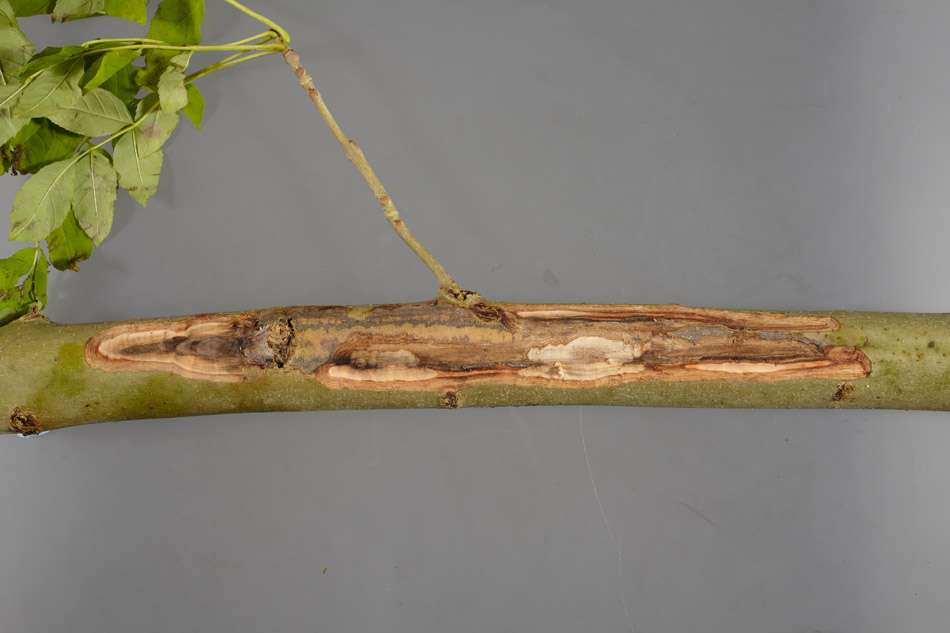
These basal lesions are particularly significant as they can weaken the tree structurally and increase susceptibility to decay fungi. In some cases, this can lead to instability and an elevated risk of failure.
Why ash trees matter in the British landscape
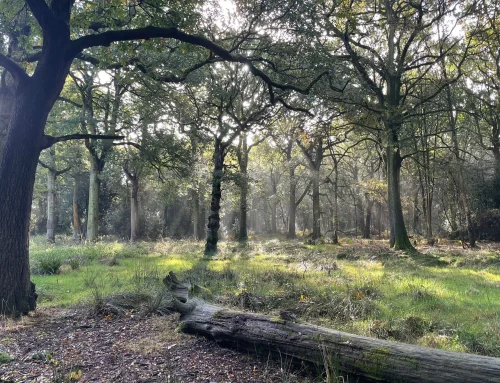
Ash is a defining feature of the UK’s natural and managed environments. From ancient woodlands to parkland settings and hedgerows, it plays an essential role in shaping the character and ecology of the landscape.
Its importance is reflected in a number of key facts:
- Around 12% of Britain’s broadleaved woodland is ash
- Approximately 60 million ash trees exist outside woodland settings
- Ash supports hundreds of species, many of which rely heavily on it
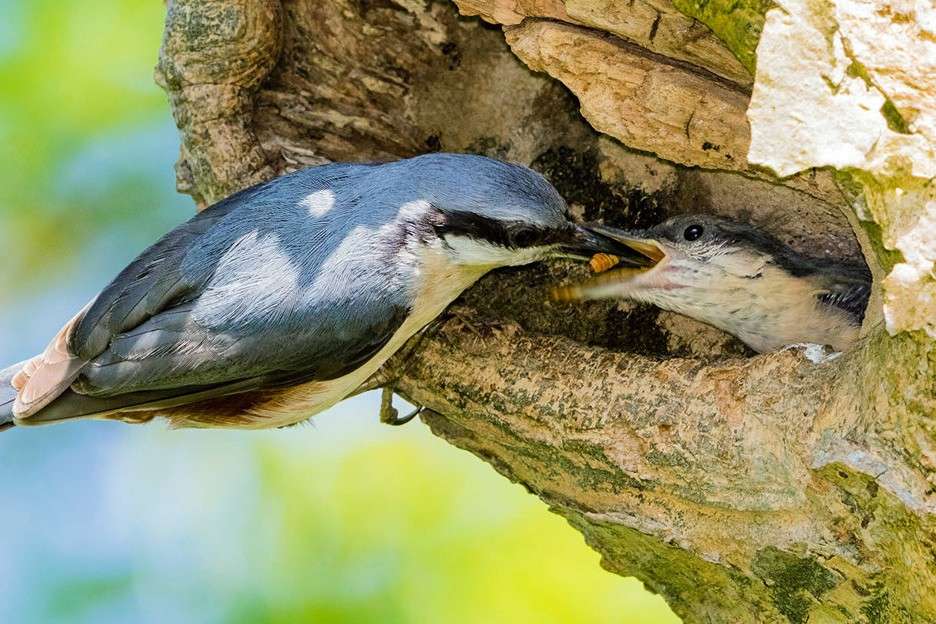
The tree’s light, open canopy allows ground flora to flourish, while its structure provides valuable habitat for insects, birds and fungi. The loss of ash is therefore not just a visual change – it has significant ecological consequences.
Ash Dieback in the UK: What It Means for Trees, Landscapes and Landowners
Ash dieback is reshaping the British countryside at a scale not seen for generations. Affecting millions of trees across woodlands, estates and urban landscapes, it presents both a practical challenge and a long-term strategic question for landowners.
For many, the key issue is not just what ash dieback is but how to respond in a measured, informed way that balances safety, biodiversity and landscape character.
What is ash dieback?
Ash dieback is a fungal disease caused by Hymenoscyphus fraxineus, first confirmed in the UK in 2012. It affects common ash (Fraxinus excelsior), one of the country’s most widespread native tree species.
The disease typically progresses over several years. Early signs can be subtle, but as it develops, trees may show:
- Darkened or wilting leaves
- Dieback of shoots and branches
- Progressive thinning of the crown
- Lesions at the base of the trunk
These basal lesions are particularly significant as they can weaken the tree structurally and increase susceptibility to decay fungi. In some cases, this can lead to instability and an elevated risk of failure.
Why ash trees matter in the British landscape
Ash is a defining feature of the UK’s natural and managed environments. From ancient woodlands to parkland settings and hedgerows, it plays an essential role in shaping the character and ecology of the landscape.
Its importance is reflected in a number of key facts:
- Around 12% of Britain’s broadleaved woodland is ash
- Approximately 60 million ash trees exist outside woodland settings
- Ash supports hundreds of species, many of which rely heavily on it
The tree’s light, open canopy allows ground flora to flourish, while its structure provides valuable habitat for insects, birds and fungi. The loss of ash is therefore not just a visual change – it has significant ecological consequences.
A changing countryside
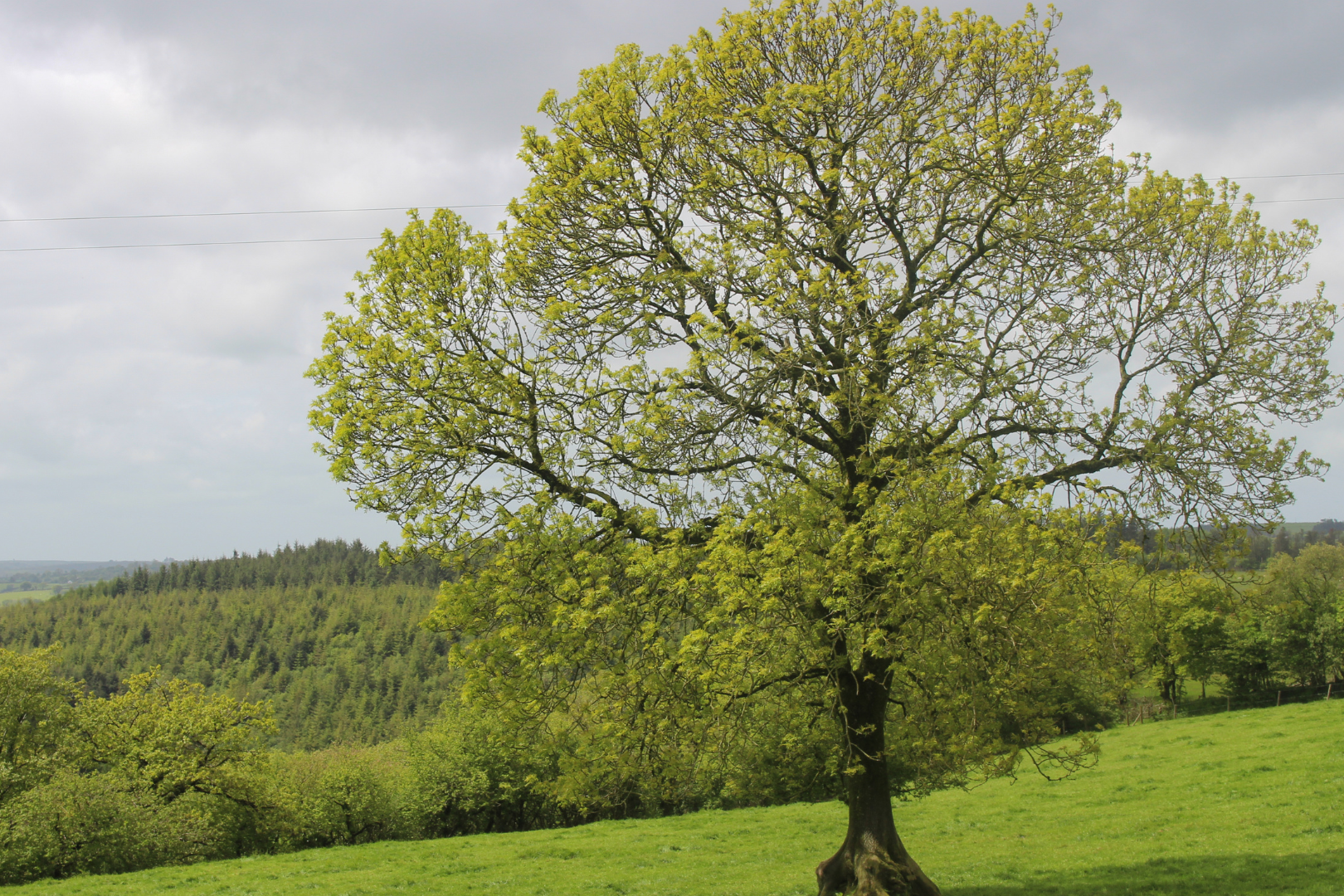
One of the defining characteristics of ash dieback is its variability. Not all trees respond in the same way and not all will be lost.
In dense, humid woodland environments, the disease can progress quickly, particularly in younger trees. In contrast, ash growing in open conditions, such as hedgerows, parkland or roadside boundaries, often declines more slowly and may persist for many years.
Encouragingly, some trees show signs of tolerance. This emerging resilience is an important factor in management decisions and is one of the reasons why current guidance supports selective, evidence-led intervention rather than blanket felling.
Managing ash dieback in practice
Effective management starts with a simple principle: focus on risk, not just condition.
The key question is not only whether a tree is affected but what the consequences would be if it failed.
Trees located in high-use areas should always be prioritised, including those near:
- Roads and access routes
- Buildings and infrastructure
- Car parks and visitor spaces
- Public footpaths, gardens and schools
In contrast, trees in low-use woodland or remote areas may often be retained for longer, particularly where they provide ecological value.
A changing countryside
One of the defining characteristics of ash dieback is its variability. Not all trees respond in the same way and not all will be lost.
In dense, humid woodland environments, the disease can progress quickly, particularly in younger trees. In contrast, ash growing in open conditions, such as hedgerows, parkland or roadside boundaries, often declines more slowly and may persist for many years.
Encouragingly, some trees show signs of tolerance. This emerging resilience is an important factor in management decisions and is one of the reasons why current guidance supports selective, evidence-led intervention rather than blanket felling.
Managing ash dieback in practice
Effective management starts with a simple principle: focus on risk, not just condition.
The key question is not only whether a tree is affected but what the consequences would be if it failed.
Trees located in high-use areas should always be prioritised, including those near:
- Roads and access routes
- Buildings and infrastructure
- Car parks and visitor spaces
- Public footpaths, gardens and schools
In contrast, trees in low-use woodland or remote areas may often be retained for longer, particularly where they provide ecological value.


Inspection, monitoring and decision-making
A structured approach to inspection is essential for managing ash dieback effectively.
Seasonal awareness is particularly useful. During the summer months, crown condition and leaf health are easier to assess, while winter can reveal structural issues, deadwood and branch architecture more clearly.
Over time, building a consistent record of observations, through photographs, inspection notes and mapped locations, provides a valuable basis for decision-making.
Where significant decline is identified, particularly in high-risk locations, a professional arboricultural assessment should be undertaken.
Management options: beyond felling
While tree removal is sometimes necessary, it is not the only course of action. In many cases, a more measured response is appropriate.
Depending on the site and level of risk, management options may include:
- Selective pruning to remove hazardous branches
- Pollarding to prolong safe retention
- Adjusting site use (such as moving seating or rerouting paths)
- Temporary exclusion zones or signage
- Ongoing monitoring to track progression
Retaining standing deadwood in low-risk areas can also provide significant ecological benefits, supporting a wide range of species.
Where felling is required, early planning is important. Advanced ash dieback can make trees brittle and more hazardous to work on so engaging qualified, properly equipped contractors is essential.
Inspection, monitoring and decision-making
A structured approach to inspection is essential for managing ash dieback effectively.
Seasonal awareness is particularly useful. During the summer months, crown condition and leaf health are easier to assess, while winter can reveal structural issues, deadwood and branch architecture more clearly.
Over time, building a consistent record of observations, through photographs, inspection notes and mapped locations, provides a valuable basis for decision-making.
Where significant decline is identified, particularly in high-risk locations, a professional arboricultural assessment should be undertaken.
Management options: beyond felling
While tree removal is sometimes necessary, it is not the only course of action. In many cases, a more measured response is appropriate.
Depending on the site and level of risk, management options may include:
- Selective pruning to remove hazardous branches
- Pollarding to prolong safe retention
- Adjusting site use (such as moving seating or rerouting paths)
- Temporary exclusion zones or signage
- Ongoing monitoring to track progression
Retaining standing deadwood in low-risk areas can also provide significant ecological benefits, supporting a wide range of species.
Where felling is required, early planning is important. Advanced ash dieback can make trees brittle and more hazardous to work on so engaging qualified, properly equipped contractors is essential.

Legal and environmental considerations
Tree works in the UK are subject to a range of legal and environmental constraints, which still apply in the context of ash dieback.
Before undertaking any work, it is important to consider:
- Tree Preservation Orders (TPOs)
- Conservation Area status
- Felling licence requirements
- Wildlife legislation, including protections for bats and nesting birds
- Site-specific designations such as SSSIs
Even where safety concerns are present, decisions should be supported by clear reasoning, appropriate documentation and, where necessary, professional advice.
Looking ahead: building resilient landscapes
Ash dieback is not a short-term issue; it is a generational change. As such, responses should look beyond immediate management to consider long-term landscape resilience.
Where ash trees are lost, replacement planting should prioritise diversity. Rather than relying on a single alternative species, a mix of site-appropriate trees will help reduce future vulnerability.
At the same time, retaining healthy or tolerant ash trees where it is safe to do so remains a priority. These individuals may play a crucial role in the species’ long-term recovery.
Ongoing research suggests that natural tolerance is developing within some ash populations, offering cautious optimism for the future.
A balanced approach
For landowners, estate managers and the wider public, the challenge of ash dieback is one of balance.
It requires:
- Careful assessment of risk
- Respect for ecological value
- Strategic, long-term thinking
Above all, it calls for measured decision-making – avoiding both unnecessary removal and inaction where intervention is needed.
How Nicholsons can help
Nicholsons supports clients across estates, landscapes and developments with expert guidance on tree health and management.
Our services include:
- Ash dieback surveys and risk assessments
- Tree and woodland management strategies
- Practical arboricultural works
- Long-term planting and landscape resilience planning
If you would like advice tailored to your site, our team would be pleased to help. Get in touch here.
Legal and environmental considerations
Tree works in the UK are subject to a range of legal and environmental constraints, which still apply in the context of ash dieback.
Before undertaking any work, it is important to consider:
- Tree Preservation Orders (TPOs)
- Conservation Area status
- Felling licence requirements
- Wildlife legislation, including protections for bats and nesting birds
- Site-specific designations such as SSSIs
Even where safety concerns are present, decisions should be supported by clear reasoning, appropriate documentation and, where necessary, professional advice.
Looking ahead: building resilient landscapes
Ash dieback is not a short-term issue; it is a generational change. As such, responses should look beyond immediate management to consider long-term landscape resilience.
Where ash trees are lost, replacement planting should prioritise diversity. Rather than relying on a single alternative species, a mix of site-appropriate trees will help reduce future vulnerability.
At the same time, retaining healthy or tolerant ash trees where it is safe to do so remains a priority. These individuals may play a crucial role in the species’ long-term recovery.
Ongoing research suggests that natural tolerance is developing within some ash populations, offering cautious optimism for the future.
A balanced approach
For landowners, estate managers and the wider public, the challenge of ash dieback is one of balance.
It requires:
- Careful assessment of risk
- Respect for ecological value
- Strategic, long-term thinking
Above all, it calls for measured decision-making – avoiding both unnecessary removal and inaction where intervention is needed.
How Nicholsons can help
Nicholsons supports clients across estates, landscapes and developments with expert guidance on tree health and management.
Our services include:
- Ash dieback surveys and risk assessments
- Tree and woodland management strategies
- Practical arboricultural works
- Long-term planting and landscape resilience planning
If you would like advice tailored to your site, our team would be pleased to help. Get in touch here.
Explore our arboricultural services
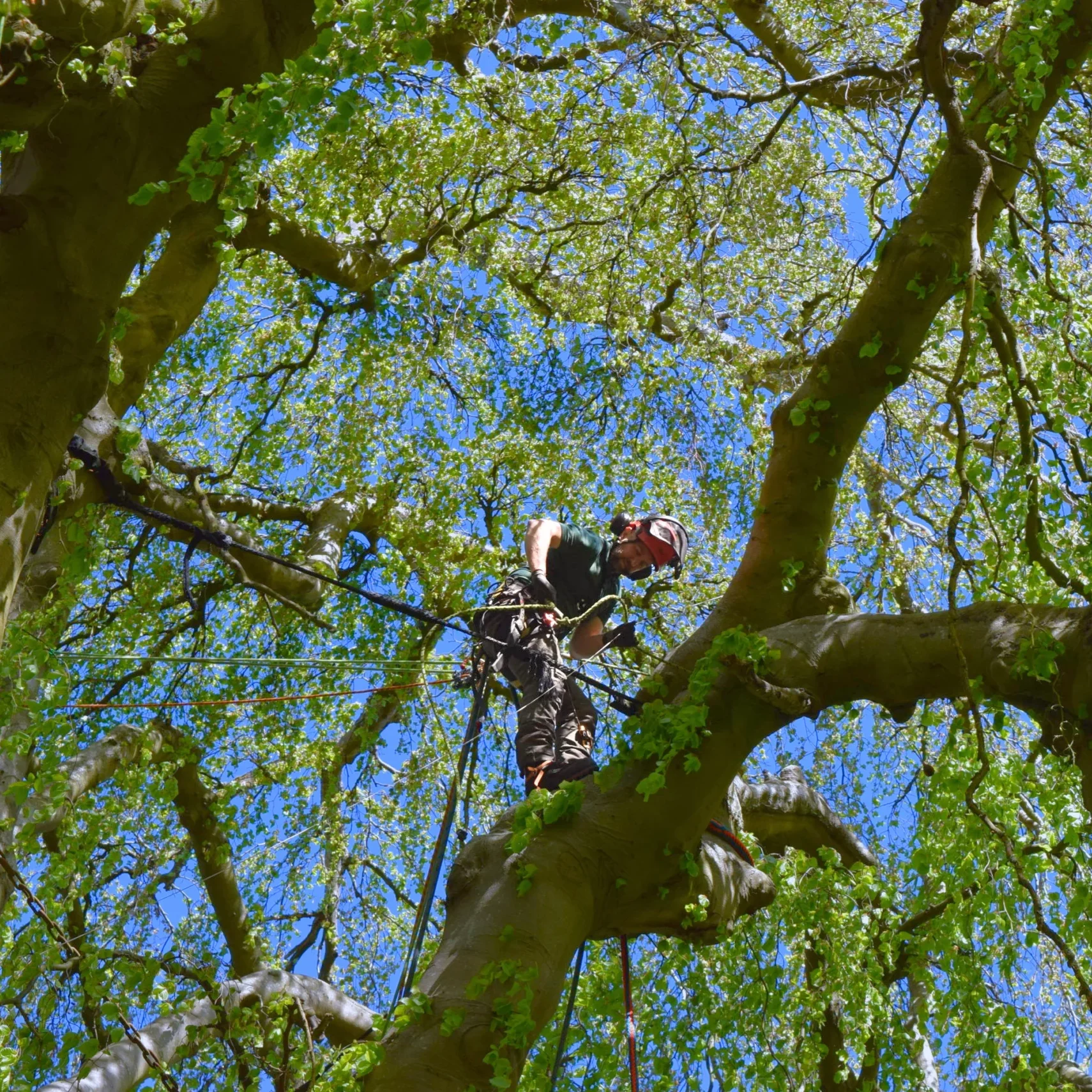
Need expert guidance on managing ash dieback or assessing your trees? Our arboriculture team can help you make informed, practical decisions for your landscape.
Explore our woodland management services
From ash dieback response to long-term woodland stewardship, we help clients manage and enhance woodlands with a practical, sustainable approach.

Explore our arboricultural services
Need expert guidance on managing ash dieback or assessing your trees? Our arboriculture team can help you make informed, practical decisions for your landscape.
Explore our woodland management services
From ash dieback response to long-term woodland stewardship, we help clients manage and enhance woodlands with a practical, sustainable approach.