
May Gardening Tips
Spring finally feels like it has arrived here in Oxfordshire. After a chilly and windy start to the season, and a very wet winter, our gardens are beginning to dry out and come back to life. As temperatures rise, this is the ideal time to focus on watering, feeding and preparing your garden for the warmer months ahead. At Nicholsons, we’re seeing borders waking up, fruit trees bursting into growth and gardens across the region responding well to the improving conditions. With that in mind, here’s our essential May gardening checklist to help you make the most of your garden this month.
1. Watering and feeding containers
As the weather warms up, watering pots and containers becomes a priority. Containers can dry out quickly, especially hanging baskets, which may need watering once, or even twice, a day in warmer conditions.
- Use a high‑potash liquid feed to encourage strong flowering and a long-lasting display.
- Avoid high‑nitrogen fertilisers unless leafy growth is your goal as they can reduce flowering.
2. Uncover tender fruit trees
If you’ve been protecting peach, nectarine or cherry trees over winter, coverings can usually be removed this month. However, late frosts are still possible.
- Keep horticultural fleece nearby so you can quickly protect blossom if temperatures suddenly drop.
- Protecting early flowers now helps ensure a healthy fruit crop later in the summer.
3. Care for newly sown lawns
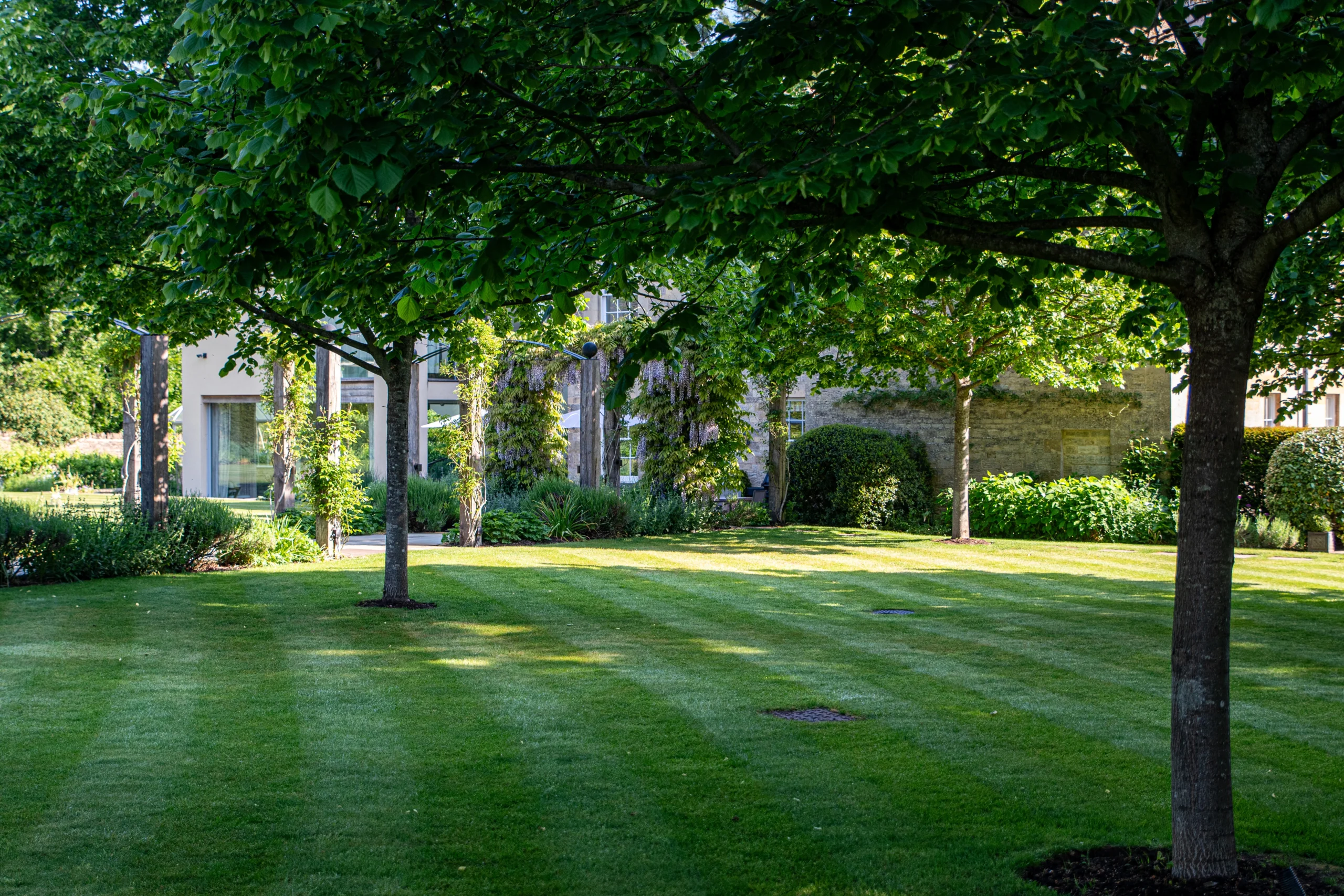
If your newly sown lawn has reached around 2.5cm in height, lightly roll it using a lawn roller or a mower roller. This encourages grass to grow from the base, creating a dense, even sward.
- First cut should be done when grass reaches around 5cm.
- Set the mower to its highest setting initially and reduce the height gradually over subsequent cuts.
4. Earth up early potatoes
Draw soil up around the shoots of early potatoes as they emerge.
- Encourages more root and tuber development for higher yields.
- Protects young shoots from late frosts.
- Repeat earthing up as plants grow, ensuring no developing potatoes are exposed to light.
5. Stake and support perennials
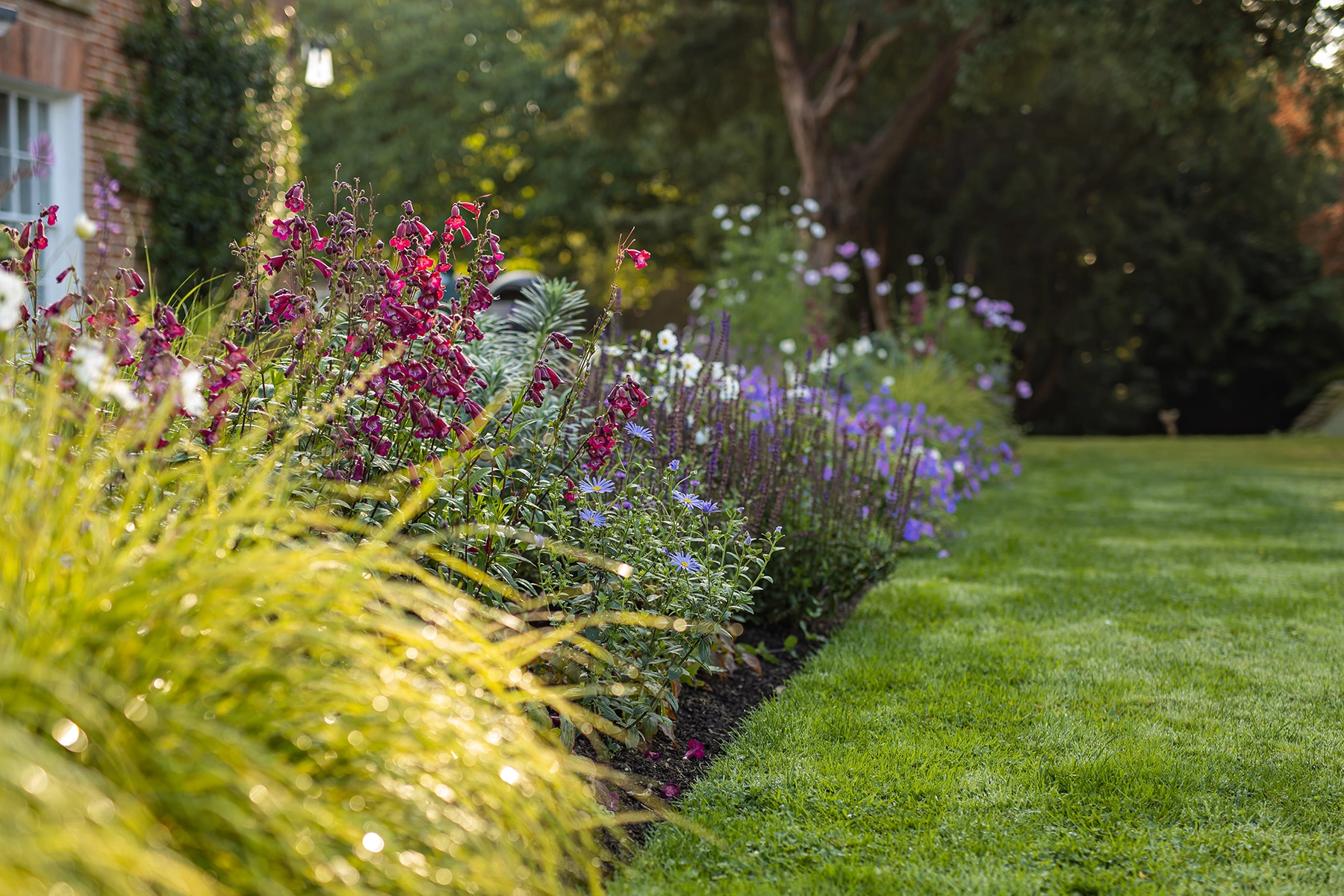
Tall perennials such as delphiniums benefit from early staking.
- Use bamboo canes and soft garden string or individual supports for each stem.
- Metal plant supports are also available in a variety of sizes and shapes.
- The Rosara Plant Centre Team will be happy to help you choose the right support for your plants.
6. Protect carrots from Carrot Fly
Carrot fly can damage carrots, parsnips and parsley by laying eggs near the foliage base.
Effective prevention methods include:
- Covering crops with horticultural fleece.
- Installing a 45cm‑high barrier of fleece or mesh (the fly stays close to ground level).
- Choosing resistant varieties such as ‘Flyaway’ or ‘Resistafly’
7. Deadhead spring-flowering bulbs
After flowering, bulbs like tulips benefit from deadheading.
- Remove the flower heads only.
- Leave foliage and stems for at least six weeks so bulbs can store energy.
- If bulbs must be moved, replant them temporarily until foliage dies back naturally.
8. Natural pest control with pheromone traps
At Nicholsons, we favour organic and wildlife‑friendly gardening methods wherever possible.
Pheromone traps help control pests such as codling moth, which affects apples:
- Traps attract male moths, reducing mating and egg‑laying.
- Typically, one trap is sufficient for every three to five fruit trees.
- Traps are easy to use and avoid the need for chemical sprays.
9. Mulch fruit trees
Mulching fruit trees helps retain moisture and improve soil health.
- Use well‑rotted manure, garden compost or other organic matter.
- Water the soil thoroughly before mulching if conditions are dry.
- Newly planted fruit trees benefit particularly from mulch to reduce stress and improve establishment.

10. Plant out courgettes and marrows
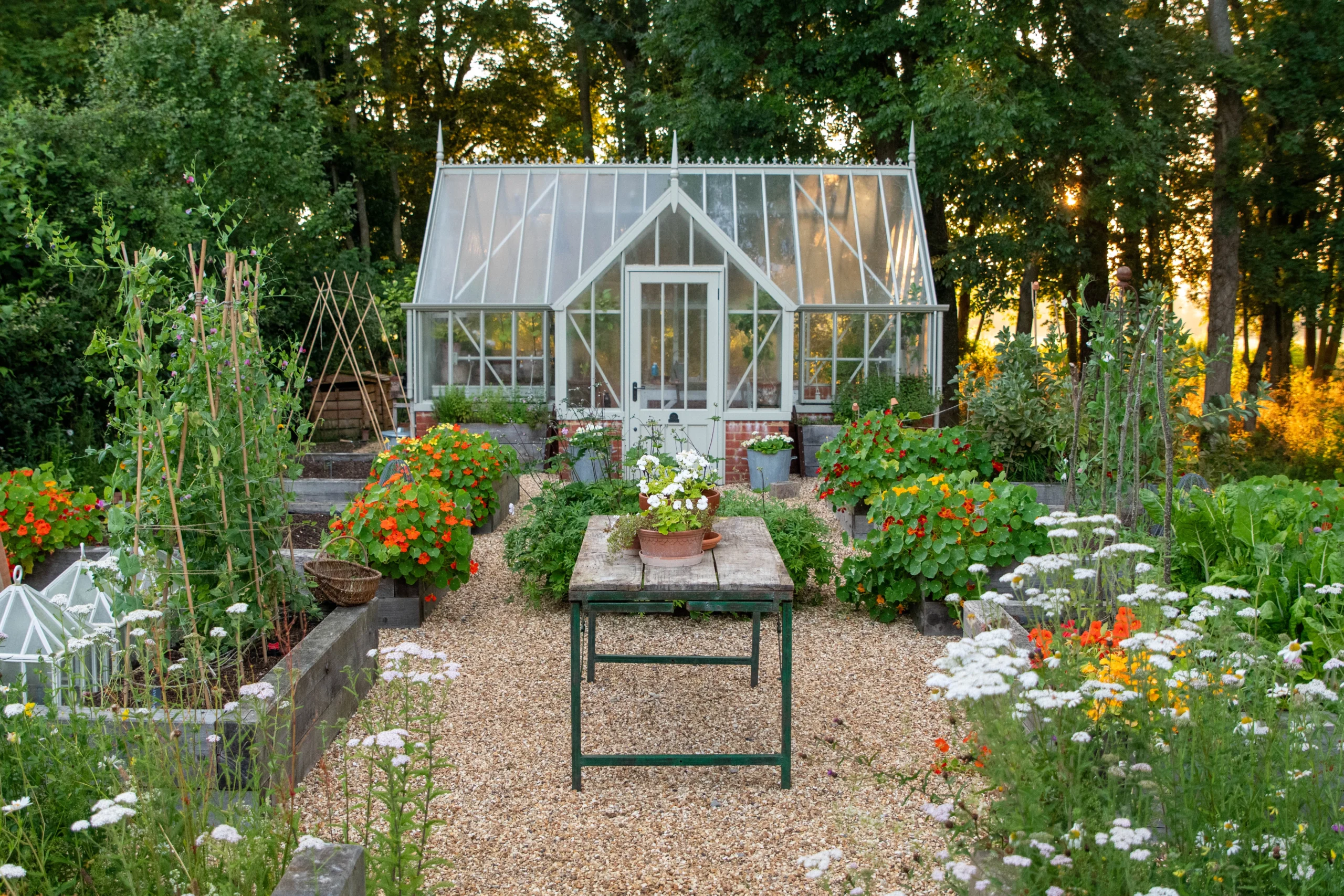
Once the risk of frost has passed (usually later this month in Oxfordshire), courgettes and marrows can be planted outdoors.
- Enrich planting areas with plenty of organic matter.
- Space plants approximately 90cm apart.
- Keep well watered throughout the growing season.
- Trailing varieties can be grown up canes or supports to save space and create an attractive feature.
11. Protect strawberries
Strawberries are vulnerable to soil splash, slugs and birds.
- Tuck straw beneath plants or use purpose‑made strawberry mats.
- Cover plants with netting once fruit starts to develop.
- If bird safety is a concern, horticultural fleece is a softer alternative.
Eco Tip: Install a bat box
As spring progresses, bats are emerging from hibernation and searching for food and safe roosting sites. This is a particularly important time for female bats preparing to raise their young.
Installing a bat box now can make a real difference:
- Fix boxes to trees or buildings, ideally south‑ or west‑facing.
- Position around 3 metres high with a clear flight path.
- Choose a design suitable for your building and local bat species.
As an added bonus, bats are excellent natural pest controllers – far more effective at reducing mosquitoes than any candle or spray!
May Gardening Tips
Spring finally feels like it has arrived here in Oxfordshire. After a chilly and windy start to the season, and a very wet winter, our gardens are beginning to dry out and come back to life. As temperatures rise, this is the ideal time to focus on watering, feeding and preparing your garden for the warmer months ahead. At Nicholsons, we’re seeing borders waking up, fruit trees bursting into growth and gardens across the region responding well to the improving conditions. With that in mind, here’s our essential May gardening checklist to help you make the most of your garden this month.
1. Watering and feeding containers
As the weather warms up, watering pots and containers becomes a priority. Containers can dry out quickly, especially hanging baskets, which may need watering once, or even twice, a day in warmer conditions.
- Use a high‑potash liquid feed to encourage strong flowering and a long-lasting display.
- Avoid high‑nitrogen fertilisers unless leafy growth is your goal as they can reduce flowering.
2. Uncover tender fruit trees
If you’ve been protecting peach, nectarine or cherry trees over winter, coverings can usually be removed this month. However, late frosts are still possible.
- Keep horticultural fleece nearby so you can quickly protect blossom if temperatures suddenly drop.
- Protecting early flowers now helps ensure a healthy fruit crop later in the summer.
3. Care for newly sown lawns
If your newly sown lawn has reached around 2.5cm in height, lightly roll it using a lawn roller or a mower roller. This encourages grass to grow from the base, creating a dense, even sward.
- First cut should be done when grass reaches around 5cm.
- Set the mower to its highest setting initially and reduce the height gradually over subsequent cuts.
4. Earth up early potatoes
Draw soil up around the shoots of early potatoes as they emerge.
- Encourages more root and tuber development for higher yields.
- Protects young shoots from late frosts.
- Repeat earthing up as plants grow, ensuring no developing potatoes are exposed to light.
5. Stake and support perennials
Tall perennials such as delphiniums benefit from early staking.
- Use bamboo canes and soft garden string or individual supports for each stem.
- Metal plant supports are also available in a variety of sizes and shapes.
- The Rosara Plant Centre Team will be happy to help you choose the right support for your plants.
6. Protect carrots from Carrot Fly
Carrot fly can damage carrots, parsnips and parsley by laying eggs near the foliage base.
Effective prevention methods include:
- Covering crops with horticultural fleece.
- Installing a 45cm‑high barrier of fleece or mesh (the fly stays close to ground level).
- Choosing resistant varieties such as ‘Flyaway’ or ‘Resistafly’
7. Deadhead spring-flowering bulbs
After flowering, bulbs like tulips benefit from deadheading.
- Remove the flower heads only.
- Leave foliage and stems for at least six weeks so bulbs can store energy.
- If bulbs must be moved, replant them temporarily until foliage dies back naturally.
8. Natural pest control with pheromone traps
At Nicholsons, we favour organic and wildlife‑friendly gardening methods wherever possible.
Pheromone traps help control pests such as codling moth, which affects apples:
- Traps attract male moths, reducing mating and egg‑laying.
- Typically, one trap is sufficient for every three to five fruit trees.
- Traps are easy to use and avoid the need for chemical sprays.
9. Mulch fruit trees
Mulching fruit trees helps retain moisture and improve soil health.
- Use well‑rotted manure, garden compost or other organic matter.
- Water the soil thoroughly before mulching if conditions are dry.
- Newly planted fruit trees benefit particularly from mulch to reduce stress and improve establishment.
10. Plant out courgettes and marrows
Once the risk of frost has passed (usually later this month in Oxfordshire), courgettes and marrows can be planted outdoors.
- Enrich planting areas with plenty of organic matter.
- Space plants approximately 90cm apart.
- Keep well watered throughout the growing season.
- Trailing varieties can be grown up canes or supports to save space and create an attractive feature.
11. Protect strawberries
Strawberries are vulnerable to soil splash, slugs and birds.
- Tuck straw beneath plants or use purpose‑made strawberry mats.
- Cover plants with netting once fruit starts to develop.
- If bird safety is a concern, horticultural fleece is a softer alternative.
Eco Tip: Install a bat box
As spring progresses, bats are emerging from hibernation and searching for food and safe roosting sites. This is a particularly important time for female bats preparing to raise their young.
Installing a bat box now can make a real difference:
- Fix boxes to trees or buildings, ideally south‑ or west‑facing.
- Position around 3 metres high with a clear flight path.
- Choose a design suitable for your building and local bat species.
As an added bonus, bats are excellent natural pest controllers – far more effective at reducing mosquitoes than any candle or spray!
Contact our Garden Management Team
+44 (0)1869 340342
Explore our full range of landscape services
Nicholsons offers a complete suite of landscape solutions that work seamlessly alongside our Garden Management expertise. From concept and design through to construction and long‑term care, our teams deliver beautifully crafted, sustainable outdoor spaces.

Contact our Garden Management Team
+44 (0)1869 340342
Explore our full range of landscape services
Nicholsons offers a complete suite of landscape solutions that work seamlessly alongside our Garden Management expertise. From concept and design through to construction and long‑term care, our teams deliver beautifully crafted, sustainable outdoor spaces.