
June Gardening Tips
Summer has arrived and after another warm, dry spring, gardens across the UK are bursting into life. The hard work carried out during winter and spring is now paying off, with roses, alliums and herbaceous borders looking particularly impressive this year.
However, continued dry weather means watering remains one of the most important gardening tasks this month. Newly planted trees and shrubs are especially vulnerable during prolonged hot spells and will need regular attention to help them establish successfully.
While there is plenty to do in the garden during June, remember to take time to enjoy the results of your efforts. After all, this is one of the most rewarding times of the gardening year.
1. Conserve water during dry weather
With climate change bringing increasingly frequent periods of hot, dry weather, conserving water in the garden has never been more important.
To help retain moisture in the soil, apply a generous layer of organic mulch to bare ground after rainfall or watering. Mulching reduces evaporation, suppresses weeds and improves soil health over time.
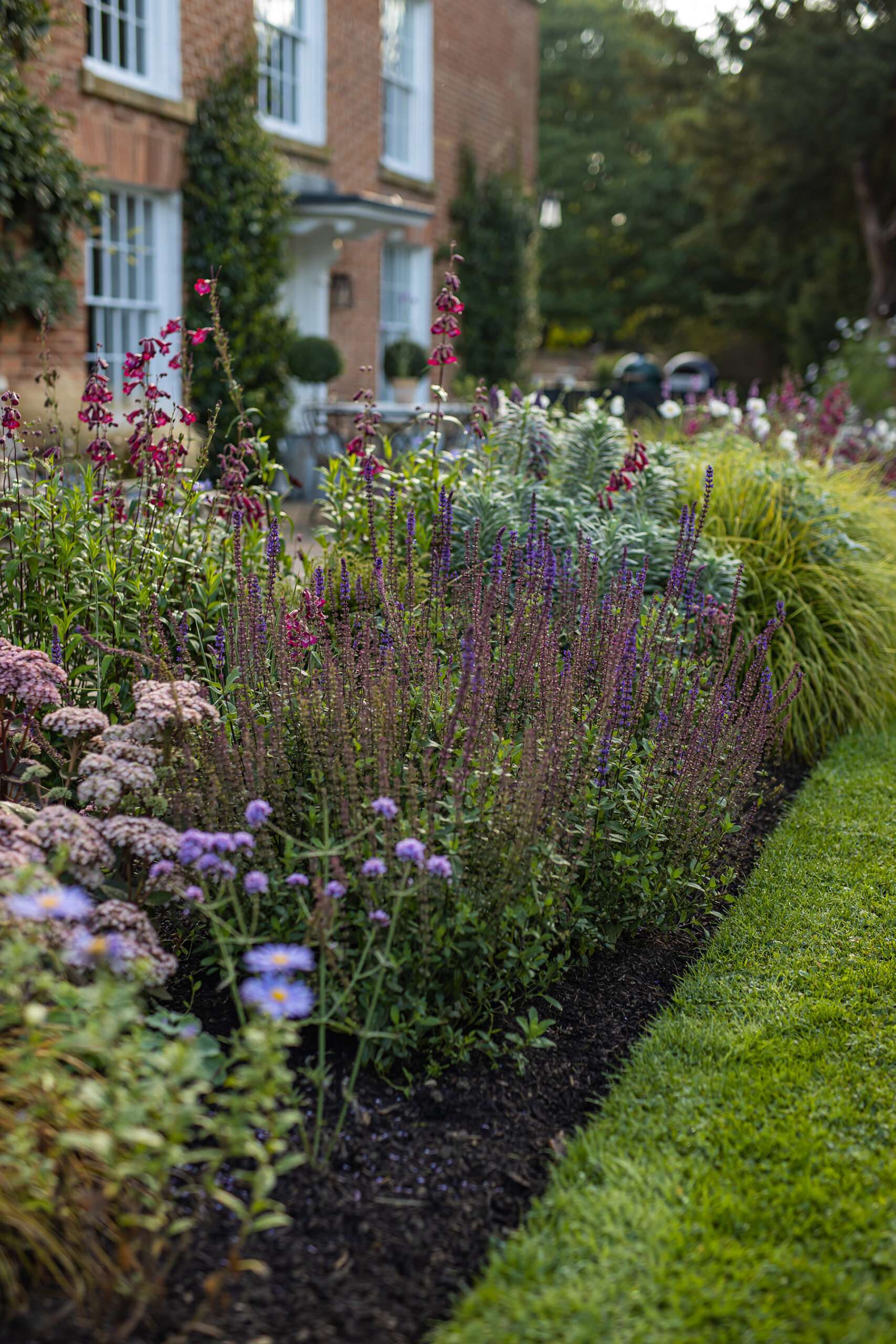
Installing a water butt is another excellent way to collect valuable rainwater for garden use. Many plants respond better to rainwater than treated tap water, particularly in areas with hard water. When planning future planting schemes, consider incorporating drought-tolerant plants, which require less irrigation and are better adapted to changing weather conditions.
2. Tidy overgrown lilacs
June is the ideal time to rejuvenate overgrown lilacs. Once flowering has finished, older plants that have become leggy or misshapen can be cut back hard to around 45cm from the ground.
Although this may seem drastic, lilacs respond well and will produce vigorous new growth, resulting in a healthier, bushier plant. As new shoots develop, remove any weak, inward-growing or crossing stems to encourage an attractive shape and good airflow.
3. Cut back Oriental poppies
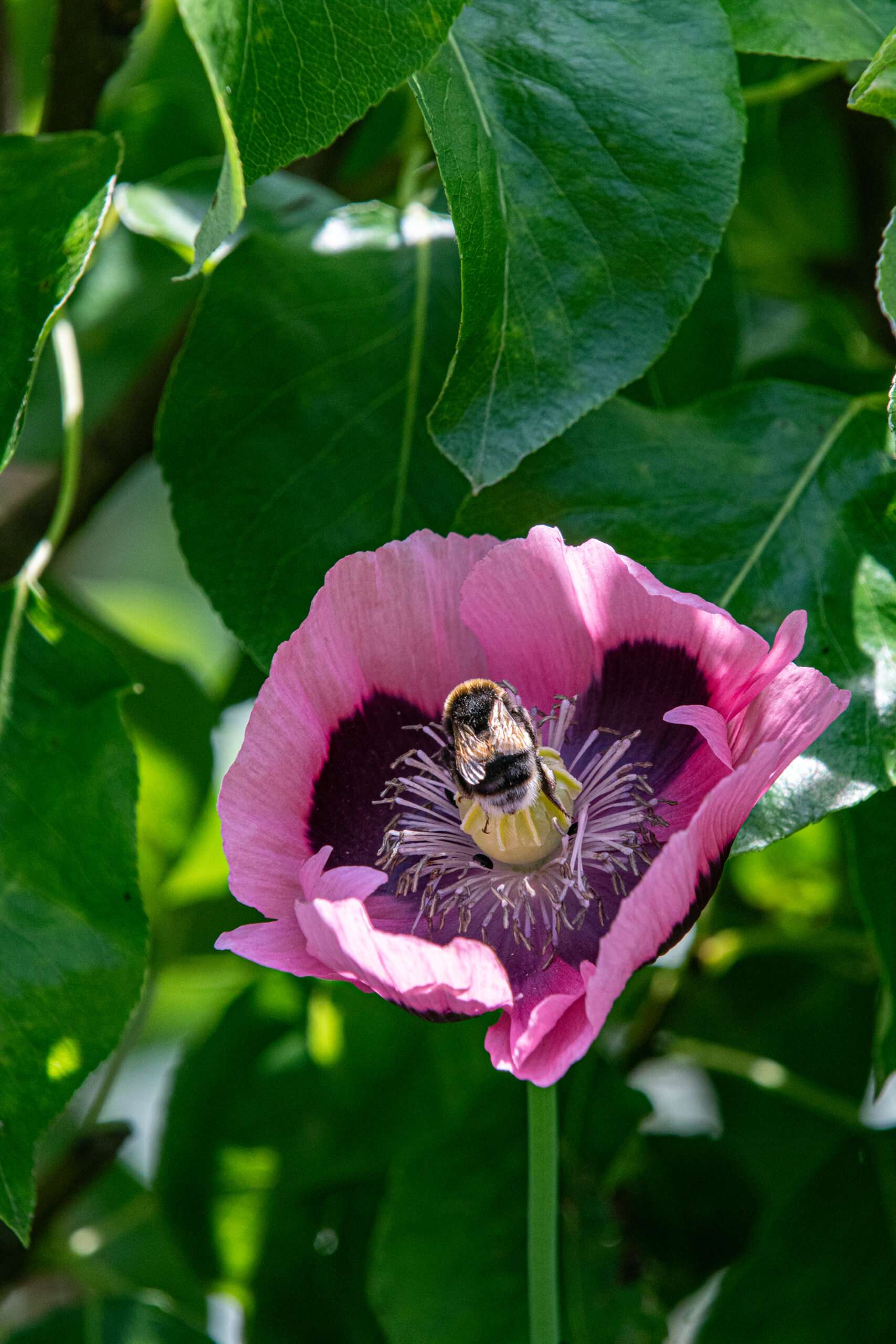
After flowering, Oriental poppies often become untidy, with foliage quickly deteriorating. This is why they are best planted towards the middle or back of borders where neighbouring plants can disguise the fading leaves.
Once flowering has finished, cut the foliage back to near ground level. Apply a feed or organic fertiliser to encourage fresh growth. In favourable conditions, plants may even produce a second flush of flowers later in the summer.
4. Protect young brassicas from birds
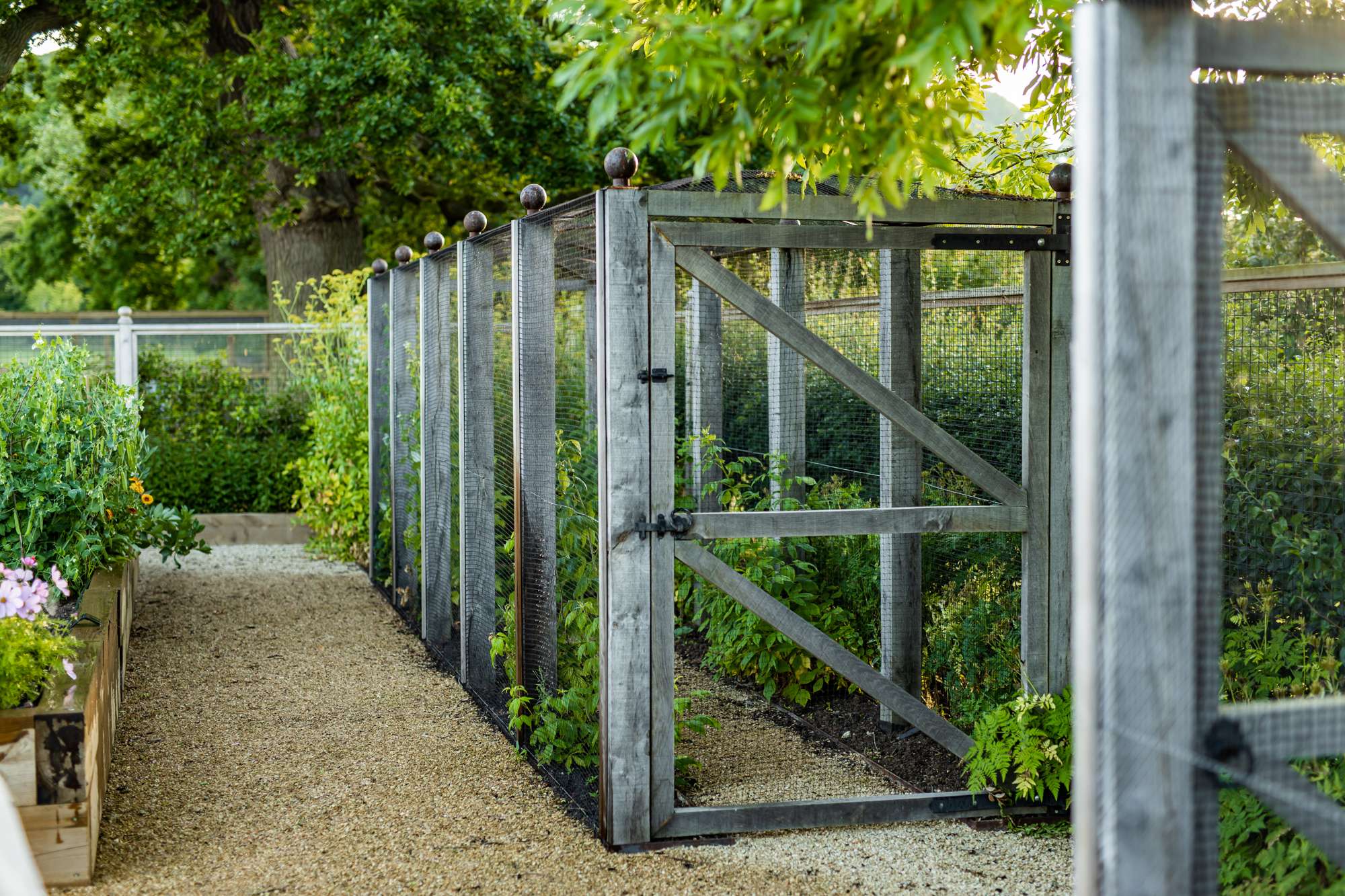
Young brassicas such as cabbage, kale and broccoli are highly attractive to garden birds. While bird scarers can offer some protection, covering crops remains the most reliable solution.
Fine mesh netting stretched securely over a simple frame or stakes will effectively protect plants. Ensure all edges are firmly anchored to prevent birds from becoming trapped beneath the netting.
5. Prune Clematis montana
If you have not already done so, June is an excellent time to prune Clematis montana after flowering.
This vigorous climber generally requires little routine pruning but can quickly overwhelm neighbouring plants if left unchecked. Thin out excessive growth and trim stems back to their allocated space to maintain control and encourage a healthy display next year.
6. Deadhead lupins and delphiniums
Removing faded flower spikes from lupins and delphiniums encourages many plants to produce a second display later in the season.
Cut flower stems down to ground level or back to strong new shoots as soon as blooms begin to fade. Regular deadheading also helps plants direct energy into new growth rather than seed production.
7. Lift and divide spring bulbs
As spring-flowering bulbs finish their growing cycle, overcrowded clumps can be lifted and divided.
Bulbs can either be dried and stored once foliage has completely died back or replanted immediately if you intend to leave them naturalised in the garden. Dividing congested bulbs improves flowering performance and allows plants time to establish before next season.
8. Tidy hellebores and collect seed
Older hellebore foliage often begins to look untidy in early summer and may show signs of leaf spot or other diseases.
Remove damaged or ageing leaves back to ground level, taking care not to disturb the healthy new growth emerging from the crown. Follow up with a balanced fertiliser and a layer of mulch to support strong growth.
June is also a good time to collect hellebore seed. Wear gloves when handling seeds as they can irritate sensitive skin. Sow fresh seed immediately in pots or trays filled with compost and place them in a sheltered, shady location. Seedlings can be potted on once they are large enough to handle.
9. Thin fruit trees after the June drop
The “June drop” is a natural process in which apple and pear trees shed excess young fruits, allowing the remaining crop to develop properly.
Avoid thinning apples and pears until this process has finished, otherwise you risk removing fruit that the tree would have retained naturally.
Plums are an exception and benefit from earlier thinning. Reducing overcrowded fruit clusters can help prevent branches from snapping under the weight of a heavy crop. Remove damaged or diseased fruit first, then thin any areas that remain congested.
10. Damp down greenhouses
On hot summer days, greenhouse plants benefit greatly from increased humidity.
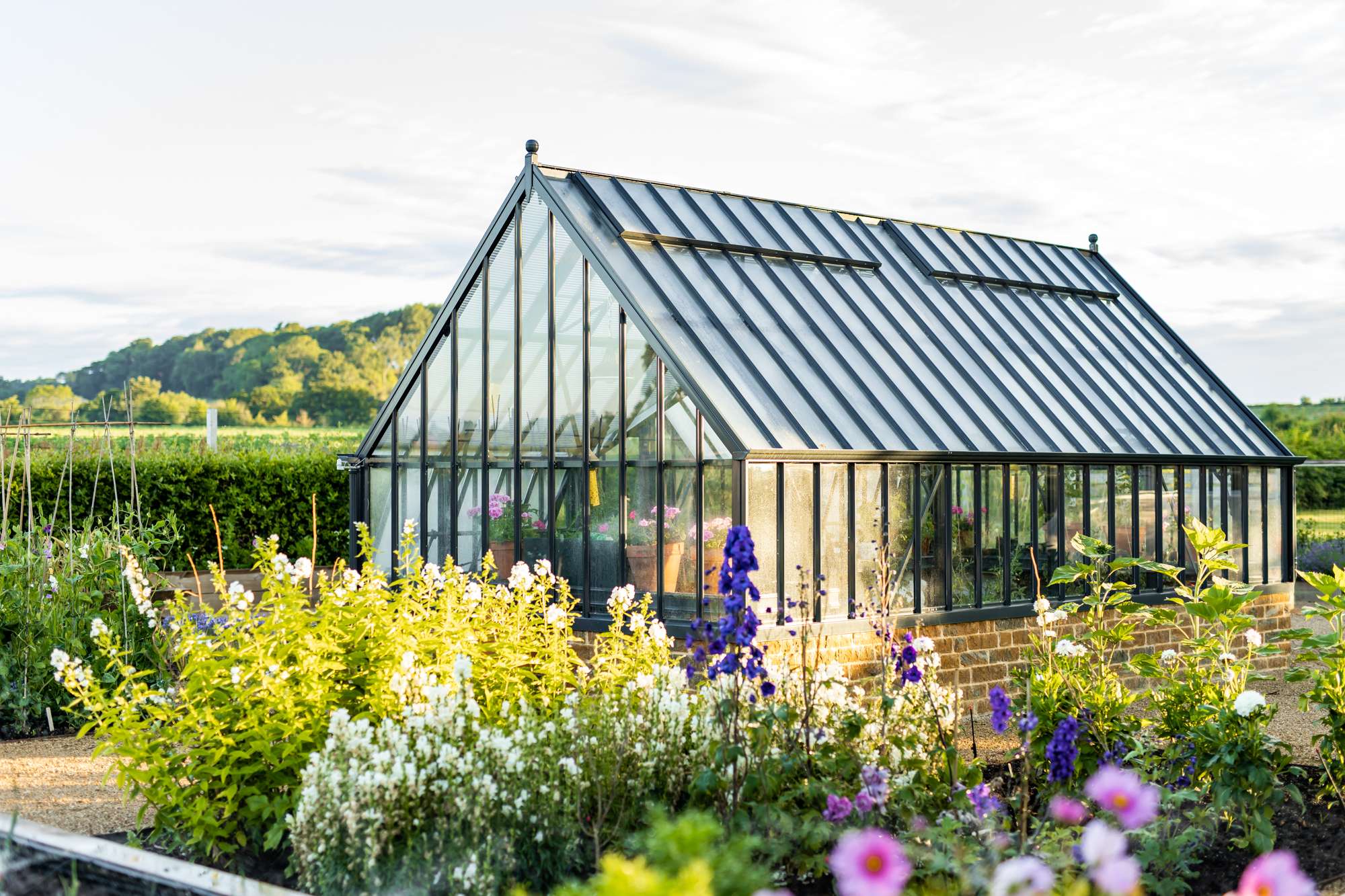
“Damping down” simply involves spraying water onto greenhouse floors, staging and surrounding surfaces. As the water evaporates, humidity rises, creating a more favourable growing environment for many plants and helping to reduce problems such as red spider mite.
For best results, briefly close vents and doors after damping down to trap humidity, then reopen them to restore airflow and prevent overheating.
June Gardening Tips
Summer has arrived and after another warm, dry spring, gardens across the UK are bursting into life. The hard work carried out during winter and spring is now paying off, with roses, alliums and herbaceous borders looking particularly impressive this year.
However, continued dry weather means watering remains one of the most important gardening tasks this month. Newly planted trees and shrubs are especially vulnerable during prolonged hot spells and will need regular attention to help them establish successfully.
While there is plenty to do in the garden during June, remember to take time to enjoy the results of your efforts. After all, this is one of the most rewarding times of the gardening year.
1. Conserve water during dry weather
With climate change bringing increasingly frequent periods of hot, dry weather, conserving water in the garden has never been more important.
To help retain moisture in the soil, apply a generous layer of organic mulch to bare ground after rainfall or watering. Mulching reduces evaporation, suppresses weeds and improves soil health over time.
Installing a water butt is another excellent way to collect valuable rainwater for garden use. Many plants respond better to rainwater than treated tap water, particularly in areas with hard water. When planning future planting schemes, consider incorporating drought-tolerant plants, which require less irrigation and are better adapted to changing weather conditions.
2. Tidy overgrown lilacs
June is the ideal time to rejuvenate overgrown lilacs. Once flowering has finished, older plants that have become leggy or misshapen can be cut back hard to around 45cm from the ground.
Although this may seem drastic, lilacs respond well and will produce vigorous new growth, resulting in a healthier, bushier plant. As new shoots develop, remove any weak, inward-growing or crossing stems to encourage an attractive shape and good airflow.
3. Cut back Oriental poppies
After flowering, Oriental poppies often become untidy, with foliage quickly deteriorating. This is why they are best planted towards the middle or back of borders where neighbouring plants can disguise the fading leaves.
Once flowering has finished, cut the foliage back to near ground level. Apply a feed or organic fertiliser to encourage fresh growth. In favourable conditions, plants may even produce a second flush of flowers later in the summer.
4. Protect young brassicas from birds
Young brassicas such as cabbage, kale and broccoli are highly attractive to garden birds. While bird scarers can offer some protection, covering crops remains the most reliable solution.
Fine mesh netting stretched securely over a simple frame or stakes will effectively protect plants. Ensure all edges are firmly anchored to prevent birds from becoming trapped beneath the netting.
5. Prune Clematis montana
If you have not already done so, June is an excellent time to prune Clematis montana after flowering.
This vigorous climber generally requires little routine pruning but can quickly overwhelm neighbouring plants if left unchecked. Thin out excessive growth and trim stems back to their allocated space to maintain control and encourage a healthy display next year.
6. Deadhead lupins and delphiniums
Removing faded flower spikes from lupins and delphiniums encourages many plants to produce a second display later in the season.
Cut flower stems down to ground level or back to strong new shoots as soon as blooms begin to fade. Regular deadheading also helps plants direct energy into new growth rather than seed production.
7. Lift and divide spring bulbs
As spring-flowering bulbs finish their growing cycle, overcrowded clumps can be lifted and divided.
Bulbs can either be dried and stored once foliage has completely died back or replanted immediately if you intend to leave them naturalised in the garden. Dividing congested bulbs improves flowering performance and allows plants time to establish before next season.
8. Tidy hellebores and collect seed
Older hellebore foliage often begins to look untidy in early summer and may show signs of leaf spot or other diseases.
Remove damaged or ageing leaves back to ground level, taking care not to disturb the healthy new growth emerging from the crown. Follow up with a balanced fertiliser and a layer of mulch to support strong growth.
June is also a good time to collect hellebore seed. Wear gloves when handling seeds as they can irritate sensitive skin. Sow fresh seed immediately in pots or trays filled with compost and place them in a sheltered, shady location. Seedlings can be potted on once they are large enough to handle.
9. Thin fruit trees after the June drop
The “June drop” is a natural process in which apple and pear trees shed excess young fruits, allowing the remaining crop to develop properly.
Avoid thinning apples and pears until this process has finished, otherwise you risk removing fruit that the tree would have retained naturally.
Plums are an exception and benefit from earlier thinning. Reducing overcrowded fruit clusters can help prevent branches from snapping under the weight of a heavy crop. Remove damaged or diseased fruit first, then thin any areas that remain congested.
10. Damp down greenhouses
On hot summer days, greenhouse plants benefit greatly from increased humidity.
“Damping down” simply involves spraying water onto greenhouse floors, staging and surrounding surfaces. As the water evaporates, humidity rises, creating a more favourable growing environment for many plants and helping to reduce problems such as red spider mite.
For best results, briefly close vents and doors after damping down to trap humidity, then reopen them to restore airflow and prevent overheating.
Contact our Garden Management Team
+44 (0)1869 340342
Explore our full range of landscape services
Nicholsons offers a complete suite of landscape solutions that work seamlessly alongside our Garden Management expertise. From concept and design through to construction and long‑term care, our teams deliver beautifully crafted, sustainable outdoor spaces.

Contact our Garden Management Team
+44 (0)1869 340342
Explore our full range of landscape services
Nicholsons offers a complete suite of landscape solutions that work seamlessly alongside our Garden Management expertise. From concept and design through to construction and long‑term care, our teams deliver beautifully crafted, sustainable outdoor spaces.