
September Gardening Tips
After one of the hottest and driest summers in recent memory, September brings a welcome change to the garden. As cooler nights arrive, accompanied by autumn mists and morning dew, many plants and lawns will finally begin to recover from months of heat stress.
Although autumn rainfall will help replenish soils, it’s likely to take time for the ground to fully recover after a series of summer heatwaves. Nevertheless, September is one of the most rewarding months in the gardening calendar. Harvesting is now well underway, with apples, pears and vegetables ready to be picked and stored for the months ahead.
Autumn is also a fantastic season for planting, lawn renovation and preparing gardens for winter. The rich colours of changing foliage, combined with shorter days and softer light, showcase the beauty of the landscape at its very best.
Whether you’re maintaining an established garden or planning improvements, here are our top September gardening jobs.
1. Renovate and restore your lawn
Many lawns have suffered during the long, dry summer, leaving patches of brown, stressed grass. September is the ideal time to begin autumn lawn maintenance and encourage healthy regrowth.
Scarify your lawn
Scarification removes ‘thatch’, a layer of dead grass and organic debris that can restrict airflow, drainage and nutrient uptake. Excess thatch encourages moss and weeds while preventing healthy grass growth.
For smaller lawns, use a spring-tined rake. Larger lawns may benefit from a powered scarifier.
Aerate compacted soil
Aeration improves drainage and allows oxygen to reach the grass roots by creating small holes in the soil surface. This can be done using a garden fork or a mechanical aerator.
If your lawn has suffered from drought damage this summer, Nicholsons will be offering professional lawn regeneration packages throughout autumn to help restore its health and appearance.
2. Cut back and divide perennials
Once flowering has finished, many herbaceous perennials begin to look tired and untidy. Cutting them back can instantly refresh borders and improve the overall appearance of the garden.
September is also an excellent time to divide overcrowded perennials, provided the soil has sufficient moisture.
Plants that respond particularly well to division include:
- Sedums
- Daylilies
- Geraniums
- Asters
Some plants, such as peonies, dislike disturbance and should be left undivided wherever possible.
Lift clumps carefully with a garden fork and separate larger plants using two forks placed back-to-back. Replant divisions promptly and water thoroughly to aid establishment.
3. Plant trees and shrubs
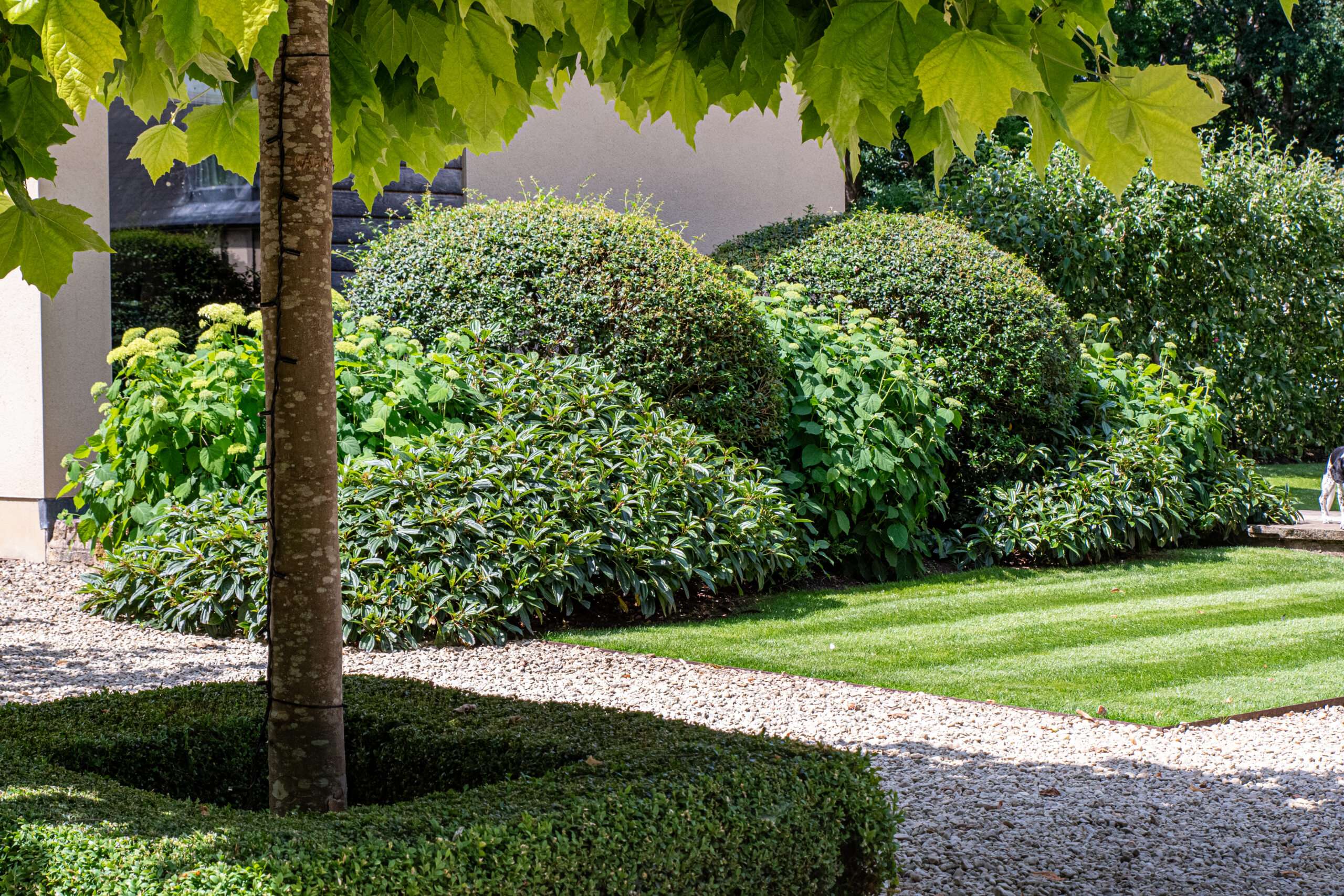
Autumn is one of the best times of year to plant container-grown trees and shrubs. Warm soil temperatures combined with increasing moisture allow roots to establish before winter arrives.
When planting:
- Dig a hole slightly larger than the root ball.
- Position the plant at the same depth as it was in the container.
- Backfill with soil and firm gently.
- Water thoroughly after planting.
- Apply mulch around the base to retain moisture.
When planting trees, ensure they are securely staked to protect against strong autumn winds and encourage straight, stable growth.

4. Plant spring-flowering bulbs
September marks the start of the spring bulb planting season.
Popular choices include:
- Daffodils
- Muscari (grape hyacinths)
- Anemone blanda
- Iris histrioides
For the most effective display, plant bulbs in generous groups of at least six to ten. Bulbs should generally be planted at a depth of approximately twice their height and spaced around twice their width apart.
Tulips are best planted later in the season, ideally during November.
5. Lift and protect tender perennials
Tender plants such as osteospermums, gazanias and pelargoniums will not tolerate prolonged frost and should be moved under cover before temperatures drop significantly.
To prepare them for winter:
- Trim back excessive growth.
- Remove yellowing leaves and spent flowers.
- Pot plants into fresh compost if required.
- Place in a cool, frost-free greenhouse, conservatory or cold frame.
Provide only enough water to prevent the compost from drying out completely.
6. Stop feeding permanent container plants
Trees, shrubs and fruit plants growing in containers should no longer receive general-purpose fertilisers.
Feeding too late in the season encourages soft, lush growth that is vulnerable to winter frost damage.
Instead, a final application of sulphate of potash or rock potash can help ripen wood growth and improve winter resilience.
7. Remove greenhouse shading
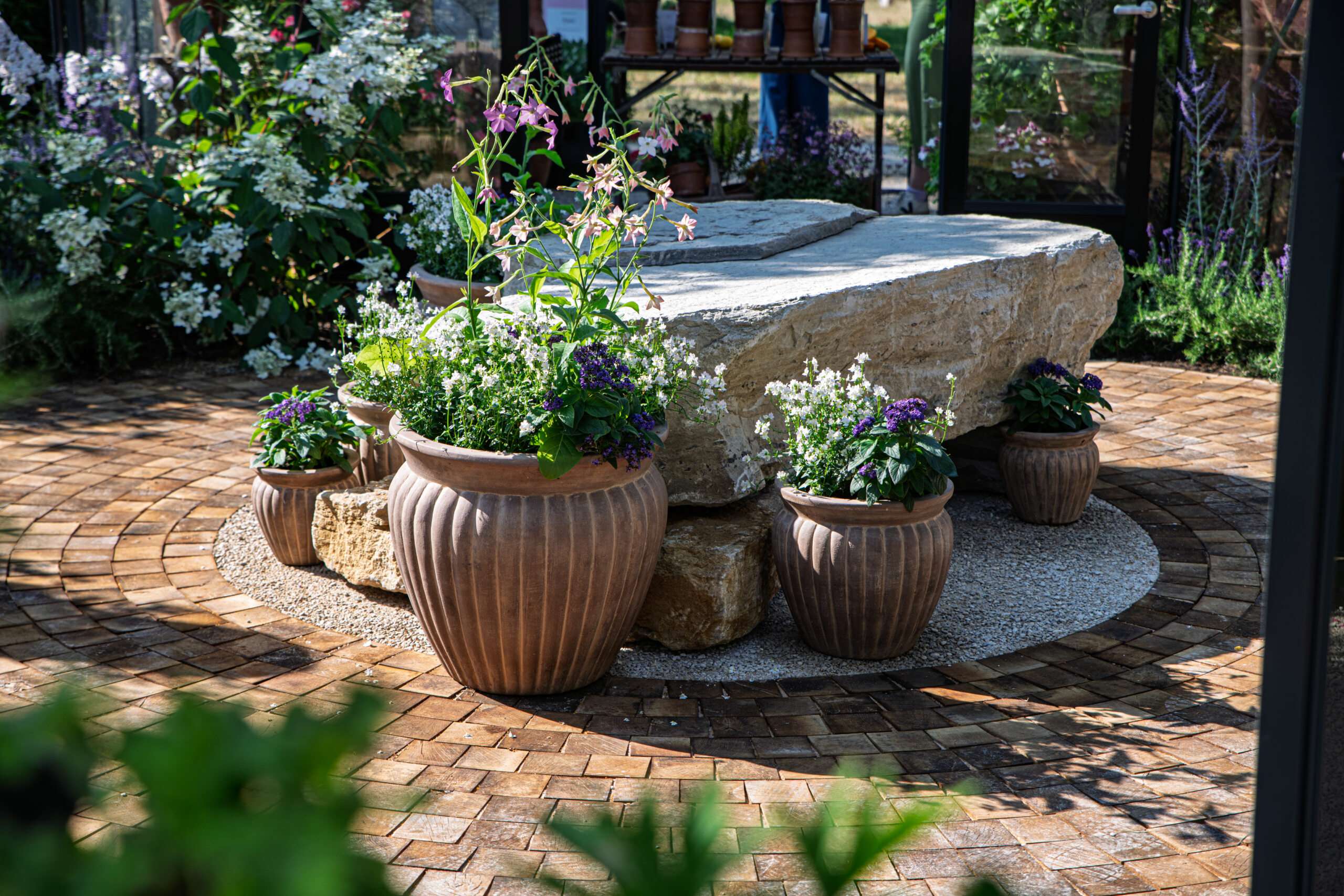
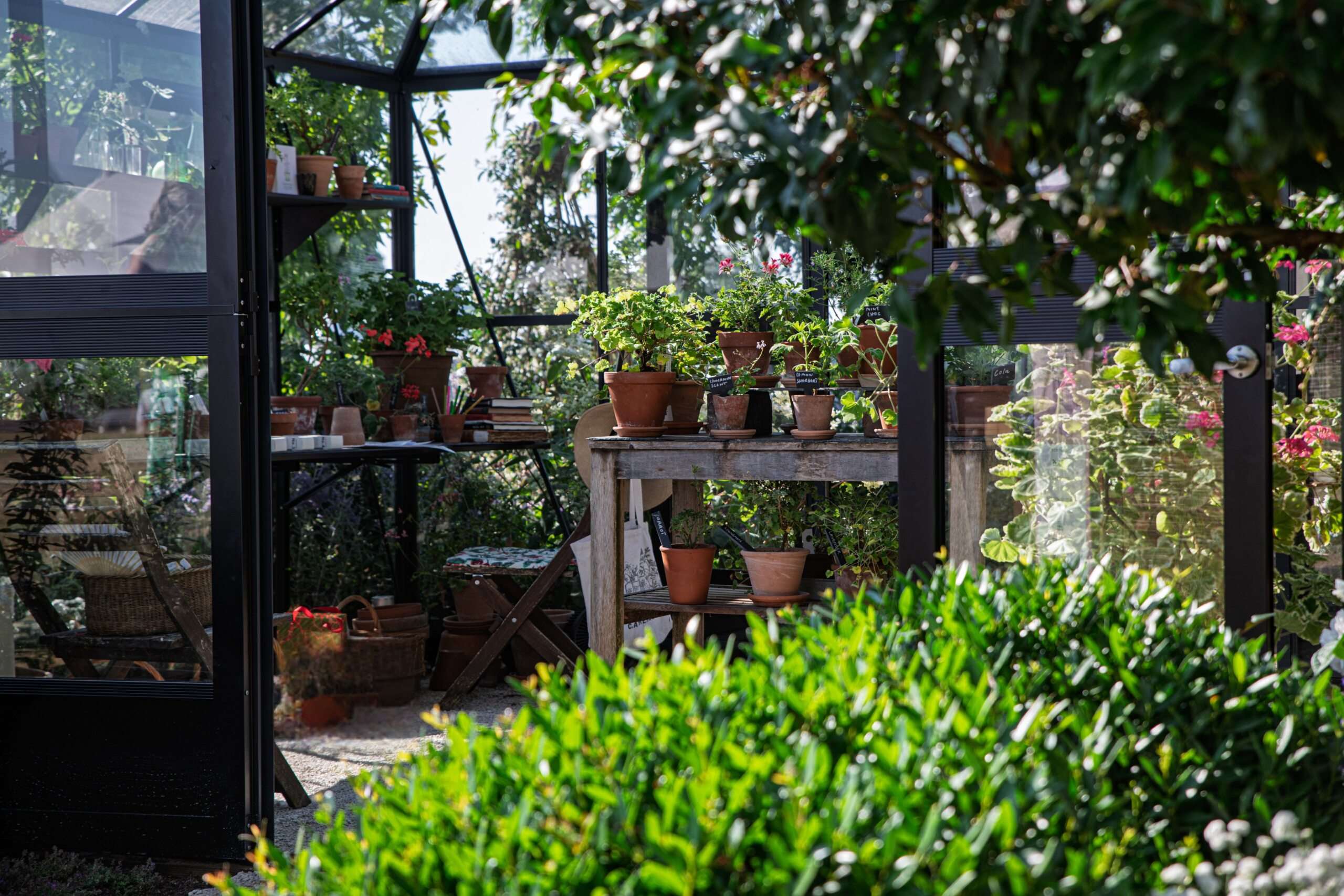
As daylight levels begin to decline, greenhouse plants will benefit from maximum light exposure.
September is the perfect time to:
- Remove shading paint from glass panels.
- Retract greenhouse blinds.
- Clean glazing to improve light transmission.
- Check for broken panes or damaged seals.
Addressing repairs now will improve energy efficiency and help retain warmth throughout winter.
8. Sow winter lettuce
For fresh salads during the colder months, sow a hardy winter lettuce variety such as ‘Winter Density’.
Sow seeds in shallow drills and protect them with cloches or fleece. Once seedlings are large enough to handle, thin them to approximately 15cm apart.
With the right conditions, leaves can be harvested from January onwards.
9. Lift and store root vegetables
September is an excellent time to begin harvesting and storing root vegetables for winter use.
Suitable crops include:
- Beetroot
- Carrots
- Parsnips
For successful storage:
- Lift roots carefully to avoid damage.
- Remove foliage, leaving a short stem.
- Store only healthy, undamaged vegetables.
- Place roots in boxes layered with dry sand or compost.
- Keep in a cool, frost-free location.
Regularly inspect stored crops and remove any showing signs of rot to prevent problems spreading.
10. Start composting autumn garden waste
Autumn generates large quantities of garden debris, making it the perfect time to start composting.
A compost bin can be purchased or built using recycled timber or wooden pallets. Position it on a well-drained, level area of soil with easy access for adding materials and removing finished compost.
Aim for a balance of approximately:
- 50% green material (grass clippings, soft plant growth and perennial foliage)
- 50% brown material (woody prunings, hedge clippings and dry leaves)
Chopping materials into smaller pieces will accelerate decomposition and produce nutrient-rich compost more efficiently.
Need help preparing your garden for autumn?
At Nicholsons, our experienced horticultural team can help with everything from lawn restoration and tree planting to seasonal garden maintenance and landscaping. If your garden has suffered during this summer’s extreme weather, we’d be delighted to help restore it ready for the months ahead.
Contact Nicholsons’ Garden Management Team today to discuss your autumn gardening requirements.
September Gardening Tips
After one of the hottest and driest summers in recent memory, September brings a welcome change to the garden. As cooler nights arrive, accompanied by autumn mists and morning dew, many plants and lawns will finally begin to recover from months of heat stress.
Although autumn rainfall will help replenish soils, it’s likely to take time for the ground to fully recover after a series of summer heatwaves. Nevertheless, September is one of the most rewarding months in the gardening calendar. Harvesting is now well underway, with apples, pears and vegetables ready to be picked and stored for the months ahead.
Autumn is also a fantastic season for planting, lawn renovation and preparing gardens for winter. The rich colours of changing foliage, combined with shorter days and softer light, showcase the beauty of the landscape at its very best.
Whether you’re maintaining an established garden or planning improvements, here are our top September gardening jobs.
1. Renovate and restore your lawn
Many lawns have suffered during the long, dry summer, leaving patches of brown, stressed grass. September is the ideal time to begin autumn lawn maintenance and encourage healthy regrowth.
Scarify your lawn
Scarification removes ‘thatch’, a layer of dead grass and organic debris that can restrict airflow, drainage and nutrient uptake. Excess thatch encourages moss and weeds while preventing healthy grass growth.
For smaller lawns, use a spring-tined rake. Larger lawns may benefit from a powered scarifier.
Aerate compacted soil
Aeration improves drainage and allows oxygen to reach the grass roots by creating small holes in the soil surface. This can be done using a garden fork or a mechanical aerator.
If your lawn has suffered from drought damage this summer, Nicholsons will be offering professional lawn regeneration packages throughout autumn to help restore its health and appearance.
2. Cut back and divide perennials
Once flowering has finished, many herbaceous perennials begin to look tired and untidy. Cutting them back can instantly refresh borders and improve the overall appearance of the garden.
September is also an excellent time to divide overcrowded perennials, provided the soil has sufficient moisture.
Plants that respond particularly well to division include:
- Sedums
- Daylilies
- Geraniums
- Asters
Some plants, such as peonies, dislike disturbance and should be left undivided wherever possible.
Lift clumps carefully with a garden fork and separate larger plants using two forks placed back-to-back. Replant divisions promptly and water thoroughly to aid establishment.
3. Plant trees and shrubs
Autumn is one of the best times of year to plant container-grown trees and shrubs. Warm soil temperatures combined with increasing moisture allow roots to establish before winter arrives.
When planting:
- Dig a hole slightly larger than the root ball.
- Position the plant at the same depth as it was in the container.
- Backfill with soil and firm gently.
- Water thoroughly after planting.
- Apply mulch around the base to retain moisture.
When planting trees, ensure they are securely staked to protect against strong autumn winds and encourage straight, stable growth.
4. Plant spring-flowering bulbs
September marks the start of the spring bulb planting season.
Popular choices include:
- Daffodils
- Muscari (grape hyacinths)
- Anemone blanda
- Iris histrioides
For the most effective display, plant bulbs in generous groups of at least six to ten. Bulbs should generally be planted at a depth of approximately twice their height and spaced around twice their width apart.
Tulips are best planted later in the season, ideally during November.
5. Lift and protect tender perennials
Tender plants such as osteospermums, gazanias and pelargoniums will not tolerate prolonged frost and should be moved under cover before temperatures drop significantly.
To prepare them for winter:
- Trim back excessive growth.
- Remove yellowing leaves and spent flowers.
- Pot plants into fresh compost if required.
- Place in a cool, frost-free greenhouse, conservatory or cold frame.
Provide only enough water to prevent the compost from drying out completely.
6. Stop feeding permanent container plants
Trees, shrubs and fruit plants growing in containers should no longer receive general-purpose fertilisers.
Feeding too late in the season encourages soft, lush growth that is vulnerable to winter frost damage.
Instead, a final application of sulphate of potash or rock potash can help ripen wood growth and improve winter resilience.
7. Remove greenhouse shading
As daylight levels begin to decline, greenhouse plants will benefit from maximum light exposure.
September is the perfect time to:
- Remove shading paint from glass panels.
- Retract greenhouse blinds.
- Clean glazing to improve light transmission.
- Check for broken panes or damaged seals.
Addressing repairs now will improve energy efficiency and help retain warmth throughout winter.
8. Sow winter lettuce
For fresh salads during the colder months, sow a hardy winter lettuce variety such as ‘Winter Density’.
Sow seeds in shallow drills and protect them with cloches or fleece. Once seedlings are large enough to handle, thin them to approximately 15cm apart.
With the right conditions, leaves can be harvested from January onwards.
9. Lift and store root vegetables
September is an excellent time to begin harvesting and storing root vegetables for winter use.
Suitable crops include:
- Beetroot
- Carrots
- Parsnips
For successful storage:
- Lift roots carefully to avoid damage.
- Remove foliage, leaving a short stem.
- Store only healthy, undamaged vegetables.
- Place roots in boxes layered with dry sand or compost.
- Keep in a cool, frost-free location.
Regularly inspect stored crops and remove any showing signs of rot to prevent problems spreading.
10. Start composting autumn garden waste
Autumn generates large quantities of garden debris, making it the perfect time to start composting.
A compost bin can be purchased or built using recycled timber or wooden pallets. Position it on a well-drained, level area of soil with easy access for adding materials and removing finished compost.
Aim for a balance of approximately:
- 50% green material (grass clippings, soft plant growth and perennial foliage)
- 50% brown material (woody prunings, hedge clippings and dry leaves)
Chopping materials into smaller pieces will accelerate decomposition and produce nutrient-rich compost more efficiently.
Need help preparing your garden for autumn?
At Nicholsons, our experienced horticultural team can help with everything from lawn restoration and tree planting to seasonal garden maintenance and landscaping. If your garden has suffered during this summer’s extreme weather, we’d be delighted to help restore it ready for the months ahead.
Contact Nicholsons’ Garden Management Team today to discuss your autumn gardening requirements.
Contact our Garden Management Team
+44 (0)1869 340342
Explore our full range of landscape services
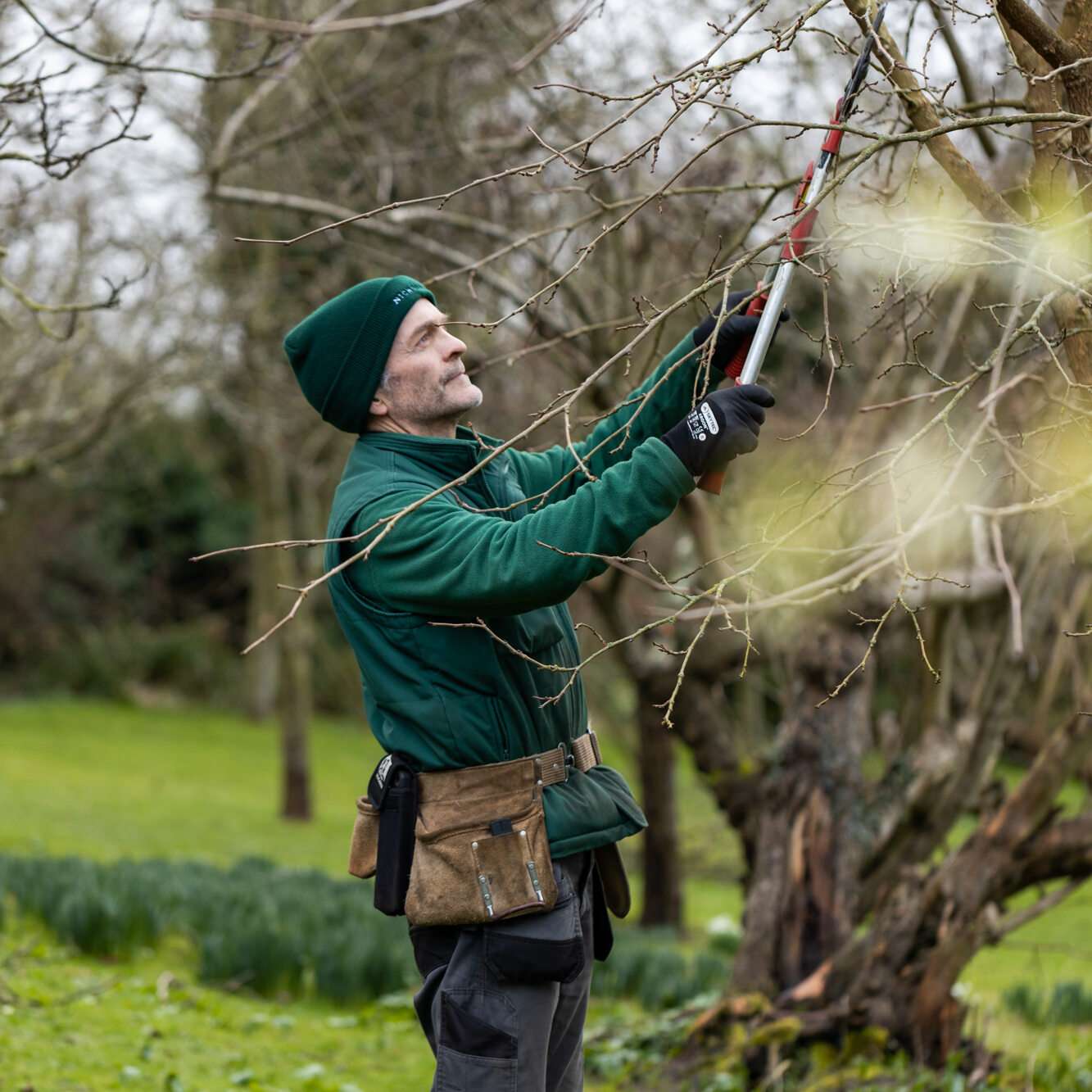
Nicholsons offers a complete suite of landscape solutions that work seamlessly alongside our Garden Management expertise. From concept and design through to construction and long‑term care, our teams deliver beautifully crafted, sustainable outdoor spaces.

Contact our Garden Management Team
+44 (0)1869 340342
Explore our full range of landscape services
Nicholsons offers a complete suite of landscape solutions that work seamlessly alongside our Garden Management expertise. From concept and design through to construction and long‑term care, our teams deliver beautifully crafted, sustainable outdoor spaces.