
August Gardening Tips
After another summer of heatwave after heatwave, many gardeners across the UK are feeling the effects of prolonged dry weather. While sunshine can reduce problems such as slugs, snails and fungal diseases, it often brings an increase in pests like aphids. Fortunately, nature usually finds a balance, with ladybird populations thriving and helping to keep aphid numbers under control.
August is also peak holiday season so if you’re planning time away, make sure your garden care arrangements are in place. Regular watering, feeding and harvesting can make all the difference to keeping your garden looking its best while you’re gone.
Here are Nicholsons’ top August gardening jobs to keep your garden healthy, productive and full of colour.
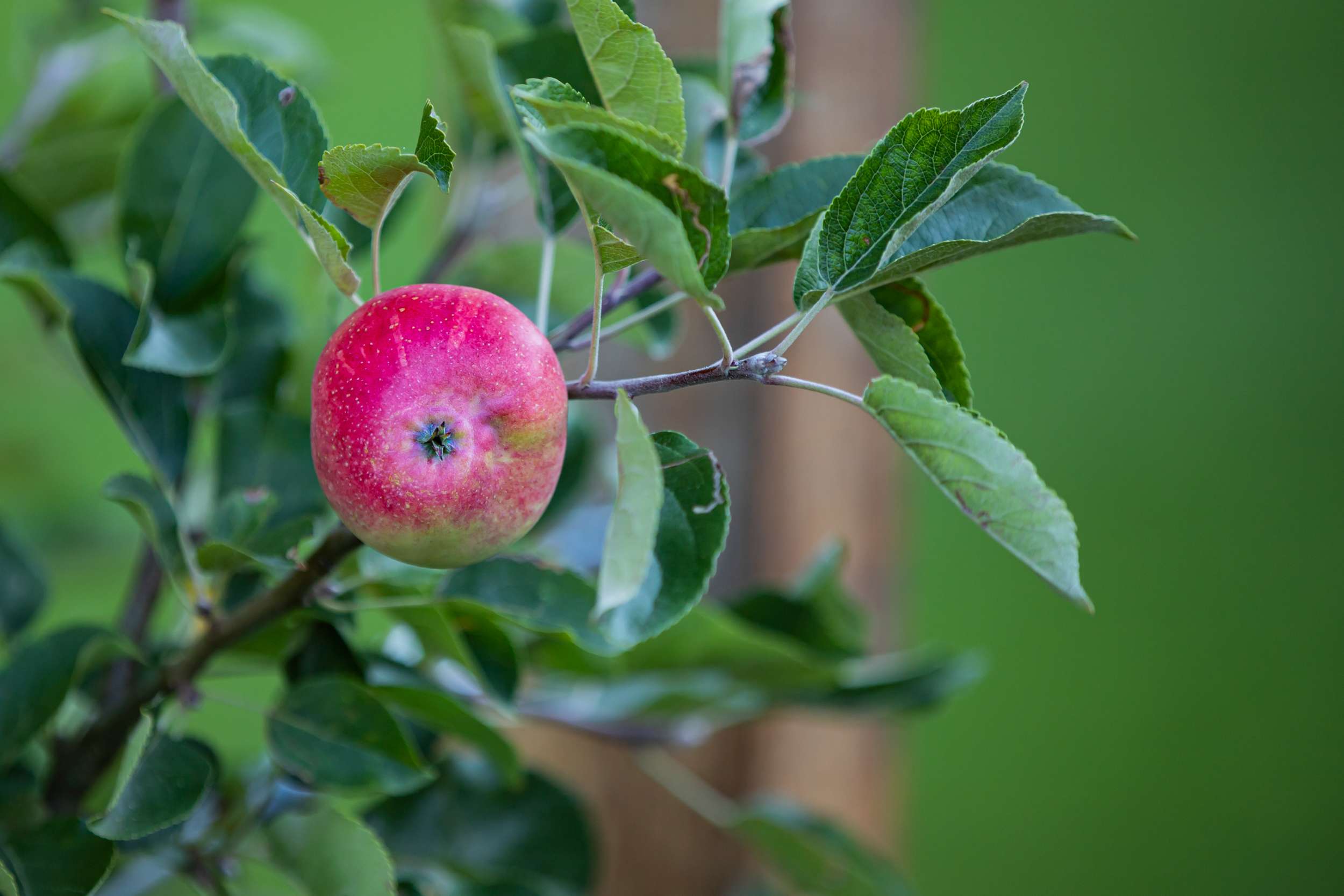
1. Harvest early apples and pears
August is the perfect time to start harvesting early apple and pear varieties.
A good sign that fruit is ready is when you notice one or two fruits naturally falling from the tree. You can also test ripeness by gently cupping the fruit in your hand and giving it a slight twist. If it is ready, it should separate easily from the branch with the stalk intact.
Top tip: Handle fruit carefully during harvesting to prevent bruising and improve storage life.
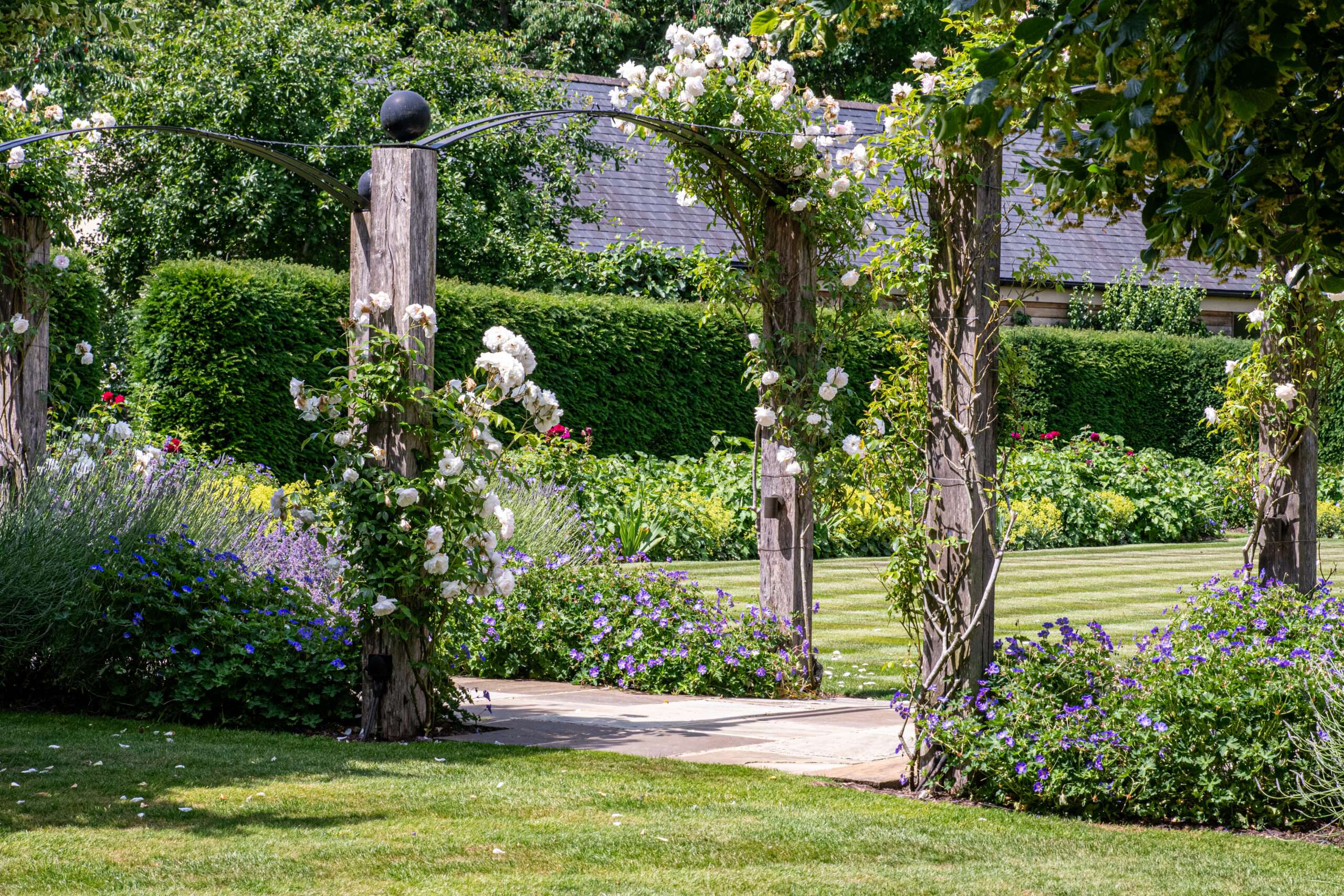
2. Prune rambling roses after flowering
Rambling roses should be pruned once flowering has finished.
These beautiful climbers bloom on stems produced the previous year so timely pruning helps encourage strong growth and abundant flowers next season.
- Cut back side shoots that have flowered to one or two buds from the main stem.
- Remove some older stems at ground level to encourage fresh replacement growth.
- Tie in vigorous new shoots to create the framework for next year’s display.
3. Harvest and store onions
When onion foliage begins to yellow and collapse, it’s time to harvest.
Choose a dry day and carefully lift onions from the soil. Leave them on the ground to dry if conditions are warm and dry. If rain is forecast, move them to a greenhouse, shed or garage with good ventilation.
Proper drying is essential if you want onions to store successfully through autumn and winter.
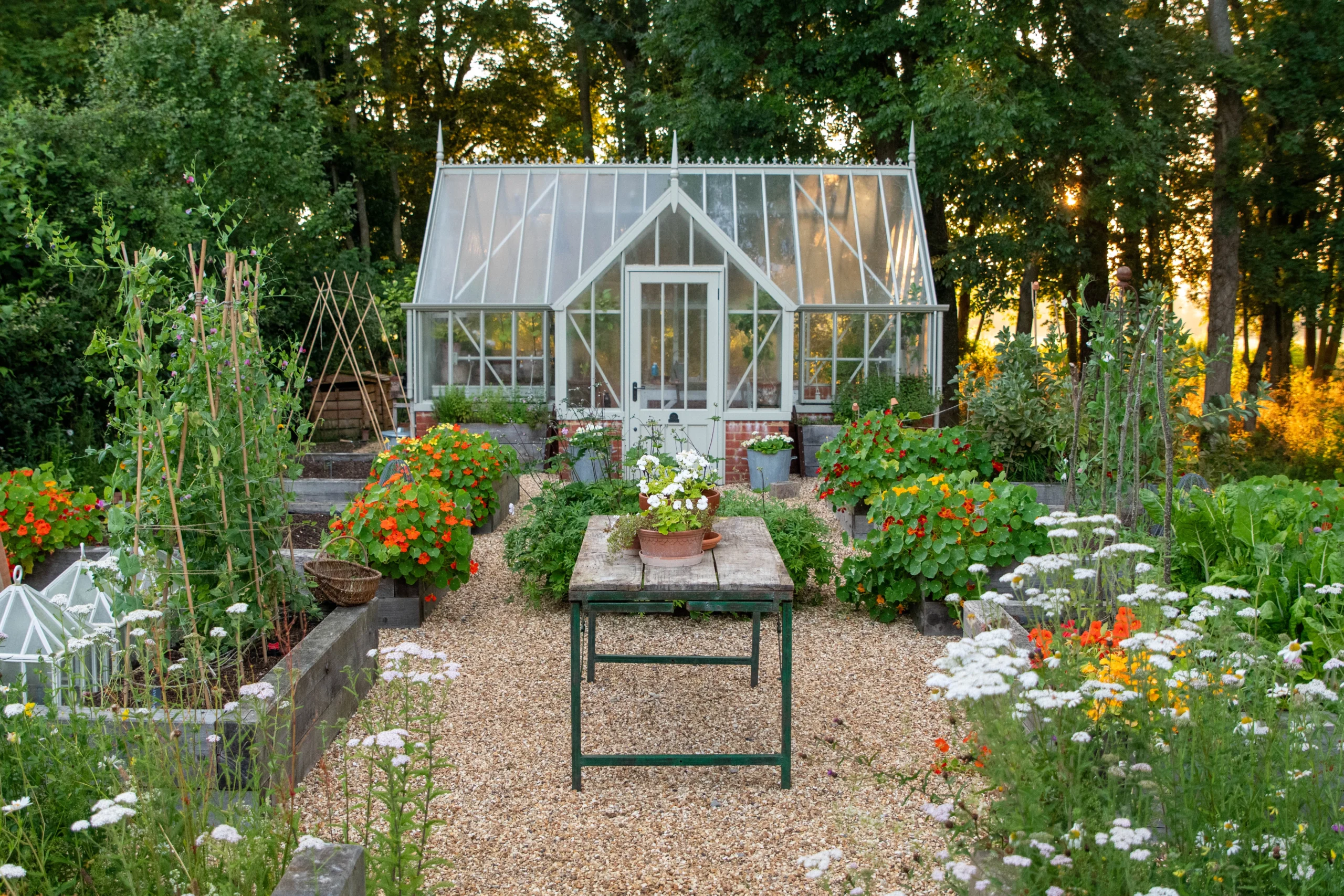
4. Keep your greenhouse in peak condition
Greenhouses can become extremely hot during August, making regular maintenance essential.
Watering the greenhouse floor, known as “damping down”, helps raise humidity levels and can reduce the risk of pests such as red spider mites.
Towards the end of the month:
- Close vents and doors in the evening if temperatures begin to drop.
- Reopen them each morning to maintain airflow.
- Remove shading where appropriate to maximise the available light as days begin to shorten.
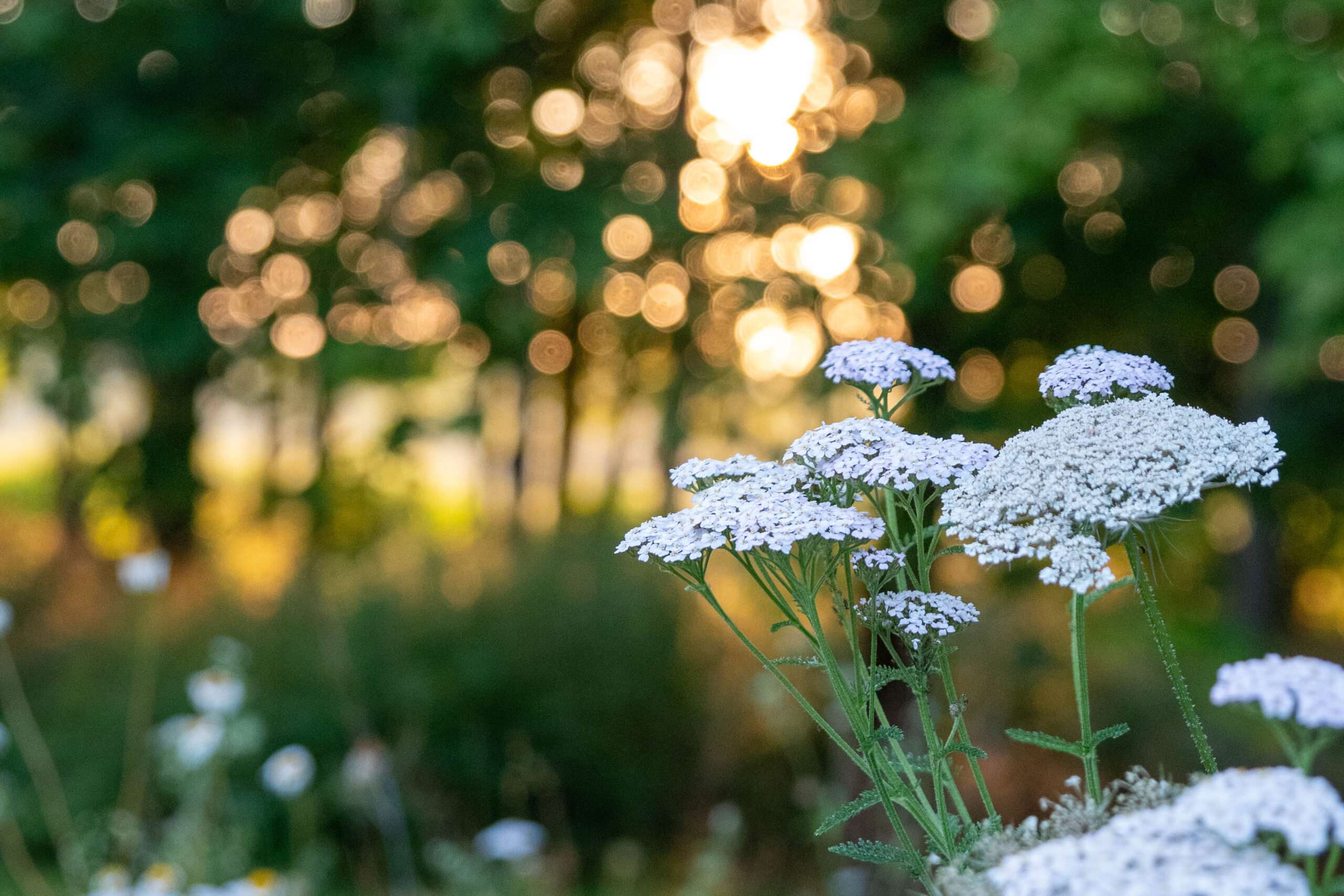
5. Cut back flopping perennials
Heavy rain or lush summer growth can cause taller perennials to collapse onto neighbouring plants.
Plants such as Achillea can be cut back after flowering to improve the overall appearance of borders and allow surrounding plants to recover.
Many perennials will produce fresh growth and, in some cases, a second flush of flowers later in the season.
6. Grow bigger marrows
If you’re aiming to grow large marrows, a few simple steps can help.
Raise developing fruits off the ground using bricks, tiles or a wooden board. This improves air circulation, reduces the risk of rot and gives the fruit better access to sunlight.
You can also remove a few older leaves to increase light levels around the fruit. Harvest marrows before the first autumn frosts arrive.
7. Cut back hardy geraniums
Hardy geraniums benefit from a late-summer tidy-up.
If you haven’t already cut them back, now is a great time. Trimming away tired foliage encourages fresh growth and can often lead to another flush of flowers in early autumn.
After cutting back:
- Water thoroughly.
- Apply a balanced feed to encourage healthy regrowth.
8. Continue watering and feeding containers
Containers, pots and hanging baskets dry out far more quickly than garden borders, especially during hot weather.
In periods of intense heat, plants may require watering more than once a day. Continue feeding weekly with a high-potash fertiliser to keep displays flowering well into autumn.
Remember: Early morning or evening watering reduces evaporation and helps plants make the most of available moisture.
9. Plant bulbs for Christmas flowers
It may seem early to think about Christmas but August is the ideal time to start preparing indoor bulbs.
Prepared hyacinths and other forcing bulbs should be planted now to encourage flowering during the festive season.
After planting:
- Place bulbs in a cool, dark location for 8 to 10 weeks.
- Check compost regularly and water if it becomes dry.
- Move containers into a warm, bright room once roots have developed to encourage flowering.
10. Raise your mower blades
If dry weather continues, lawn growth will naturally slow down.
Avoid cutting grass too short during hot periods, as this can stress the lawn and leave it vulnerable to drought damage.
Instead:
- Set your mower blades slightly higher than usual.
- Leave grass clippings on the lawn where practical.
- Allow the clippings to act as a natural mulch, helping to retain moisture and return nutrients to the soil.
August Gardening Tips
After another summer of heatwave after heatwave, many gardeners across the UK are feeling the effects of prolonged dry weather. While sunshine can reduce problems such as slugs, snails and fungal diseases, it often brings an increase in pests like aphids. Fortunately, nature usually finds a balance, with ladybird populations thriving and helping to keep aphid numbers under control.
August is also peak holiday season so if you’re planning time away, make sure your garden care arrangements are in place. Regular watering, feeding and harvesting can make all the difference to keeping your garden looking its best while you’re gone.
Here are Nicholsons’ top August gardening jobs to keep your garden healthy, productive and full of colour.
1. Harvest early apples and pears
August is the perfect time to start harvesting early apple and pear varieties.
A good sign that fruit is ready is when you notice one or two fruits naturally falling from the tree. You can also test ripeness by gently cupping the fruit in your hand and giving it a slight twist. If it is ready, it should separate easily from the branch with the stalk intact.
Top tip: Handle fruit carefully during harvesting to prevent bruising and improve storage life.
2. Prune rambling roses after flowering
Rambling roses should be pruned once flowering has finished.
These beautiful climbers bloom on stems produced the previous year so timely pruning helps encourage strong growth and abundant flowers next season.
- Cut back side shoots that have flowered to one or two buds from the main stem.
- Remove some older stems at ground level to encourage fresh replacement growth.
- Tie in vigorous new shoots to create the framework for next year’s display.
3. Harvest and store onions
When onion foliage begins to yellow and collapse, it’s time to harvest.
Choose a dry day and carefully lift onions from the soil. Leave them on the ground to dry if conditions are warm and dry. If rain is forecast, move them to a greenhouse, shed or garage with good ventilation.
Proper drying is essential if you want onions to store successfully through autumn and winter.
4. Keep your greenhouse in peak condition
Greenhouses can become extremely hot during August, making regular maintenance essential.
Watering the greenhouse floor, known as “damping down”, helps raise humidity levels and can reduce the risk of pests such as red spider mites.
Towards the end of the month:
- Close vents and doors in the evening if temperatures begin to drop.
- Reopen them each morning to maintain airflow.
- Remove shading where appropriate to maximise the available light as days begin to shorten.
5. Cut back flopping perennials
Heavy rain or lush summer growth can cause taller perennials to collapse onto neighbouring plants.
Plants such as Achillea can be cut back after flowering to improve the overall appearance of borders and allow surrounding plants to recover.
Many perennials will produce fresh growth and, in some cases, a second flush of flowers later in the season.
6. Grow bigger marrows
If you’re aiming to grow large marrows, a few simple steps can help.
Raise developing fruits off the ground using bricks, tiles or a wooden board. This improves air circulation, reduces the risk of rot and gives the fruit better access to sunlight.
You can also remove a few older leaves to increase light levels around the fruit. Harvest marrows before the first autumn frosts arrive.
7. Cut back hardy geraniums
Hardy geraniums benefit from a late-summer tidy-up.
If you haven’t already cut them back, now is a great time. Trimming away tired foliage encourages fresh growth and can often lead to another flush of flowers in early autumn.
After cutting back:
- Water thoroughly.
- Apply a balanced feed to encourage healthy regrowth.
8. Continue watering and feeding containers
Containers, pots and hanging baskets dry out far more quickly than garden borders, especially during hot weather.
In periods of intense heat, plants may require watering more than once a day. Continue feeding weekly with a high-potash fertiliser to keep displays flowering well into autumn.
Remember: Early morning or evening watering reduces evaporation and helps plants make the most of available moisture.
9. Plant bulbs for Christmas flowers
It may seem early to think about Christmas but August is the ideal time to start preparing indoor bulbs.
Prepared hyacinths and other forcing bulbs should be planted now to encourage flowering during the festive season.
After planting:
- Place bulbs in a cool, dark location for 8 to 10 weeks.
- Check compost regularly and water if it becomes dry.
- Move containers into a warm, bright room once roots have developed to encourage flowering.
10. Raise your mower blades
If dry weather continues, lawn growth will naturally slow down.
Avoid cutting grass too short during hot periods, as this can stress the lawn and leave it vulnerable to drought damage.
Instead:
- Set your mower blades slightly higher than usual.
- Leave grass clippings on the lawn where practical.
- Allow the clippings to act as a natural mulch, helping to retain moisture and return nutrients to the soil.
Contact our Garden Management Team
+44 (0)1869 340342
Explore our full range of landscape services
Nicholsons offers a complete suite of landscape solutions that work seamlessly alongside our Garden Management expertise. From concept and design through to construction and long‑term care, our teams deliver beautifully crafted, sustainable outdoor spaces.

Contact our Garden Management Team
+44 (0)1869 340342
Explore our full range of landscape services
Nicholsons offers a complete suite of landscape solutions that work seamlessly alongside our Garden Management expertise. From concept and design through to construction and long‑term care, our teams deliver beautifully crafted, sustainable outdoor spaces.