
July Gardening Tips
July is one of the most rewarding months in the garden. Borders are bursting with colour, roses are in full bloom and sweet peas are filling the air with fragrance. After months of planning, planting and nurturing, it’s satisfying to see your garden looking its very best.
But what gardening jobs should you focus on in July?
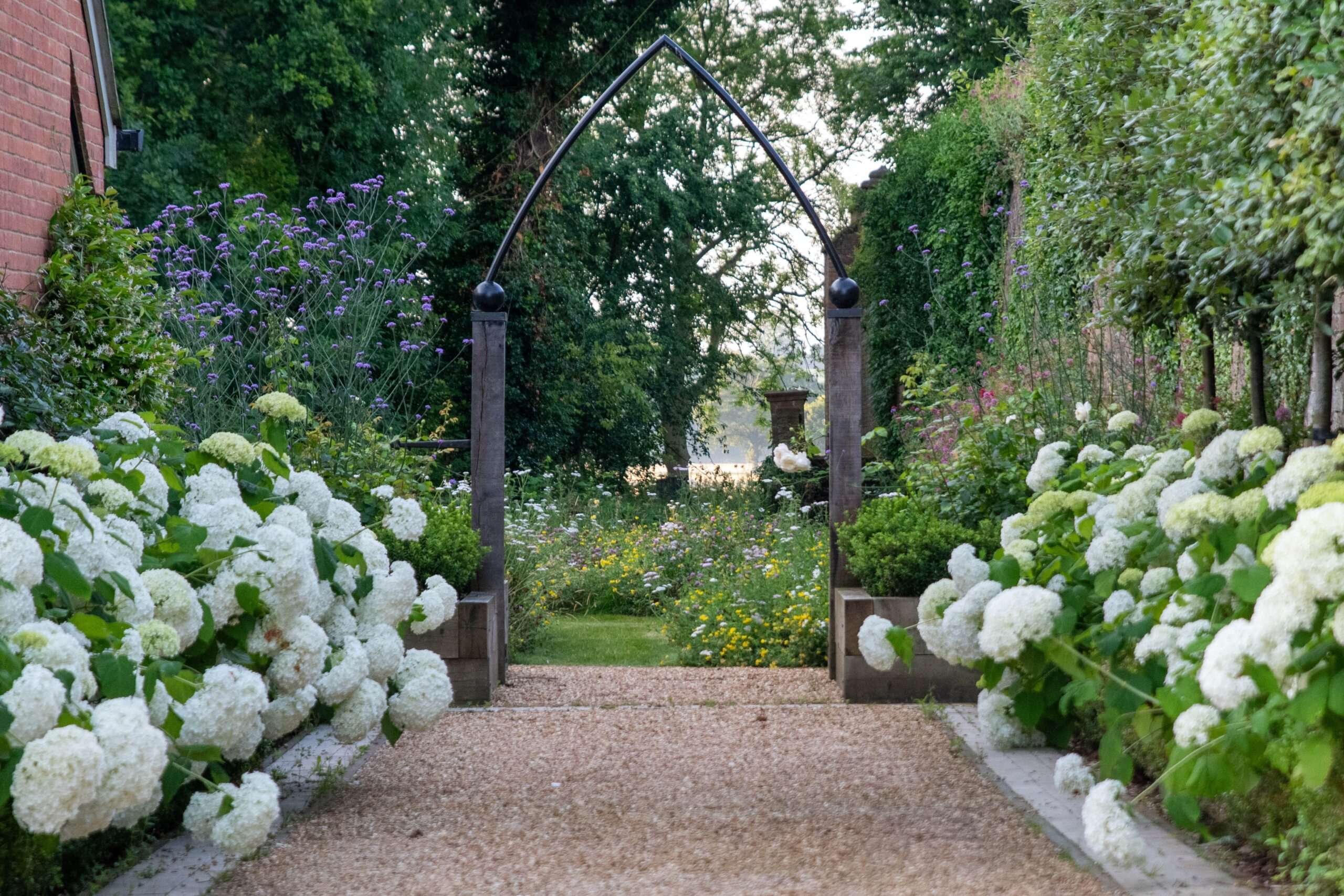
The combination of warm temperatures, longer days and occasional dry spells means regular garden maintenance is essential. Watering plants, pruning climbers, harvesting fruit and vegetables, and monitoring for pests and diseases will help keep your garden healthy and productive throughout the summer.
In this guide, our Head Gardener, Andy Bignall, shares the most important July gardening tips, including how to care for plants during hot weather, prune wisteria, take hydrangea cuttings, grow healthier tomatoes, thin fruit trees and prepare your garden before heading off on holiday.
During periods of dry weather, watering early in the morning or late in the evening helps reduce evaporation and allows plants to absorb moisture more effectively. If keeping up with watering becomes a challenge, an irrigation system can provide a reliable solution. Combined with a timer, it ensures borders, containers and vegetable gardens receive consistent watering, even when you’re away. At Nicholsons, we can advise on irrigation systems, water-saving techniques and sustainable garden maintenance solutions. Mulching borders and installing water butts are also effective ways to conserve water and support environmentally responsible gardening.
1. Prune wisteria
Can you prune wisteria in July? Absolutely. July is the ideal time to carry out a summer prune.
Cut back the long, whippy shoots produced this season so that five or six buds remain from the main framework of the plant. Summer pruning helps keep growth under control, improves air circulation and encourages better flowering in future years. A more substantial prune can then be carried out during winter.
2. Take hydrangea cuttings
July is one of the best times to take hydrangea cuttings and propagate new plants.
Choose a healthy, non-flowering shoot around 8 to 10cm long and cut just above a bud. Remove the lower leaves and cut any remaining large leaves in half to reduce moisture loss. Place the cutting into a pot filled with cutting compost, cover with a clear polythene bag and position it in a shady spot.
The cutting should develop roots in around four weeks, after which it can be potted on and grown into a new plant.
3. Divide bearded irises
If your irises have become overcrowded or are flowering less vigorously than usual, July is an excellent time to divide them.
Once flowering has finished, carefully lift the clump using a garden fork. Separate the younger rhizomes from around the outside of the clump and discard the older central growth. Trim the foliage into a fan shape, reducing it to approximately 15cm in height.
Replant the healthiest rhizomes in groups of three, five or more, ensuring they are not planted too deeply. Water thoroughly after planting to help them establish.

4. Watch for common tomato problems
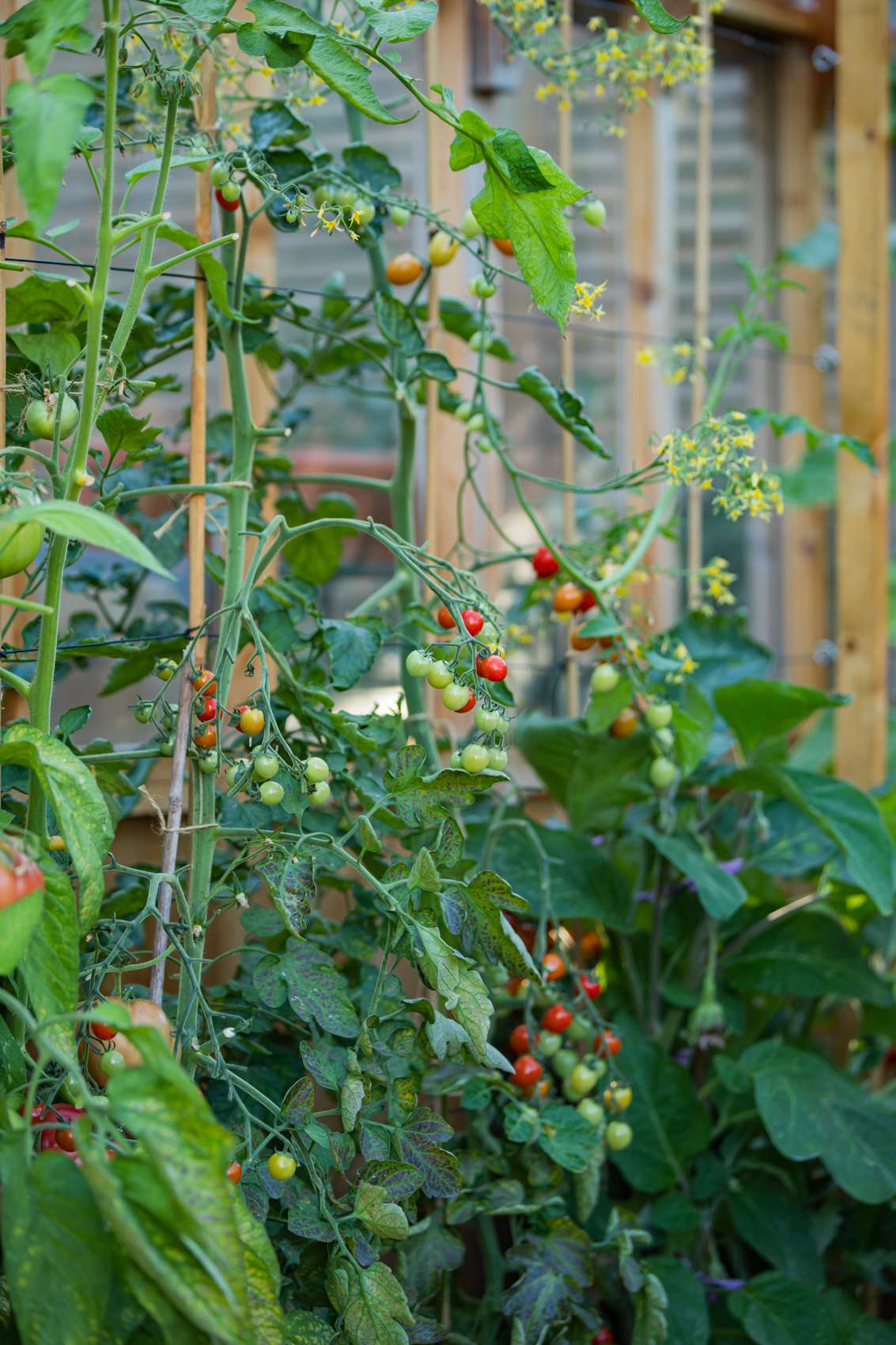
Tomatoes thrive during summer but can be susceptible to several common problems if conditions are inconsistent.
Blossom end rot is often caused by irregular watering, which prevents calcium from reaching developing fruits. Maintaining even soil moisture is the best way to prevent it.
Fruit splitting can occur after a dry period followed by heavy watering. Rapid water uptake causes the fruit to swell faster than the skin can stretch, resulting in cracks.
Ghost spot is a fungal issue that can affect tomato fruits. You can reduce the risk by watering carefully and avoiding splashing water onto developing fruits.
Regular watering and good airflow will help keep tomato plants healthy and productive.
5. Review your garden borders
One of the easiest but most valuable gardening jobs in July is simply taking time to walk around your garden and observe.
Which planting combinations are working well? Are there colour clashes? Have some plants outperformed expectations while others have struggled?
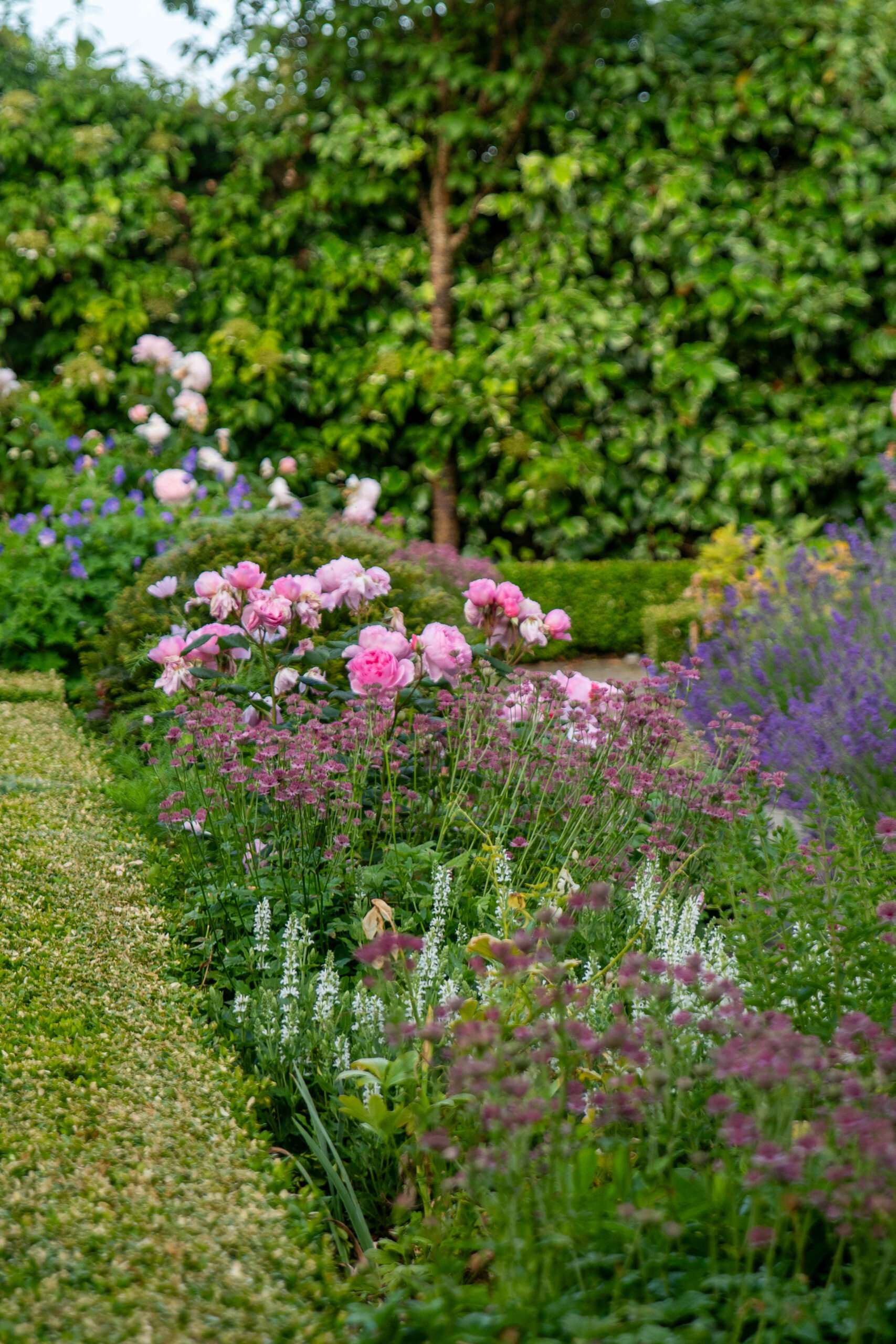
Mid-summer offers the perfect opportunity to assess your borders at their peak. Make notes of plants you may wish to move, replace or introduce and use these observations to inform autumn planting projects and future garden improvements.
6. Prune summer-fruiting raspberries
Once your summer-fruiting raspberries have finished cropping, remove the old fruiting canes by cutting them back to ground level.
Older canes are usually brown and carry the remains of fruit clusters, while this year’s new canes will be greener and more vigorous. Retain the strongest new canes and tie them securely to their supports. Remove weak or damaged growth to improve air circulation and encourage a healthy crop next year.
7. Thin apples and pears
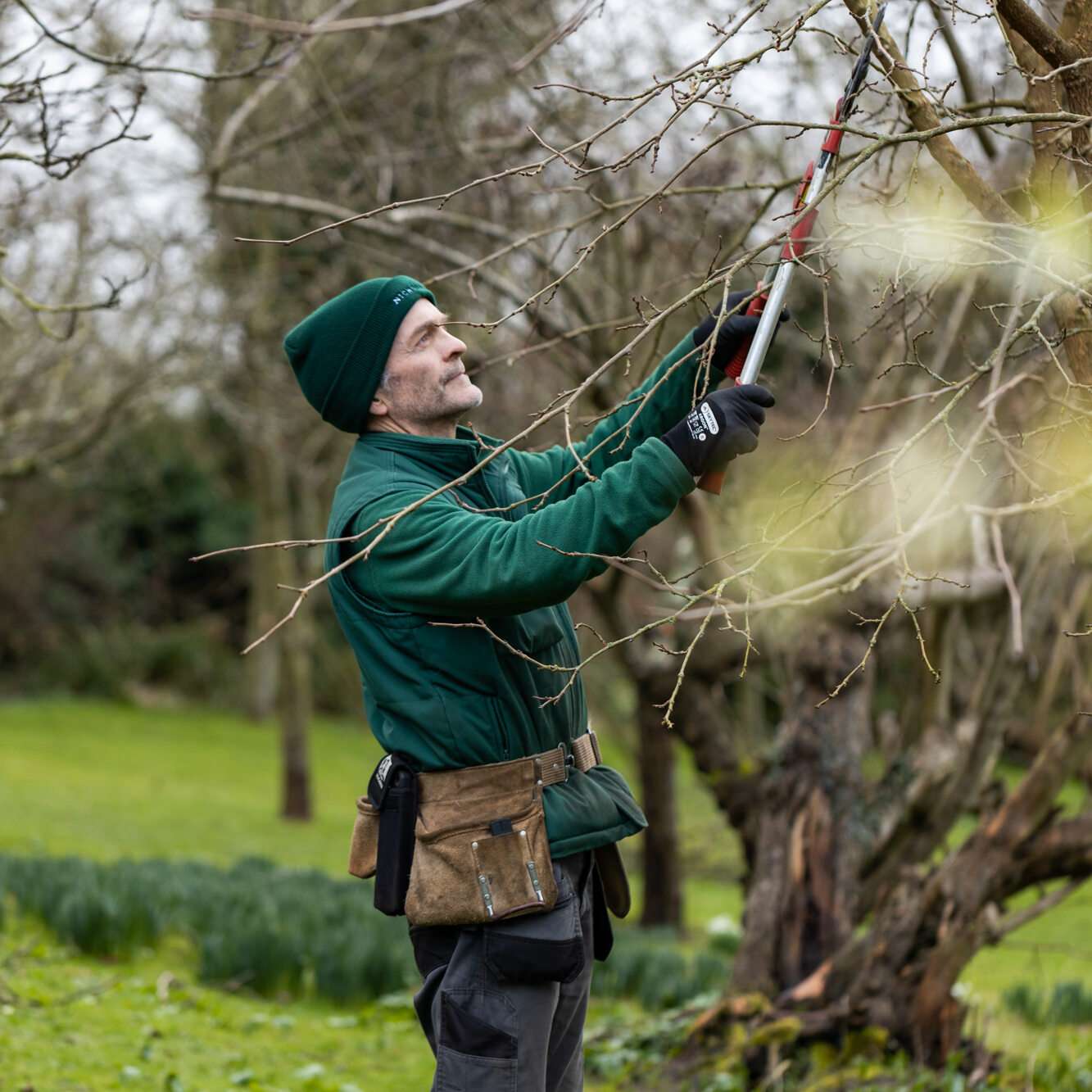
Why should you thin fruit trees in July?
Although it may feel counterproductive, removing excess fruit allows the remaining apples and pears to develop into larger, healthier fruits.
Start by removing small, damaged or diseased fruits. Then thin the remaining fruits within each cluster so they are evenly spaced. This helps prevent overcrowding, improves air circulation and reduces strain on the tree, resulting in a better-quality harvest later in the season.
8. Harvest early potatoes
Many early potato varieties are ready to harvest during July.
To check whether your crop is ready, carefully lift one plant and inspect the tubers. If most of the potatoes are still smaller than you would like, leave the remaining plants for another week or two to continue developing.
During dry periods, water potato plants deeply once a week to encourage larger tubers and maximise yields.
9. Inspect for woolly aphids
Woolly aphids appear as fluffy white patches on stems and branches, particularly on apple trees and other fruiting plants.
Their feeding activity can weaken plants and lead to distorted or swollen growth. Like many aphids, they can also contribute to the spread of plant diseases.
At Nicholsons, we favour environmentally responsible gardening methods. A simple spray of soapy water is often highly effective at controlling aphid populations without harming beneficial insects such as ladybirds, lacewings and pollinators.
10. Prepare your garden for the summer holidays
How can you keep your garden healthy while you’re away?
July is a popular time for holidays so it’s worth preparing in advance to prevent returning to overgrown borders or drought-stressed plants.
Ask a friend, family member or neighbour to help with essential maintenance, including:
- Watering containers and borders
- Mowing the lawn
- Feeding plants
- Harvesting vegetables such as beans and courgettes
- Picking flowers for the house
Regular harvesting encourages many crops and flowering plants to continue producing right through to autumn.
July Gardening Tips
July is one of the most rewarding months in the garden. Borders are bursting with colour, roses are in full bloom and sweet peas are filling the air with fragrance. After months of planning, planting and nurturing, it’s satisfying to see your garden looking its very best.
But what gardening jobs should you focus on in July?
The combination of warm temperatures, longer days and occasional dry spells means regular garden maintenance is essential. Watering plants, pruning climbers, harvesting fruit and vegetables, and monitoring for pests and diseases will help keep your garden healthy and productive throughout the summer.
In this guide, our Head Gardener, Andy Bignall, shares the most important July gardening tips, including how to care for plants during hot weather, prune wisteria, take hydrangea cuttings, grow healthier tomatoes, thin fruit trees and prepare your garden before heading off on holiday.
During periods of dry weather, watering early in the morning or late in the evening helps reduce evaporation and allows plants to absorb moisture more effectively. If keeping up with watering becomes a challenge, an irrigation system can provide a reliable solution. Combined with a timer, it ensures borders, containers and vegetable gardens receive consistent watering, even when you’re away. At Nicholsons, we can advise on irrigation systems, water-saving techniques and sustainable garden maintenance solutions. Mulching borders and installing water butts are also effective ways to conserve water and support environmentally responsible gardening.
1. Prune wisteria
Can you prune wisteria in July? Absolutely. July is the ideal time to carry out a summer prune.
Cut back the long, whippy shoots produced this season so that five or six buds remain from the main framework of the plant. Summer pruning helps keep growth under control, improves air circulation and encourages better flowering in future years. A more substantial prune can then be carried out during winter.
2. Take hydrangea cuttings
July is one of the best times to take hydrangea cuttings and propagate new plants.
Choose a healthy, non-flowering shoot around 8 to 10cm long and cut just above a bud. Remove the lower leaves and cut any remaining large leaves in half to reduce moisture loss. Place the cutting into a pot filled with cutting compost, cover with a clear polythene bag and position it in a shady spot.
The cutting should develop roots in around four weeks, after which it can be potted on and grown into a new plant.
3. Divide bearded irises
If your irises have become overcrowded or are flowering less vigorously than usual, July is an excellent time to divide them.
Once flowering has finished, carefully lift the clump using a garden fork. Separate the younger rhizomes from around the outside of the clump and discard the older central growth. Trim the foliage into a fan shape, reducing it to approximately 15cm in height.
Replant the healthiest rhizomes in groups of three, five or more, ensuring they are not planted too deeply. Water thoroughly after planting to help them establish.
4. Watch for common tomato problems
Tomatoes thrive during summer but can be susceptible to several common problems if conditions are inconsistent.
Blossom end rot is often caused by irregular watering, which prevents calcium from reaching developing fruits. Maintaining even soil moisture is the best way to prevent it.
Fruit splitting can occur after a dry period followed by heavy watering. Rapid water uptake causes the fruit to swell faster than the skin can stretch, resulting in cracks.
Ghost spot is a fungal issue that can affect tomato fruits. You can reduce the risk by watering carefully and avoiding splashing water onto developing fruits.
Regular watering and good airflow will help keep tomato plants healthy and productive.
5. Review your garden borders
One of the easiest but most valuable gardening jobs in July is simply taking time to walk around your garden and observe.
Which planting combinations are working well? Are there colour clashes? Have some plants outperformed expectations while others have struggled?
Mid-summer offers the perfect opportunity to assess your borders at their peak. Make notes of plants you may wish to move, replace or introduce and use these observations to inform autumn planting projects and future garden improvements.
6. Prune summer-fruiting raspberries
Once your summer-fruiting raspberries have finished cropping, remove the old fruiting canes by cutting them back to ground level.
Older canes are usually brown and carry the remains of fruit clusters, while this year’s new canes will be greener and more vigorous. Retain the strongest new canes and tie them securely to their supports. Remove weak or damaged growth to improve air circulation and encourage a healthy crop next year.
7. Thin apples and pears
Why should you thin fruit trees in July?
Although it may feel counterproductive, removing excess fruit allows the remaining apples and pears to develop into larger, healthier fruits.
Start by removing small, damaged or diseased fruits. Then thin the remaining fruits within each cluster so they are evenly spaced. This helps prevent overcrowding, improves air circulation and reduces strain on the tree, resulting in a better-quality harvest later in the season.
8. Harvest early potatoes
Many early potato varieties are ready to harvest during July.
To check whether your crop is ready, carefully lift one plant and inspect the tubers. If most of the potatoes are still smaller than you would like, leave the remaining plants for another week or two to continue developing.
During dry periods, water potato plants deeply once a week to encourage larger tubers and maximise yields.
9. Inspect for woolly aphids
Woolly aphids appear as fluffy white patches on stems and branches, particularly on apple trees and other fruiting plants.
Their feeding activity can weaken plants and lead to distorted or swollen growth. Like many aphids, they can also contribute to the spread of plant diseases.
At Nicholsons, we favour environmentally responsible gardening methods. A simple spray of soapy water is often highly effective at controlling aphid populations without harming beneficial insects such as ladybirds, lacewings and pollinators.
10. Prepare your garden for the summer holidays
How can you keep your garden healthy while you’re away?
July is a popular time for holidays so it’s worth preparing in advance to prevent returning to overgrown borders or drought-stressed plants.
Ask a friend, family member or neighbour to help with essential maintenance, including:
- Watering containers and borders
- Mowing the lawn
- Feeding plants
- Harvesting vegetables such as beans and courgettes
- Picking flowers for the house
Regular harvesting encourages many crops and flowering plants to continue producing right through to autumn.
Contact our Garden Management Team
+44 (0)1869 340342
Explore our full range of landscape services
Nicholsons offers a complete suite of landscape solutions that work seamlessly alongside our Garden Management expertise. From concept and design through to construction and long‑term care, our teams deliver beautifully crafted, sustainable outdoor spaces.

Contact our Garden Management Team
+44 (0)1869 340342
Explore our full range of landscape services
Nicholsons offers a complete suite of landscape solutions that work seamlessly alongside our Garden Management expertise. From concept and design through to construction and long‑term care, our teams deliver beautifully crafted, sustainable outdoor spaces.